Why Windows 11 Is Pushing Users to Consider Linux Alternatives
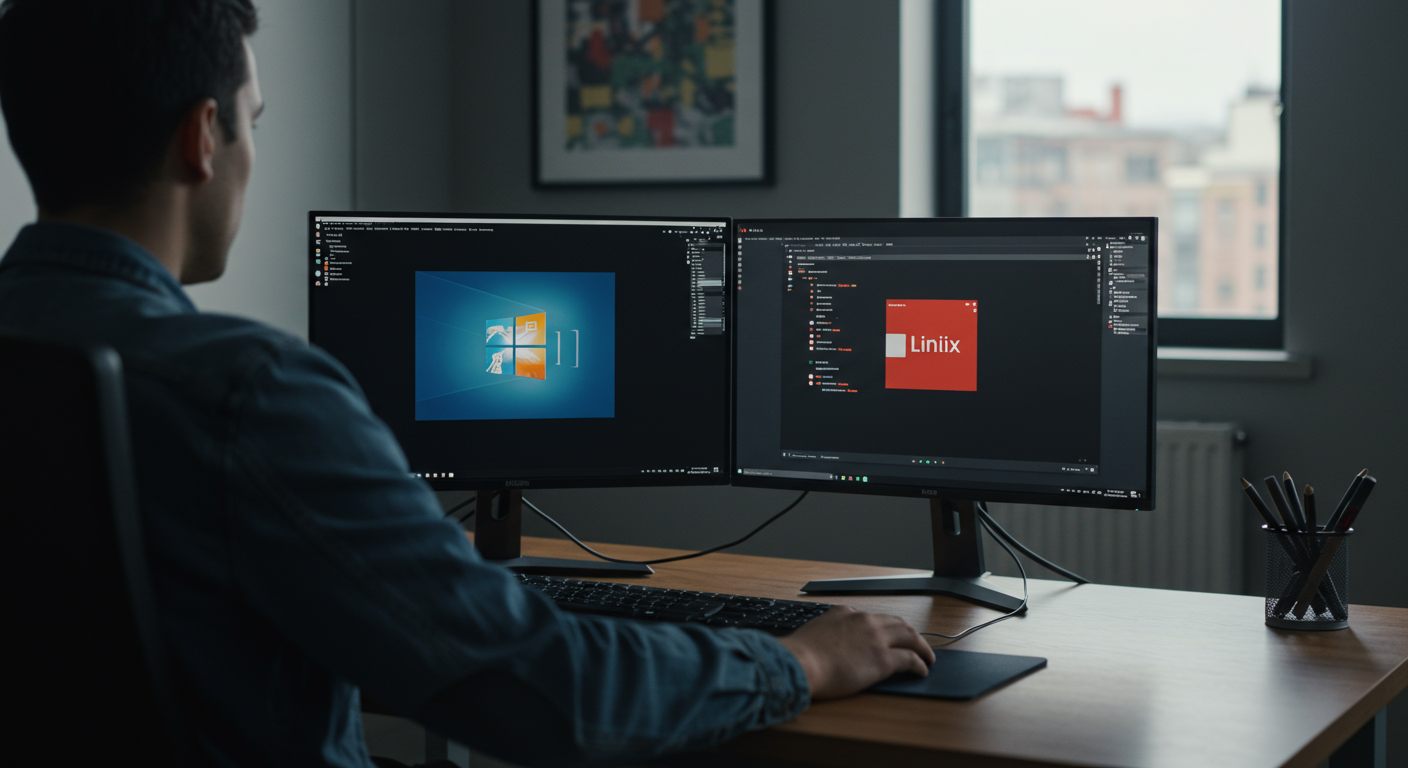
Microsoft's Windows 11 has introduced some of the most restrictive hardware requirements in the company's history, leaving millions of users with older but perfectly functional computers facing a difficult choice: upgrade their hardware, stick with an aging Windows 10, or explore alternatives. This situation has coincided with a renaissance in desktop Linux, creating a perfect storm that's driving more users than ever to consider switching to open-source operating systems.
Windows 11's Hardware Wall: When Your PC Gets Left Behind
The most controversial aspect of Windows 11 has been its stringent hardware requirements, particularly the mandatory TPM 2.0 (Trusted Platform Module) chip and support for only recent CPU generations. These requirements have effectively blocked millions of PCs from upgrading, even systems that are only a few years old and run current software perfectly well.
The TPM 2.0 requirement alone has been a significant barrier. While newer computers come with these security chips built-in, many systems manufactured before 2016-2018 lack them entirely. Even some computers that technically have TPM capability require BIOS updates or manual activation that many users find intimidating or impossible.
Beyond TPM requirements, Microsoft has restricted Windows 11 to 8th generation Intel processors and AMD Ryzen 2000 series or newer. This CPU generation cutoff affects countless systems that still perform admirably for everyday tasks like web browsing, office work, and media consumption.
Critics argue this represents artificial obsolescence, forcing hardware upgrades for security features that could theoretically be implemented through software updates. The environmental impact is substantial, potentially sending millions of functional computers to landfills simply because they can't run the latest Windows version.
Microsoft defends these requirements as necessary for enhanced security and performance, pointing to features like secure boot and hardware-based encryption. However, many users see this as prioritizing Microsoft's partnership with hardware manufacturers over customer choice and environmental responsibility.
The Linux Desktop Revolution: Not Your Father's Command Line
While Windows has been raising barriers, Linux distributions have been tearing them down. Modern Linux desktops bear little resemblance to the command-line-heavy systems that once intimidated casual users. Distributions like Ubuntu, Pop!_OS, and Linux Mint now offer installation experiences and daily usability that rival or exceed traditional operating systems.
Ubuntu has invested heavily in user experience, offering a polished desktop environment that works out of the box for most users. Pop!_OS, developed by computer manufacturer System76, provides excellent hardware support and gaming optimization. Linux Mint focuses on familiarity, offering a desktop experience that feels comfortable to Windows refugees.
Hardware compatibility, once Linux's Achilles heel, has improved dramatically. Most modern hardware works immediately upon installation, with manufacturers increasingly providing Linux drivers or the open-source community reverse-engineering support quickly. Wireless cards, graphics cards, and even specialized gaming peripherals now typically work without the driver hunting that once plagued Linux adoption.
Gaming, traditionally Linux's weakest point, has undergone a revolution thanks to Valve's Steam Deck and Proton compatibility layer. Thousands of Windows games now run on Linux with little to no performance penalty. The Steam Deck's success has proven that Linux can be a viable gaming platform, encouraging both developers and users to take Linux gaming seriously.
Professional software availability has also expanded significantly. While some industry-standard applications like Adobe Creative Suite remain Windows and Mac exclusive, alternatives have matured considerably. Additionally, the shift toward web-based applications means many professional workflows are now platform-agnostic.
Privacy and Control: Linux's Philosophical Appeal
Beyond technical capabilities, Linux offers something Windows 11 increasingly doesn't: user control and privacy. Windows 11's telemetry and data collection practices have become more extensive, with Microsoft gathering detailed information about user behavior, application usage, and system performance.
Linux distributions typically collect minimal data, if any, and users have complete transparency into what information might be shared. Most importantly, users can easily disable or modify any data collection without hidden settings or registry edits.
The freedom from forced updates represents another significant appeal. While Windows 11 pushes updates automatically, often requiring restarts at inconvenient times and occasionally introducing unwanted interface changes, Linux users maintain complete control over when and how their systems update.
This extends to interface stability. Linux users can choose desktop environments that match their preferences and workflow, knowing they won't wake up to a redesigned interface after an overnight update. The open-source nature means that even if a project changes direction, community forks can preserve preferred functionality.
Security-conscious users appreciate Linux's open-source security model, where code can be audited by anyone and vulnerabilities are typically patched quickly once discovered. This transparency contrasts with proprietary systems where users must trust that security through obscurity is actually providing protection.
Making the Switch: Practical Considerations and Trade-offs
For users considering the transition, several practical approaches can ease the learning curve. Dual-boot setups allow users to keep Windows while experimenting with Linux, providing a safety net during the transition period. Virtual machines offer another low-risk way to test Linux distributions and learn their interfaces.
Software compatibility remains the primary practical challenge. While alternatives exist for most applications, some specialized professional software or games may not have Linux equivalents. However, compatibility layers like Wine and commercial solutions like CrossOver can run many Windows applications on Linux.
The learning curve, while less steep than in previous decades, still exists. Users accustomed to Windows workflows may need time to adapt to different file managers, software installation methods, and system configuration approaches. However, extensive documentation and active community forums provide support resources that often exceed traditional commercial support.
Interestingly, many users discover performance benefits when switching to Linux, especially on older hardware. Linux distributions typically use system resources more efficiently than Windows, often breathing new life into aging computers that struggle with modern Windows versions.
The Long-term Outlook: Desktop OS Market Dynamics
Linux adoption statistics show steady growth, particularly in development and enterprise environments. While desktop market share remains small compared to Windows, the trend lines are encouraging for open-source advocates. More significantly, the quality gap between Linux and proprietary systems continues to narrow.
Microsoft appears to be taking notice, with increased investment in Linux compatibility through Windows Subsystem for Linux and closer collaboration with the Linux community on various projects. However, the company's hardware requirements for Windows 11 suggest a strategy focused on newer, higher-margin systems rather than broad compatibility.
The growing importance of cloud computing and web-based applications reduces the significance of the underlying operating system for many users. As more workflows become browser-based, the choice between Windows and Linux becomes less about software compatibility and more about user preference, privacy, and system control.
Looking ahead, the convergence of several trends suggests a more competitive desktop OS landscape. Hardware requirements are pushing users to explore alternatives just as those alternatives have become genuinely viable for mainstream use. Whether this translates to significant market share shifts remains to be seen, but the foundation for change has never been stronger.
For users frustrated with Windows 11's limitations or excited about open-source possibilities, the current Linux ecosystem offers genuine alternatives that deserve serious consideration. The days when Linux required extensive technical knowledge are largely behind us, replaced by user-friendly distributions that can meet most computing needs while offering the freedom and control that proprietary systems increasingly restrict.