Waymo’s New Ojai Robotaxi Could Change the Economics of Autonomous Fleets
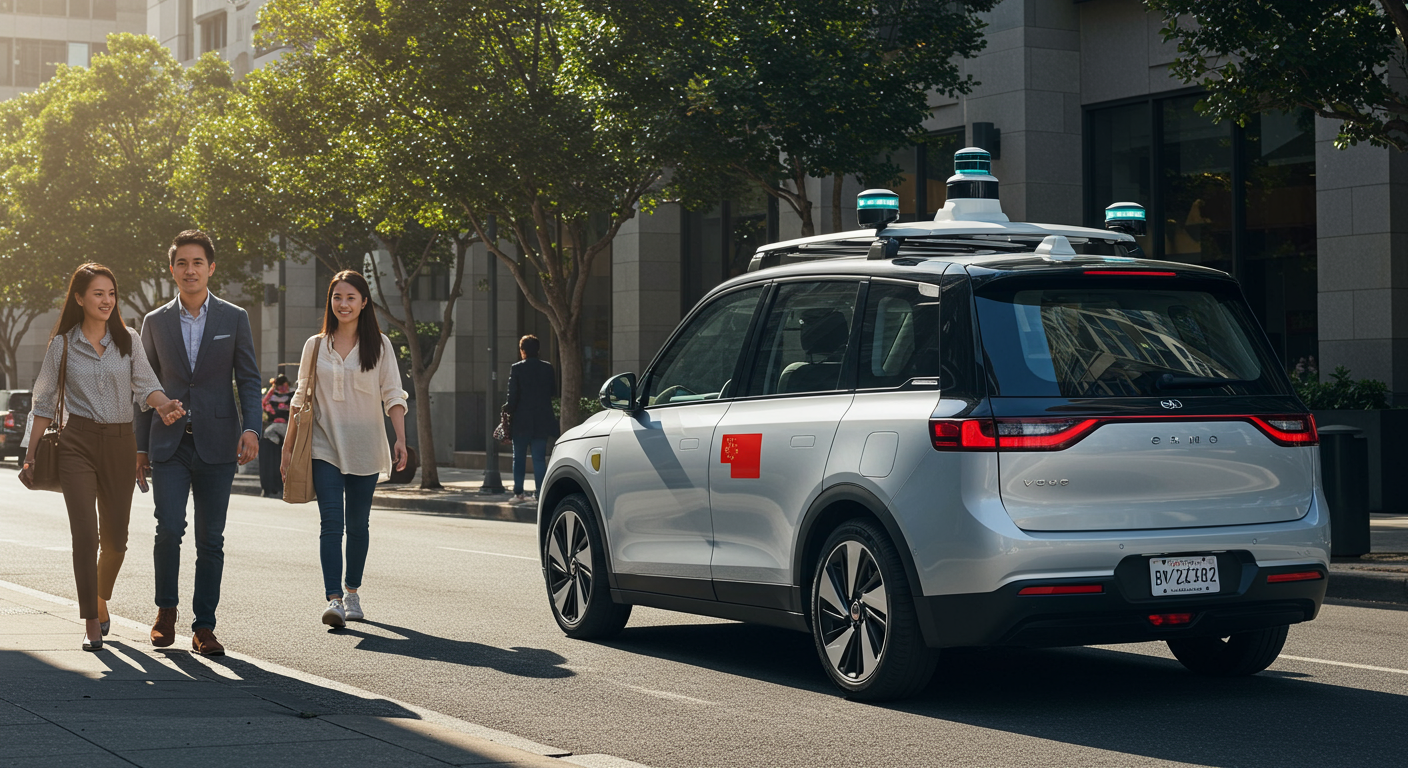
Waymo’s sixth-generation robotaxi platform, known as Ojai, is drawing attention for a practical reason rather than a flashy one: cost. Reuters reported that the estimated per-vehicle cost has dropped to about $55,000, down from roughly $150,000 for an earlier generation. If that figure holds up in large-scale deployment, it could mark one of the most important milestones yet for the robotaxi business.
That kind of reduction matters because autonomous ride-hailing has always faced a basic economic challenge. Even if the software improves and the service performs well, the business becomes much easier to scale when each vehicle is materially cheaper to deploy. Lower capital costs can improve fleet economics, shorten payback periods, and make it more realistic to add vehicles in more cities.
What changed in Waymo’s sixth-generation platform
Waymo has described its newer generation as an evolution of both the vehicle platform and the autonomous driving system built on top of it. In practice, that means the robotaxi is not simply a car with software added later. It is a more integrated package that combines Waymo’s self-driving hardware, sensors, compute systems, and operating software with a vehicle platform designed for commercial autonomous service.
Company materials from Waymo and the Waymo Blog emphasize improvements in sensor capability, compute efficiency, and overall system integration. Just as important for a commercial fleet, newer vehicle generations are typically designed with durability, maintenance, and serviceability in mind. Those details may sound less dramatic than autonomous driving breakthroughs, but they matter enormously when a company is trying to operate vehicles at scale rather than simply demonstrate the technology.
The cost story also suggests that Waymo has been able to reduce expenses not only through software maturity, but through hardware design and manufacturing choices. A robotaxi that is cheaper to build, easier to service, and better suited to fleet use can be more important commercially than one that delivers only incremental technical gains.
Who builds the vehicle
The manufacturing angle is notable, but it needs to be framed carefully. Waymo provides the autonomous driving technology stack, not the entire underlying vehicle from scratch. The Ojai robotaxi is tied to a vehicle platform built through a Chinese automaker relationship, with Reuters, company materials, and Geely information pointing to Geely as the key automaker involved.
That distinction matters. Geely is the automaker and vehicle manufacturing partner, while Waymo is the autonomous technology provider integrating its self-driving system into the platform. In other words, the finished robotaxi is the result of a partnership rather than a single company handling every layer of the product on its own.
Working with an established automaker can help speed production and reduce costs compared with developing a bespoke vehicle architecture entirely in-house. It also allows Waymo to focus more of its resources on the self-driving system, operations, and fleet deployment rather than on becoming a full-scale car manufacturer.
Why the price drop matters beyond the headline number
The reported drop from about $150,000 to $55,000 is striking on its own, but the bigger significance is what it suggests about scale. If a company needs far less capital to add each robotaxi, fleet growth becomes more achievable. That does not automatically mean robotaxi operations are profitable, but it does improve the odds that the model can work in more than a handful of markets.
There are still plenty of costs beyond the initial vehicle build. Fleet maintenance, charging or fueling logistics, insurance, remote assistance, depot operations, mapping, regulatory compliance, and customer support all shape the economics. High utilization can help offset those costs, but only if the vehicles stay on the road reliably and demand remains strong.
So the lower sticker cost should not be read as proof that autonomous ride-hailing has solved its business model. It is better understood as a meaningful improvement in one of the hardest parts of the equation.
What it says about Waymo’s strategy
Waymo’s broader strategy appears increasingly focused on commercial deployment rather than experimental showcases. A less expensive sixth-generation platform fits that direction. If the company can put more vehicles on the road for less money, expanding service areas or increasing fleet density within existing markets becomes more practical.
This also helps explain why the newest generation matters even if the public-facing service experience does not look radically different to riders. In transportation businesses, back-end economics often matter more than visible novelty. A cheaper, more scalable robotaxi platform may turn out to be a bigger competitive advantage than a highly publicized demo.
Secondary reporting from outlets such as The Verge and TechCrunch has often framed Waymo as one of the clearer leaders in U.S. robotaxi deployment, but leadership in technology does not automatically translate into leadership in cost structure. A platform that materially reduces unit cost could help close that gap between technical capability and sustainable expansion.
The China-linked manufacturing detail, without overstatement
The fact that the vehicle is built through a Chinese automaker relationship is notable in supply-chain and manufacturing terms. It says something about where Waymo believes it can find suitable vehicle platforms, production capacity, and cost efficiencies. It also reflects the global nature of modern automotive manufacturing, where technology providers and vehicle makers often operate across national boundaries.
What it does not necessarily mean is anything more dramatic than that. Without stronger sourcing, it would be a mistake to overstate geopolitical consequences or draw broader strategic conclusions beyond the reported facts. The verifiable point is simpler: Waymo supplies the autonomous technology, while a Geely-linked manufacturing arrangement helps provide the underlying vehicle platform.
For readers, the practical implication is straightforward. Waymo’s newest robotaxi appears to be substantially cheaper to build than earlier versions, and that may do more to advance the robotaxi market than another round of futuristic marketing. If autonomous fleets are going to scale, they need vehicles that are not only capable, but affordable enough to deploy in large numbers.