Unitree’s IPO Milestone Shines a Light on China’s Humanoid Robot Market
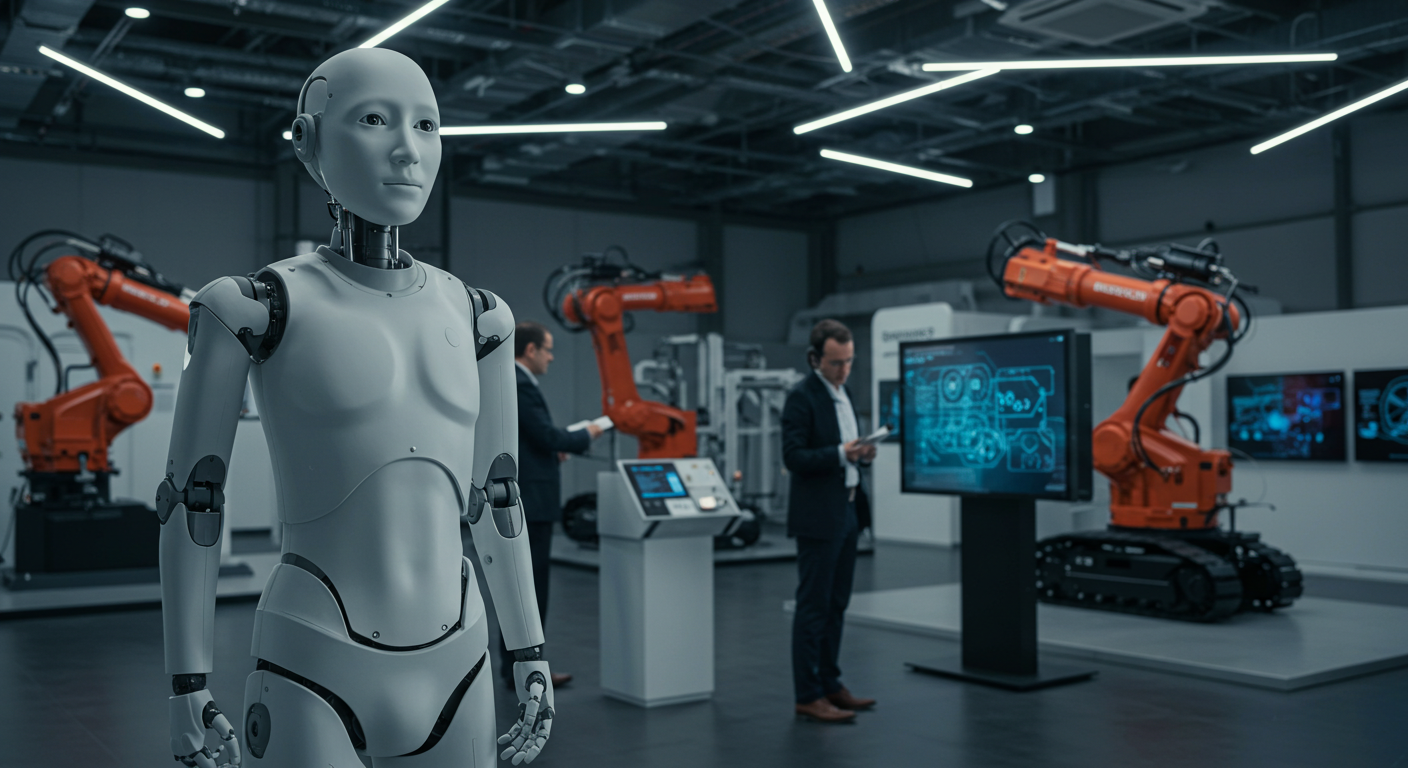
Unitree has become one of the most closely watched names in humanoid robotics after reports said it cleared a major step in China’s IPO process, alongside valuation estimates of about $6.2 billion and widely cited claims about strong 2025 robot shipments. Taken together, those developments have made the company a focal point for investor enthusiasm around embodied AI and next-generation hardware in China.
But the details matter. Headlines often compress several listing stages into a simple claim that an IPO was “approved,” even though exchange acceptance, regulatory registration, prospectus updates, and final listing clearance can mean very different things. For readers and investors, understanding exactly which milestone Unitree reached is more important than relying on shorthand.
What Unitree Says It Cleared in the IPO Process
The best place to start is the official language used in filings or exchange materials. In Chinese capital markets, a company can pass through multiple checkpoints before its shares actually begin trading. A filing may be accepted, reviewed, registered, or cleared for a later listing step, and each stage carries a different level of certainty.
That distinction matters because market coverage can turn a procedural update into a much bigger milestone than it really is. If Unitree received a formal review or registration-related green light, that is meaningful. If it already secured final approval to proceed toward listing, that is more significant still. The strongest interpretation should come from Shanghai Stock Exchange materials or company filing documents, not headline shorthand alone.
Similarly, the phrase “China’s first humanoid robot IPO” is attention-grabbing, but it should be treated as attributed framing unless official records clearly establish that status. In a fast-moving market with overlapping robotics categories, labels like “first” can depend heavily on how companies define their business.
Why the $6.2 Billion Valuation Is Drawing Attention
The reported valuation of roughly $6.2 billion has drawn attention because it suggests public-market investors may be willing to assign premium expectations to companies operating at the intersection of robotics and AI. Reporting from Reuters, Bloomberg, and other financial outlets has framed that number as a sign of rising enthusiasm for hardware platforms that could benefit from advances in machine learning, sensors, and manufacturing scale.
That figure also points to something broader than Unitree alone. Over the past two years, investors have rewarded companies tied to AI infrastructure, and humanoid robots offer a more speculative but potentially larger long-term commercialization story. A multibillion-dollar valuation implies the market is looking beyond research demos and betting on eventual real-world adoption.
At the same time, valuation should not be confused with proof of durable business performance. A high price tag can reflect optimism about future demand, strategic positioning, and scarcity value in public markets just as much as current financial strength. In robotics especially, the gap between technical promise and repeatable profits can remain wide.
The Shipment Claim Behind the Buzz
A major reason Unitree has become a focal point is the claim that it shipped roughly a third of 2025’s humanoid robots. That statistic has circulated widely, but it needs careful framing unless it is directly backed by filing materials or a named research firm using a clearly defined methodology.
The first question is scope. Does the figure refer to the China market or the global market? The second is definition. Does it count units shipped, customer orders, deployments, or robots delivered for pilot programs? In an emerging category, those distinctions can materially change how strong a market-share claim really is.
Without precise sourcing, shipment-share language is best treated as attributed reporting rather than an unqualified fact. Even so, the fact that the number has gained traction helps explain why Unitree is getting so much attention: the company is increasingly seen not just as a demo-driven robotics brand, but as a manufacturer that may be turning visibility into actual volume.
How Unitree Built Commercial Momentum
Unitree is best known for its quadruped robots, but its recent profile has been shaped by its push into humanoid platforms. That shift matters because it suggests the company is trying to move from niche robotics recognition into a broader commercial role in embodied AI, where robot form factors may eventually support industrial, research, service, and developer use cases.
Several factors may have helped build that momentum. Unitree has benefited from strong visibility in the developer and robotics community, a reputation for offering hardware at comparatively aggressive price points, and the manufacturing advantages available to companies operating within China’s hardware ecosystem. In an early market where customers are still experimenting, those factors can matter as much as pure technical sophistication.
Still, visibility and viral demonstrations are not the same as a repeatable business. The more important indicators are paying customers, deployment quality, follow-on orders, and evidence that robots are being used beyond one-off showcases. For a company moving toward public markets, those metrics matter far more than online excitement alone.
What This Means for China’s Humanoid Robot Race
Unitree’s progress offers a useful window into the broader state of China’s humanoid robotics sector. If a humanoid-focused robotics company can move meaningfully through the IPO pipeline at a multibillion-dollar valuation, that could strengthen confidence across the supply chain and draw more capital into adjacent startups, component makers, and software partners.
It could also intensify competition. A successful listing process would not just reward Unitree; it would raise expectations for rivals trying to prove they can scale production, win customers, and turn robotics research into viable products. In that sense, the IPO story is also a market signal about which robotics narratives investors currently find most compelling.
At the same time, the sector remains early. Humanoid robotics still sits somewhere between genuine industrial progress and speculative enthusiasm. Funding may be increasing, but long-term demand, sustainable margins, and mass-market use cases remain far less certain than headline valuations suggest.
What Investors and Readers Should Watch Next
The next checkpoints are concrete. Readers should watch for updated prospectus details, confirmation of the exact exchange timeline, disclosures on how proceeds would be used, and risk sections that clarify customer concentration, profitability pressures, and execution challenges. Those details will reveal more than the headline valuation alone.
Shipment claims also deserve closer scrutiny. Investors should look for definitions of what counts as a shipment, whether the company is discussing domestic or global share, and whether those figures come from internal reporting, third-party market research, or audited filing disclosures.
Most of all, revenue quality will matter more than buzz. Gross margins, repeat customers, backlog composition, and the mix between pilot projects and scaled deployments are stronger indicators of commercial durability than shipment counts in isolation.
The bottom line is that Unitree appears to have reached a meaningful capital-markets milestone at a moment when interest in humanoid robotics is accelerating. But the biggest claims around valuation, category leadership, and shipment share are most useful when read with precise sourcing and careful definitions attached.