TSMC Posts Record $35.6 Billion Quarter as AI Business Approaches One-Third of Total Revenue
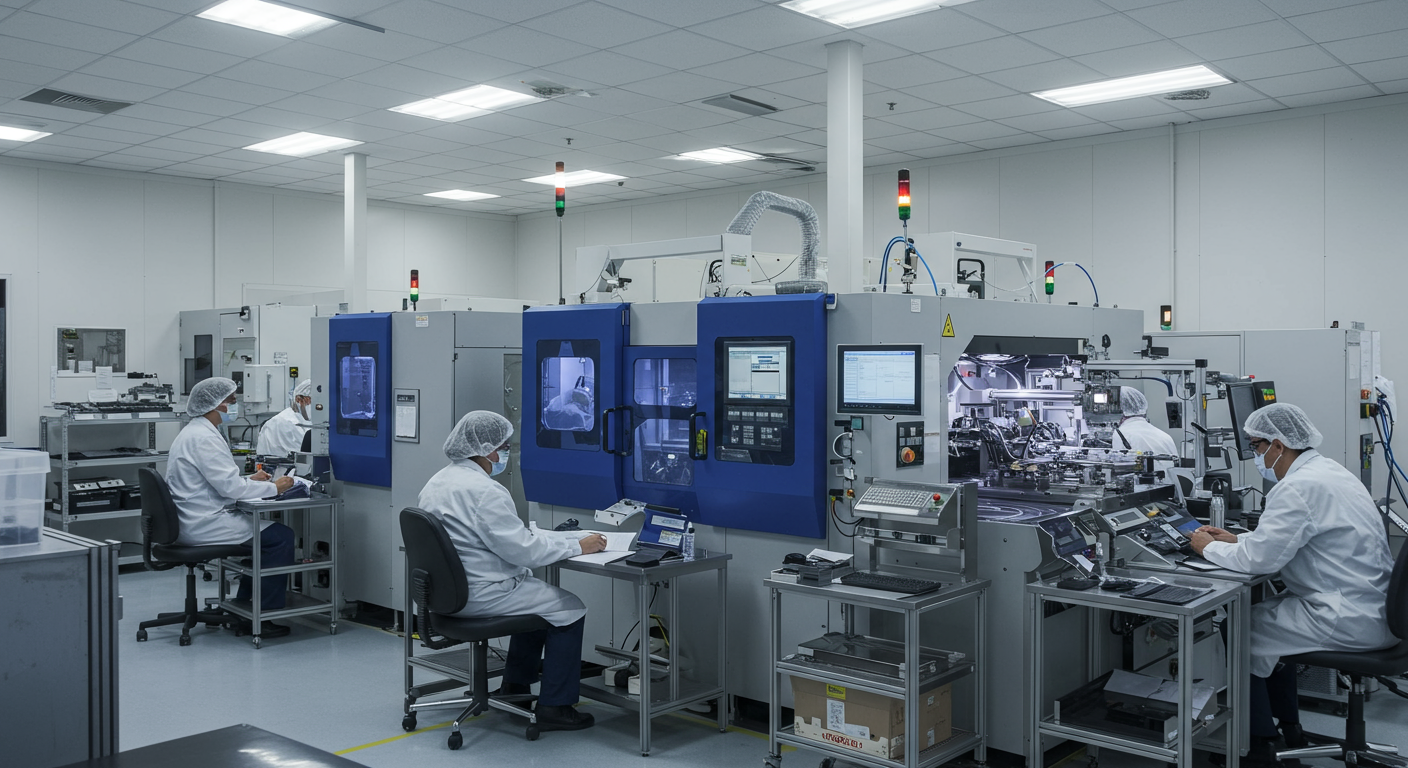
Taiwan Semiconductor Manufacturing Company has shattered its own performance records, posting an unprecedented $35.6 billion in quarterly revenue as artificial intelligence applications drive explosive demand for advanced semiconductors. The world's largest contract chipmaker now projects that AI-related business will soon account for approximately one-third of its entire revenue stream.
Record-Breaking Numbers Behind TSMC's Success
The $35.6 billion quarterly revenue represents a significant milestone for TSMC, surpassing all previous quarterly records by a substantial margin. This performance exceeded analyst expectations and demonstrated robust year-over-year growth across multiple business segments.
The results reflect TSMC's dominant position in manufacturing the world's most advanced semiconductors, which are essential for AI workloads and data center applications. Investors responded positively to the earnings announcement, recognizing the sustainable nature of AI-driven demand and TSMC's unique positioning to capitalize on this technological shift.
AI Becomes TSMC's Primary Growth Engine
The most striking aspect of TSMC's performance is the rapid growth of AI-related revenue, which is on track to represent one-third of the company's total business. This dramatic shift reflects the semiconductor industry's pivot toward supporting artificial intelligence applications.
Major technology companies including NVIDIA, Apple, and AMD are driving this demand through their advanced processor requirements. These clients need TSMC's most sophisticated manufacturing processes to produce chips capable of handling complex AI computations efficiently.
The AI segment's growth rate significantly outpaces traditional semiconductor markets, including mobile processors and consumer electronics chips that previously dominated TSMC's revenue mix. This transition represents a fundamental shift in the company's business composition.
Advanced Manufacturing: Why TSMC Dominates AI Chip Production
TSMC's technical leadership in advanced manufacturing processes positions the company uniquely in the AI chip market. The company's 3-nanometer and 5-nanometer manufacturing nodes deliver the performance and efficiency characteristics required for next-generation AI processors.
This technological advantage creates significant competitive separation from rivals including Samsung's foundry operations and Intel's manufacturing services. TSMC's ability to achieve higher yields and better performance characteristics on advanced nodes makes it the preferred partner for leading AI chip designers.
The company continues investing heavily in next-generation manufacturing capabilities and capacity expansion to meet growing demand, including development of even more advanced process nodes and construction of new fabrication facilities globally.
How AI Demand is Reshaping the Semiconductor Industry
The surge in AI applications is fundamentally altering semiconductor market dynamics, shifting demand patterns away from traditional mobile and consumer electronics toward high-performance computing applications. This transition benefits TSMC's higher-margin advanced manufacturing services.
TSMC now prioritizes production of AI-focused processors over less advanced applications, enabling the company to command premium pricing for its most sophisticated manufacturing capabilities. The pricing power derived from AI-focused production contributes to improved profit margins, as these advanced applications typically generate higher revenue per wafer than traditional semiconductor manufacturing.
Sustainability of TSMC's AI-Driven Growth
TSMC's management has provided optimistic guidance regarding sustained AI demand, projecting continued growth in this segment over the coming quarters. The company's forward-looking statements suggest confidence in the durability of AI-driven semiconductor demand.
However, potential risks include market saturation concerns and ongoing geopolitical factors affecting global semiconductor trade. The company must navigate these challenges while maintaining its technological leadership position.
TSMC's long-term strategy focuses on maintaining advanced manufacturing capabilities and sufficient capacity to serve the evolving AI ecosystem. The company's ability to continue delivering cutting-edge manufacturing services will determine its sustained success in this rapidly growing market segment.