Toyota's Solid-State Battery Production Begins This Year — 745-Mile Range and a 10-Minute Charge Land in 2027 Vehicles
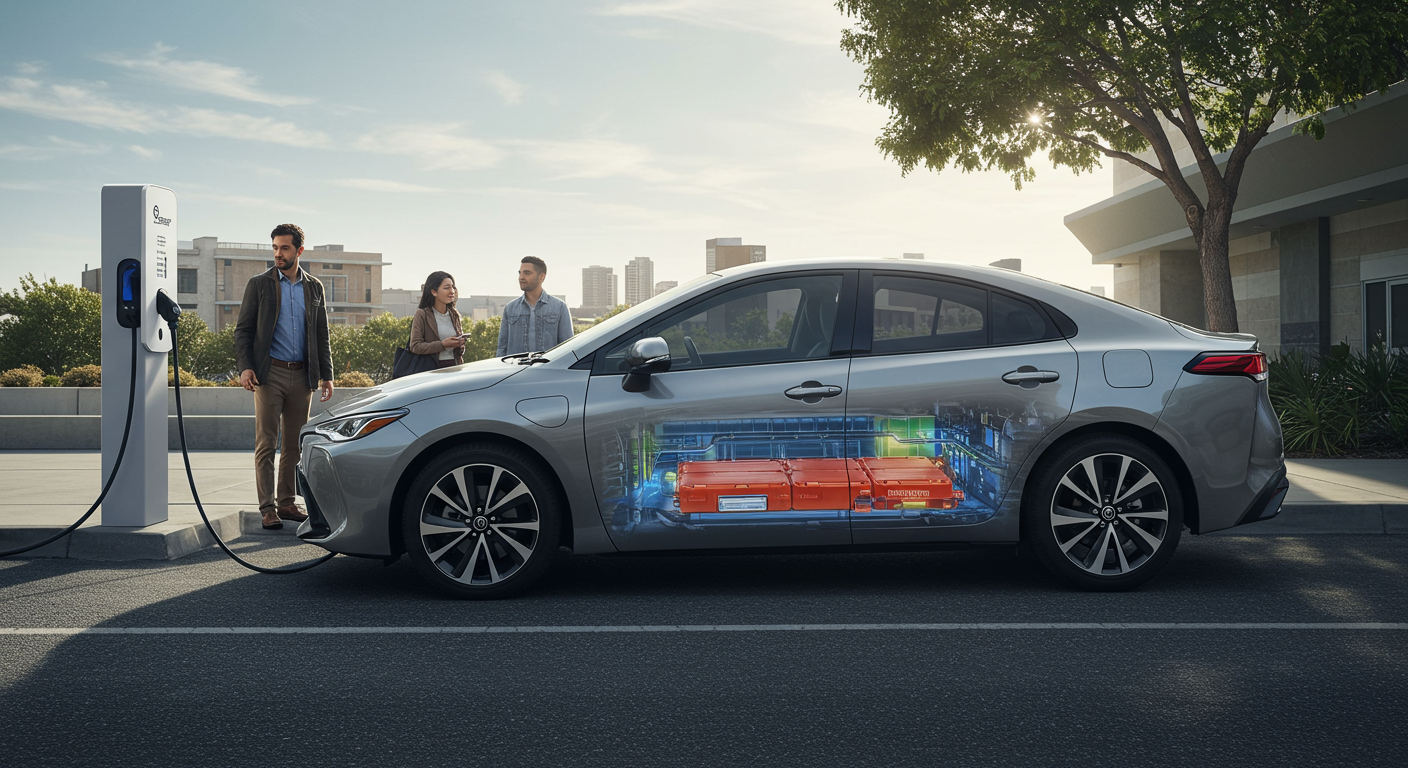
Toyota has officially begun production of solid-state batteries this year, marking a pivotal moment in electric vehicle technology. The automotive giant's ambitious timeline aims to deploy these revolutionary batteries in commercial vehicles by 2027, promising unprecedented 745-mile range and lightning-fast 10-minute charging capabilities.
Production Timeline and Manufacturing Scale-Up
Toyota's 2024 production launch represents more than just prototype development—the company has committed significant manufacturing resources to bring solid-state technology to market scale. These initial production runs will validate mass production processes and refine manufacturing techniques ahead of the 2027 commercial deployment.
The 2027 roadmap includes integration into Toyota's electric vehicle lineup, with substantial investments in dedicated facilities for solid-state battery production. This timeline positions Toyota ahead of many competitors still in development phases, potentially giving the Japanese automaker a first-mover advantage in next-generation EV technology.
Toyota's facility commitments include upgraded production lines specifically designed for solid-state manufacturing, which requires different processes compared to conventional lithium-ion battery production. The investment scale reflects the company's confidence in the technology's commercial viability.
Game-Changing Performance Specifications
The promised 745-mile range represents a quantum leap over current EV standards, effectively doubling the range of many existing electric vehicles. This capability would eliminate range anxiety for most drivers, making electric vehicles practical for long-distance travel without frequent charging stops.
The 10-minute charging breakthrough could fundamentally transform the EV ownership experience. Current fast-charging sessions typically require 30-45 minutes for substantial range recovery, making this development a potential game-changer for widespread EV adoption. However, realizing this benefit will require compatible ultra-fast charging infrastructure.
These performance gains stem from energy density improvements over lithium-ion technology. Solid-state batteries can pack significantly more energy into the same physical space, allowing for either longer range in similarly-sized battery packs or maintaining current range with smaller, lighter batteries.
Technical Advantages of Solid-State Technology
Safety improvements represent one of solid-state technology's most compelling advantages. Unlike liquid electrolyte lithium-ion batteries, solid-state batteries are less prone to thermal runaway and fire risk, addressing one of the primary safety concerns with current EV technology.
Durability and longevity benefits could significantly improve the total cost of ownership for electric vehicle owners. Solid-state batteries typically maintain their capacity longer than conventional batteries, potentially lasting the entire vehicle lifetime without degradation-related replacement needs.
Temperature performance enhancements make solid-state batteries more reliable across diverse climate conditions. They maintain better performance in extreme cold and heat compared to lithium-ion alternatives, addressing another common concern among potential EV buyers.
Competitive Landscape and Industry Response
Toyota's timeline puts it in direct competition with other solid-state battery developers, including QuantumScape, which has partnered with Volkswagen, and Samsung, which is developing solid-state technology for multiple automakers. However, Toyota's 2027 commercial deployment target appears more aggressive than many competitor timelines.
The competitive landscape also includes traditional battery manufacturers like CATL and BYD, who are advancing lithium-ion technology while also investing in solid-state research. Toyota's early market entry could force acceleration of competitor programs.
Market disruption potential extends beyond just Toyota's vehicles. If successful, solid-state technology could accelerate overall EV adoption by addressing the two primary consumer concerns: range and charging time. This could have cascading effects throughout the automotive industry.
Challenges and Reality Check
Manufacturing scalability remains a significant question mark. While Toyota has begun production, scaling to millions of units annually while maintaining quality and cost-effectiveness presents substantial challenges. Historical solid-state development has been hampered by production complexity and costs.
Toyota's track record with battery technology announcements provides important context. The company has previously made ambitious claims about battery breakthroughs that took longer than initially projected to reach market. Industry observers note the importance of distinguishing between laboratory achievements and mass production reality.
Infrastructure readiness for ultra-fast charging capabilities represents another hurdle. The promised 10-minute charging requires charging stations capable of delivering extremely high power levels, which are not yet widely available. Building this infrastructure will require coordination across the entire EV ecosystem.
Impact on Consumers and the EV Market
The 745-mile range capability directly addresses range anxiety, one of the most cited barriers to EV adoption. This development could make electric vehicles appealing to consumers who previously considered them impractical for their driving needs, potentially accelerating market transition.
Pricing impact on Toyota's EV lineup remains uncertain. Solid-state technology currently carries higher production costs than lithium-ion batteries, but Toyota's mass production approach may help achieve cost parity or even advantages through improved durability and performance.
The timeline for broader industry adoption depends on Toyota's success and competitor responses. If Toyota's 2027 deployment proves successful, it could trigger rapid industry-wide transition to solid-state technology, fundamentally reshaping the electric vehicle market within the next decade.