The Science Behind Artificial Atmospheres in Space Habitats
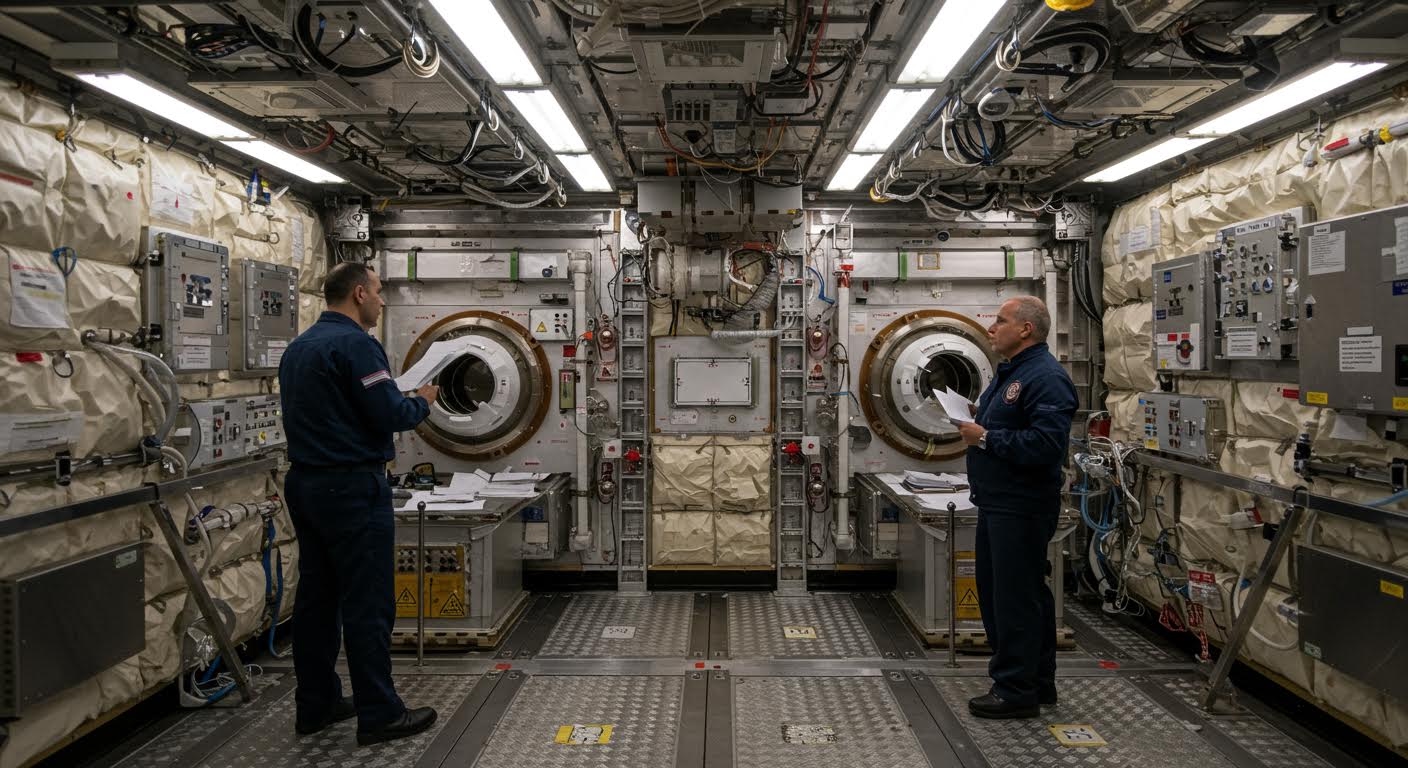
Creating a breathable atmosphere in the vacuum of space represents one of humanity's most complex engineering challenges. As we venture further from Earth and plan permanent settlements on Mars and beyond, the science of artificial atmospheres becomes increasingly critical to our survival among the stars.
The Challenge of Creating Earth in Space
Human survival depends on precise atmospheric conditions that we take for granted on Earth. Our bodies require specific concentrations of oxygen, appropriate atmospheric pressure, and the absence of toxic gases. In space habitats, these conditions must be artificially maintained within completely closed systems.
Unlike Earth's vast atmospheric system, space habitats operate as sealed environments where every molecule must be accounted for. There's no natural weather system to distribute gases, no vast reservoirs to buffer changes, and no biological processes to naturally recycle carbon dioxide into oxygen. Engineers must recreate these processes mechanically and chemically.
Current space habitat atmospheric requirements mirror Earth's conditions: approximately 21% oxygen, 78% nitrogen, with carbon dioxide levels maintained below 0.5%. The challenge lies not just in achieving these ratios, but in maintaining them continuously while crew members consume oxygen and produce carbon dioxide.
Core Components of Artificial Atmosphere Systems
Modern atmospheric control systems consist of several interconnected subsystems working in harmony. Atmospheric composition control manages the delicate balance of gases, continuously monitoring and adjusting oxygen, nitrogen, carbon dioxide, and trace gas concentrations through sophisticated sensors and automated response systems.
Pressure regulation systems maintain Earth-normal atmospheric pressure while considering structural limitations of spacecraft hulls. These systems must account for temperature variations, gas consumption rates, and potential leaks. The habitat structure itself becomes part of the atmospheric system, designed to withstand constant pressure differentials.
Temperature and humidity control mechanisms work closely with atmospheric systems. Proper humidity levels prevent both dehydration and condensation problems that could damage equipment or create unhealthy conditions. Air circulation networks ensure uniform distribution throughout the habitat, preventing dead zones where carbon dioxide might accumulate.
Oxygen Generation and Carbon Dioxide Removal
The heart of any artificial atmosphere system lies in its ability to produce oxygen and remove carbon dioxide. Electrolysis systems split water molecules into hydrogen and oxygen, providing a renewable source of breathable air. These systems require significant electrical power but offer the advantage of using recycled water from various habitat systems.
Chemical oxygen generation serves as both primary and backup systems in different applications. Oxygen candles and other chemical generators provide reliable oxygen production but consume materials that must be periodically resupplied. These systems prove particularly valuable during emergencies or system maintenance periods.
Carbon dioxide scrubbing technologies fall into two main categories: chemical absorption and regenerative approaches. Chemical scrubbers use lithium hydroxide or similar compounds to permanently bind CO2, while regenerative systems capture carbon dioxide for later processing, potentially recovering it as a resource for other habitat systems.
Integration between oxygen generation and CO2 removal systems presents ongoing challenges. Balancing production rates, managing power consumption, and coordinating maintenance schedules requires sophisticated control systems and redundant pathways.
Current Technology: The ISS Environmental Control and Life Support System
The International Space Station's Environmental Control and Life Support System provides our most extensive real-world data on artificial atmosphere management. According to the NASA Technical Reports Server documentation, the ISS has operated continuously for over two decades, demonstrating both the possibilities and limitations of current technology.
The station employs a combination of regenerative and non-regenerative systems. Water recovery systems recycle humidity and waste water for electrolysis, while chemical scrubbers handle peak CO2 loads. This hybrid approach provides reliability while reducing resupply requirements from Earth.
Maintenance requirements for these systems consume significant crew time and expertise. Components require regular replacement, calibration, and repair. System reliability issues have led to redundant systems and backup procedures, but also highlight the need for more robust designs for longer missions.
Lessons learned from ISS operations directly inform future habitat designs. The importance of system redundancy, crew training on atmospheric systems, and the need for automated monitoring and response capabilities have all emerged as critical factors for mission success.
Contamination Control and Air Quality Management
Closed atmospheric systems face unique contamination challenges absent in Earth's open environment. Outgassing from materials, human metabolic byproducts, equipment emissions, and potential leaks from other spacecraft systems all contribute to atmospheric contamination.
Advanced filtration and purification technologies address these challenges through multiple approaches. Activated carbon filters remove organic compounds, while specialized filters target specific contaminants. Catalytic systems break down trace gases, and UV sterilization systems control biological contamination.
Monitoring systems continuously track hundreds of potential atmospheric contaminants. Mass spectrometry and specialized sensors detect trace gases at parts-per-million levels, while automated systems respond to contamination events faster than human operators could react.
Emergency protocols for atmospheric emergencies include rapid system isolation, emergency oxygen supplies, and crew evacuation procedures. These systems must function reliably even when primary atmospheric controls fail.
Next-Generation Systems for Deep Space and Planetary Habitats
Future Mars missions and deep space habitats require more advanced closed-loop systems with minimal dependence on Earth resupply. According to the National Aeronautics and Space Administration's In-Situ Resource Utilization research, these systems must operate reliably for years while supporting larger crews in more challenging environments.
In-Situ Resource Utilization represents a paradigm shift for planetary habitats. On Mars, atmospheric processing could extract oxygen from the thin CO2 atmosphere, while subsurface water deposits could support electrolysis systems. This approach dramatically reduces launch mass requirements while providing backup resources.
Integration with planetary surface conditions adds complexity but also opportunity. Mars habitats might use the planet's natural day/night cycles and seasonal variations to their advantage, while protection from radiation and dust storms becomes part of atmospheric system design.
Scalability considerations become critical for larger habitats supporting hundreds or thousands of inhabitants. System architectures must handle variable loads, accommodate growth, and maintain efficiency at multiple scales.
Human Factors and Psychological Considerations
The impact of artificial environments on crew psychology extends beyond basic life support. Research from the European Space Agency's Life Support Systems program shows that air quality affects cognitive performance, comfort, and long-term health. Subtle differences in atmospheric composition, circulation patterns, or trace contaminants can influence crew well-being in ways still being understood.
Sensory aspects of atmospheric systems play important roles in crew comfort. Air circulation provides subtle audio cues and tactile sensations that contribute to environmental awareness. The absence of natural air movements and scents can contribute to psychological stress during long missions.
Long-term health implications of controlled atmospheres remain an active area of research. While short-term missions demonstrate system feasibility, multi-year exposures to artificial atmospheres may reveal subtle health effects not yet understood.
Design considerations for crew well-being increasingly influence atmospheric system development. Providing environmental variety, maintaining circadian rhythm cues through air circulation patterns, and ensuring rapid response to air quality concerns all contribute to mission success.
Future Innovations and Research Directions
Emerging technologies in atmospheric processing promise more efficient, reliable, and compact systems for future missions. Advanced materials enable better filters and membranes, while improved sensors provide more detailed atmospheric monitoring with reduced power consumption.
Biological systems integration offers intriguing possibilities for air revitalization. According to astrobiology research published in Nature, algae bioreactors could simultaneously produce oxygen, consume CO2, and provide food resources. Plant-based life support systems might create more psychologically comfortable environments while contributing to atmospheric management.
Automation and artificial intelligence increasingly support atmosphere management systems. Machine learning algorithms optimize system performance, predict maintenance needs, and respond to unusual conditions faster than traditional control systems.
Cost reduction strategies for commercial space habitats drive innovation toward simpler, more reliable systems. Industry reports from SpaceNews highlight how standardized components, reduced maintenance requirements, and improved manufacturing techniques all contribute to making space habitats more economically viable.
The science of artificial atmospheres continues evolving as humanity expands into space. Each mission provides new data, each technological advancement opens new possibilities, and each challenge overcome brings us closer to truly sustainable life support systems for permanent space settlement.