The Rise of Space-Based Solar Power Stations: From Science Fiction to Reality
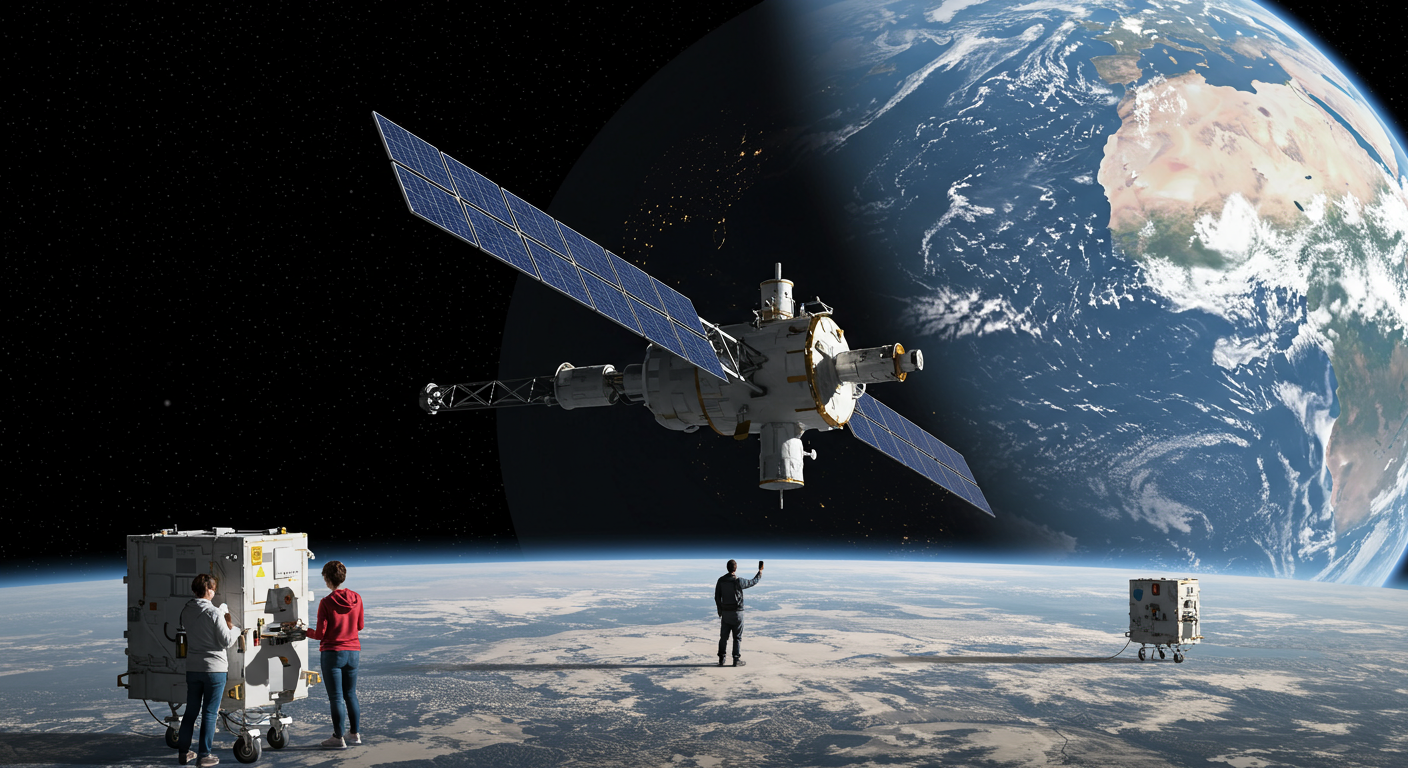
What was once relegated to science fiction is rapidly becoming reality. Space-based solar power (SBSP) stations—massive installations that collect solar energy in orbit and beam it wirelessly to Earth—are gaining unprecedented momentum as technological breakthroughs align with urgent climate goals.
The Promise of Endless Solar Energy
The concept behind space-based solar power is elegantly simple yet revolutionary: position massive solar arrays in space where they can harvest sunlight 24 hours a day, 365 days a year, without interference from clouds, weather, or Earth's atmosphere. This continuous energy collection represents a fundamental advantage over terrestrial solar installations, which operate at roughly 25% capacity due to nighttime and weather limitations.
In space, solar panels achieve nearly constant operation while capturing solar radiation up to 10 times more intense than what reaches Earth's surface. This capability positions SBSP as a potential source of baseload renewable energy—complementing the intermittent nature of ground-based wind and solar installations while providing the consistent power output traditionally associated with fossil fuel plants.
Major Players Leading the Charge
The National Aeronautics and Space Administration has emerged as a driving force behind modern SBSP development, with dedicated research programs exploring the technology's potential to support both terrestrial Net Zero commitments and future space missions. The agency's renewed interest reflects broader recognition that space-based energy systems could play a crucial role in achieving climate goals.
The European Space Agency has similarly invested in clean energy programs that include comprehensive SBSP investigations. These efforts are part of Europe's broader strategy to achieve energy independence while meeting aggressive carbon reduction targets.
Academic institutions are making significant contributions as well. The California Institute of Technology's Space Solar Power Project represents some of the most cutting-edge research in the field, focusing on developing the core technologies needed to make SBSP commercially viable, including advanced photovoltaics and wireless power transmission systems.
Private sector involvement is accelerating, with emerging partnerships between aerospace companies, energy corporations, and technology firms creating an innovation ecosystem around space-based energy generation.
Technical Breakthroughs Making SBSP Viable
Recent advances in materials science have produced revolutionary improvements in space-optimized solar panel technology. Modern panels designed for space deployment are significantly lighter and more efficient than their predecessors, while maintaining the durability needed to operate in the harsh space environment for decades.
Most critically, wireless power transmission systems using focused microwave beams have reached new levels of sophistication. These systems can precisely target ground-based receiving stations, converting collected solar energy into microwave radiation for transmission through space, then back into electricity on Earth.
The ground infrastructure required to receive and convert transmitted power has also evolved substantially. Modern receiving stations efficiently capture microwave energy and integrate it into existing power grids with minimal energy loss during conversion.
Equally important has been the dramatic reduction in launch costs, driven by reusable rocket technology and improved manufacturing processes. This cost reduction is essential for making large-scale space construction economically feasible.
Engineering Challenges and Solutions
Despite significant progress, substantial engineering challenges remain. Power transmission efficiency from space to Earth continues to be a primary concern, as energy losses during transmission and conversion can significantly impact overall system economics. Current research focuses on optimizing microwave beam focusing and improving ground-based conversion efficiency.
The construction and assembly of massive solar arrays in space presents unprecedented logistical challenges. These installations would dwarf existing space structures, requiring new approaches to space-based manufacturing, assembly, and quality control.
Orbital positioning represents another complex consideration. SBSP stations must maintain precise positioning to ensure continuous power transmission while avoiding space debris and managing orbital decay. Long-term maintenance and servicing of these installations adds additional complexity to mission planning.
Safety protocols for microwave power transmission require careful development to ensure that focused energy beams pose no risk to aircraft, wildlife, or human populations near receiving stations.
Economic Viability and Market Potential
Cost analysis remains a critical factor in SBSP development. While launch costs have decreased substantially, the initial capital requirements for space-based installations remain significant compared to terrestrial renewable energy sources. However, the 24/7 operation capability and higher energy density of space-based systems could offset these higher upfront costs over time.
Current projections suggest that commercial deployment could begin within the next two decades, with initial installations likely to serve specialized markets or demonstrate technology capabilities before scaling to utility-level power generation.
The potential market size is substantial, with some estimates suggesting that space-based solar power could eventually provide terawatts of clean energy globally. However, realizing this potential will require continued cost reductions and technological improvements.
The investment landscape is evolving rapidly, with government funding supporting basic research while private investment increasingly targets commercialization efforts.
The Path Forward
Several demonstration projects and proof-of-concept missions are currently in development, designed to validate key technologies and demonstrate the feasibility of power transmission from space to Earth. These projects will provide crucial data for scaling up to commercial installations.
Regulatory frameworks for space-based energy systems are still emerging, requiring international cooperation to establish standards for orbital positioning, power transmission, and safety protocols. This regulatory development will be essential for enabling commercial deployment.
Integration with existing power grids represents another important consideration, as SBSP systems will need to work seamlessly with terrestrial energy infrastructure and complement existing renewable energy sources.
Current timelines suggest that operational space-based solar power stations could begin serving commercial markets within the next 15-20 years, though initial installations will likely be smaller-scale demonstrations rather than utility-scale power plants.
The convergence of advancing technology, decreasing launch costs, and urgent climate goals has created unprecedented momentum for space-based solar power. While significant challenges remain, the progress achieved by major space agencies, research institutions, and private companies suggests that the dream of harvesting solar energy in space is closer to reality than ever before.