The Rise of Space-Based Solar Power Stations
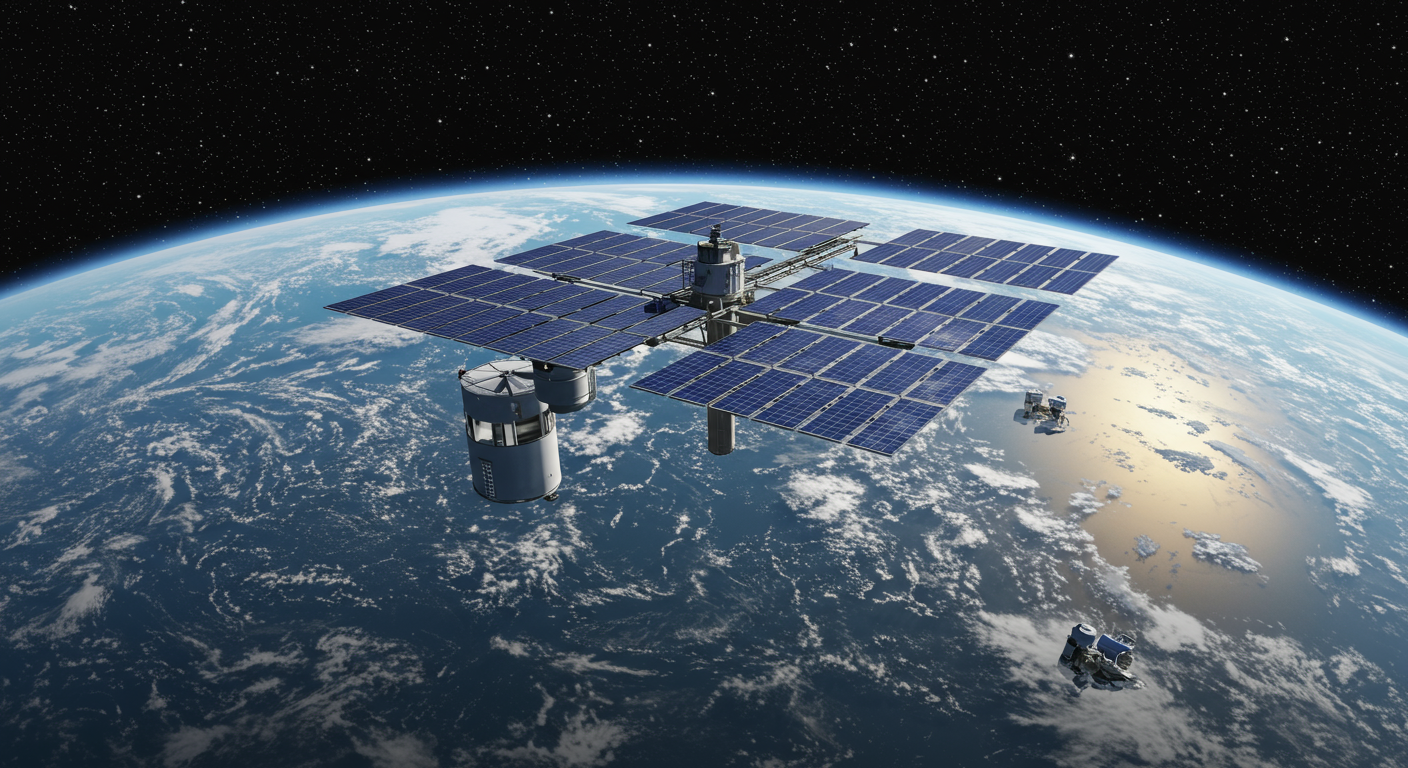
Space-based solar power represents one of the most ambitious clean energy solutions under development today. Unlike terrestrial solar farms, orbital power stations would operate continuously in space, unaffected by weather, atmospheric interference, or the limitations of day-night cycles that constrain ground-based systems.
The key advantage is constant energy generation. Solar panels in space achieve significantly higher efficiency while providing round-the-clock power. This potential has captured the attention of major space agencies worldwide, driving unprecedented investment and research momentum.
Leading Programs and Recent Breakthroughs
The National Aeronautics and Space Administration's Game Changing Development program leads American space-based solar power research, providing critical funding while tackling the engineering challenges that have historically made orbital energy systems economically unfeasible.
The European Space Agency's SOLARIS initiative takes a comprehensive approach to space-based solar development, emphasizing international collaboration while advancing key technologies for large-scale orbital installations.
The most significant recent milestone came from Caltech's Space Solar Power Demonstrator, which successfully demonstrated wireless power transmission from space to Earth. This breakthrough in microwave power beaming technology addressed one of the industry's most critical technical hurdles.
The U.S. Department of Energy has also increased involvement, recognizing space-based solar power as a potential game-changer for energy security and climate goals. This multi-agency approach reflects growing confidence in the technology's commercial viability.
Technical Components and Challenges
Space-based solar power systems require several sophisticated components working together. Orbital solar arrays must achieve extreme efficiency and durability, operating in harsh space conditions for decades while maintaining peak performance.
Wireless power transmission presents the most complex challenge. These systems use precisely focused microwave beams to send collected solar energy from space to ground-based receiving stations. The technology demands exceptional accuracy and safety protocols to ensure efficient delivery without environmental impact.
Constructing large-scale infrastructure in space poses unique engineering hurdles. Massive solar arrays require robotic assembly systems and advanced construction techniques still under development. The scale needed for commercially viable stations far exceeds anything previously built in orbit.
Ground-based receiving stations must efficiently convert transmitted microwave energy back into electrical power for existing grids. These facilities need specialized antenna arrays and conversion systems optimized for space-to-Earth transmission.
Economic and Logistical Barriers
Launch costs remain the primary economic obstacle. Current rocket technology makes it prohibitively expensive to transport massive orbital components, though advancing reusable launch systems are beginning to change this equation.
Orbital construction complexity requires sophisticated robotic assembly systems operating autonomously in space. These systems must assemble structures spanning several kilometers while maintaining precision necessary for efficient power generation and transmission.
Cost-per-kilowatt comparisons currently favor ground-based solar and wind installations. However, proponents argue that space systems' continuous generation and higher efficiency will eventually justify the additional investment.
Commercial viability timelines remain substantial. Industry experts estimate first commercial space-based solar stations will require tens of billions in investment and development timelines measured in decades.
International Competition and Collaboration
Space-based solar power development has become a multinational effort, with agencies across countries pursuing parallel research programs. This collaborative approach distributes enormous costs and technical challenges while accelerating overall progress.
The strategic implications haven't escaped policymakers. Nations view leadership in this technology as potentially crucial for future energy security and economic competitiveness.
Technology sharing presents both opportunities and challenges. While collaboration accelerates development, competing national interests and export controls complicate international cooperation efforts.
Timeline projections vary significantly between programs, with some targeting demonstration missions within the next decade while others focus on longer-term commercial deployment.
Future Outlook and Next Steps
Near-term milestones focus on demonstrating key technologies at scale. Several agencies have planned demonstration missions to validate wireless power transmission, orbital assembly techniques, and long-duration space operations.
Industry experts project first commercial installations could become operational within 15-20 years, assuming continued progress and sustained investment. Initial installations would likely prove commercial viability rather than provide grid-scale generation.
The potential impact on global energy markets could be transformative. Space-based solar power could deliver reliable clean energy to regions with limited renewable resources while supporting climate goals through reduced fossil fuel dependence.
Critical technological hurdles still require breakthrough solutions, including more efficient wireless transmission systems, cost-effective space construction techniques, and economies of scale necessary for commercial competitiveness with terrestrial alternatives.