The New Generation of AI-Powered Wearables and What They Can Actually Do
Beyond Step Counting
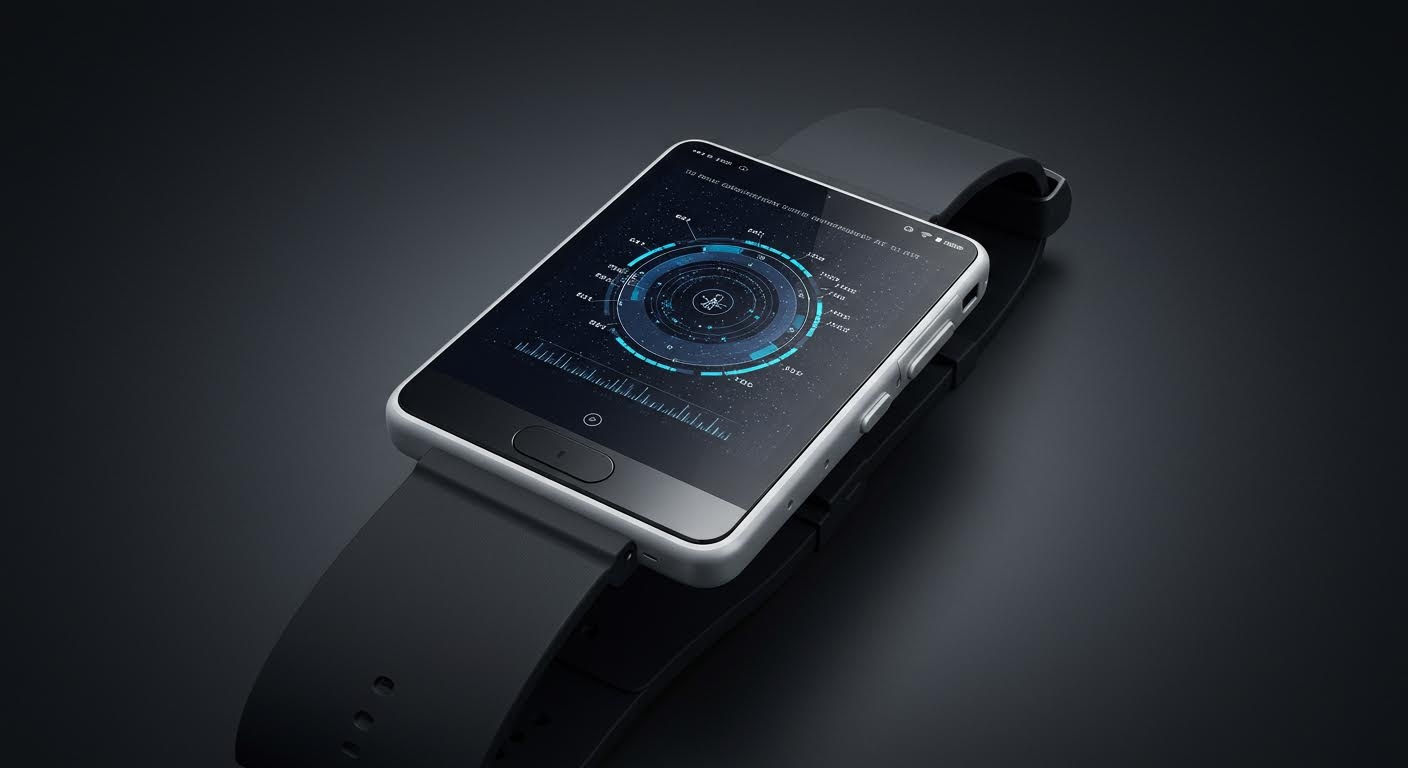
The wearable tech landscape has transformed dramatically. What started as simple step counters and heart rate monitors have become sophisticated AI-powered health companions that can detect irregular heart rhythms, predict illness, and deliver personalized health coaching.
Today's market leaders—Apple, Samsung, and Google (via Fitbit)—each bring unique AI capabilities to their devices. This AI integration isn't just a feature upgrade; it's a fundamental shift in how wearables understand and respond to our bodies.
Advanced Health Monitoring: What AI Actually Enables
Modern AI wearables excel at interpreting complex biometric data that would overwhelm traditional sensors. Machine learning algorithms analyze heart rate variability patterns to deliver more accurate insights into cardiovascular health and recovery status.
Sleep tracking has become particularly sophisticated. AI systems identify sleep stages through movement patterns, heart rate changes, and ambient sound analysis, distinguishing between light sleep, deep sleep, and REM phases with impressive accuracy.
Most significantly, many devices now offer atrial fibrillation detection—a feature that's earned FDA approval for several major brands. The AI monitors heart rhythm patterns and alerts users to potentially dangerous irregularities that might otherwise go unnoticed.
Temperature monitoring and blood oxygen sensing have also benefited from AI enhancement, with algorithms filtering out noise and environmental factors to provide more reliable readings.
Predictive Analytics and Early Warning Systems
The most promising aspect of AI wearables is their predictive capabilities. By analyzing biometric data patterns over time, these devices can potentially identify early warning signs of health issues before symptoms appear.
Some wearables have successfully detected early signs of COVID-19 by identifying subtle changes in heart rate variability and temperature patterns. Similar approaches are being used to predict potential burnout, depression episodes, and early signs of diabetes complications.
However, these predictive features have important limitations. False positive rates remain concerning, and accuracy varies significantly based on individual physiology and device placement. Healthcare integration is still developing, with most devices recommending users consult medical professionals rather than providing direct diagnoses.
Personalized Coaching and Behavioral Insights
AI has revolutionized wearable coaching capabilities. Instead of generic fitness recommendations, modern devices analyze individual performance data, recovery patterns, and historical trends to provide personalized workout suggestions.
Sleep coaching has become particularly advanced, with AI systems identifying specific factors that impact each user's sleep quality. These might include exercise timing, caffeine consumption patterns, or environmental factors like room temperature.
Nutrition recommendations are increasingly based on how individual bodies respond to different foods and eating patterns, measured through continuous biometric monitoring. The AI learns from patterns in energy levels, sleep quality, and workout performance to suggest dietary adjustments.
Long-term behavior modification represents the ultimate goal. By understanding what motivates individual users and when they're most likely to engage in healthy behaviors, AI can time interventions for maximum effectiveness.
Market Leaders and Their AI Approaches
Apple has focused heavily on health-centric AI features, earning multiple FDA approvals for medical-grade monitoring capabilities. The Apple Watch's AI can detect falls, irregular heart rhythms, and estimate blood oxygen levels with medical-grade accuracy.
Samsung's Galaxy Watch series emphasizes AI-driven fitness coaching and comprehensive sleep analysis. Their approach combines multiple sensors with machine learning to provide detailed insights into workout efficiency and recovery needs.
Fitbit, now owned by Google, leverages population-level data to enhance individual recommendations. Their AI systems compare user patterns against millions of other users to identify optimal strategies for specific health goals.
Emerging players are targeting specialized applications, such as continuous glucose monitoring integration and mental health tracking through stress pattern analysis.
Privacy, Security, and Data Ownership Concerns
AI wearables collect unprecedented amounts of intimate health data, raising important privacy questions. Most devices gather continuous heart rate data, sleep patterns, location information, and increasingly detailed behavioral patterns.
The processing approach varies significantly between manufacturers. Some prioritize on-device processing to minimize data transmission, while others rely on cloud-based AI that requires uploading personal health information.
Data sharing policies differ widely, with some companies sharing anonymized data with research institutions or potentially with insurance partners. Users often have limited visibility into how their data is being used beyond the features they directly experience.
Data portability remains challenging, with most ecosystems making it difficult to transfer comprehensive health data between different platforms or to personal storage.
Current Limitations and Future Potential
Despite impressive advances, AI wearables still face significant limitations. Accuracy can be affected by device placement, skin tone, ambient temperature, and individual physiological variations. False positives in health alerts remain common enough to cause user fatigue.
Battery life continues to be constrained by AI processing demands, with most advanced features requiring daily charging. This limitation affects continuous monitoring capabilities and user adoption.
Regulatory approval for medical-grade features remains slow and varies by region, limiting the rollout of potentially life-saving capabilities.
Future innovations point toward even more sophisticated health monitoring, including non-invasive blood glucose monitoring, blood pressure tracking, and mental health assessment through biometric pattern analysis. The integration of AI wearables with healthcare systems promises to transform both preventive care and chronic disease management.