Texas Right-to-Repair Law Takes Effect, Requiring Parts and Manuals for Pricier Electronics
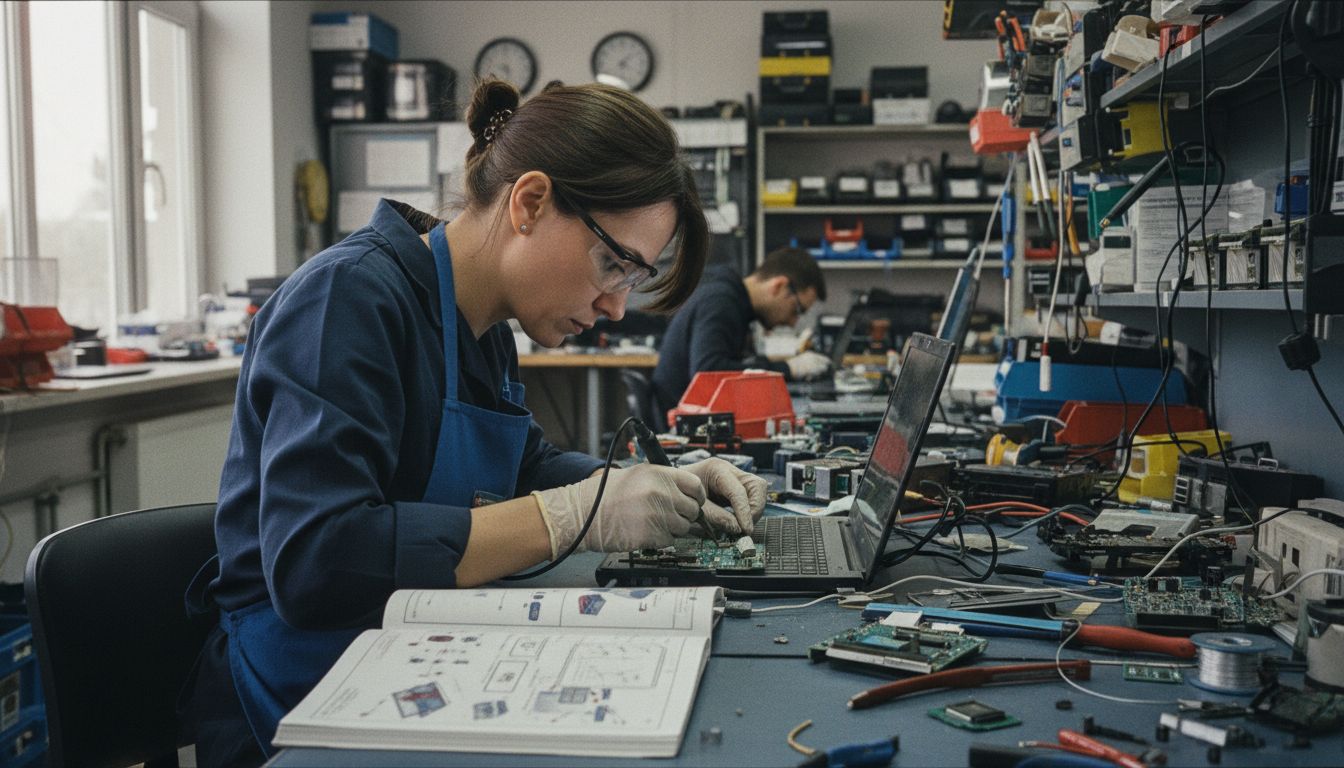
A new Texas law took effect on September 1, requiring manufacturers of certain electronic devices to make parts, tools, and repair manuals available to consumers and independent repair shops. House Bill 2963, known as the Right to Repair Act, makes Texas the ninth U.S. state to adopt a consumer electronics right-to-repair law.
Texas Right-to-Repair Law Takes Effect
HB 2963 cleared the Texas Legislature with overwhelming bipartisan support, passing 130-0 in the House and 31-0 in the Senate before taking effect at the start of September. The near-unanimous vote reflects a broader trend of state legislatures taking up right-to-repair measures for consumer electronics in recent years.
What the Law Requires
The law applies to electronic devices with a wholesale price over $50. Under its provisions, manufacturers must supply parts, diagnostic tools, and repair manuals not only to authorized dealers but also to consumers and independent repair shops. The law also sets tiered documentation retention requirements: manufacturers must retain repair-related documentation for three years for items priced between $50 and $99.99, and seven years for items priced at $100 or above.
What's Excluded
The law's scope is narrower than some right-to-repair advocates have sought. Appliances, medical devices, and vehicles are not covered, meaning the practical reach of the statute is limited to a subset of consumer electronics rather than the full range of repairable goods often referenced in broader right-to-repair campaigns.
Why Advocates Are Celebrating
Advocacy groups including Environment Texas and TexPIRG have framed the law as a win for both consumers and independent repair businesses. TexPIRG has cited an estimate of 621,000 tons of e-waste generated annually in Texas as part of the motivation behind the push for repair-friendly policy. Many observers note that reducing barriers to repair could extend device lifespans and cut down on electronic waste, though this e-waste figure originates from the advocacy organization itself rather than an independently verified government source, and should be read with that context in mind.
Context Within a National Trend
Texas joins eight other states that have enacted similar consumer electronics right-to-repair protections, signaling continued momentum for this category of policy across the country. Independent local reporting, including coverage from Houston Public Media, has confirmed the law's passage as part of a broader package of new Texas legislation taking effect around the same time. A recurring theme among supporters is that laws like HB 2963 could reshape the relationship between manufacturers, consumers, and independent repair providers, though the long-term practical impact will likely depend on how manufacturers implement compliance in practice.