Starship Reaches Orbit for the First Time on Flight 14, Deploys 26 Starlink V3 Satellites
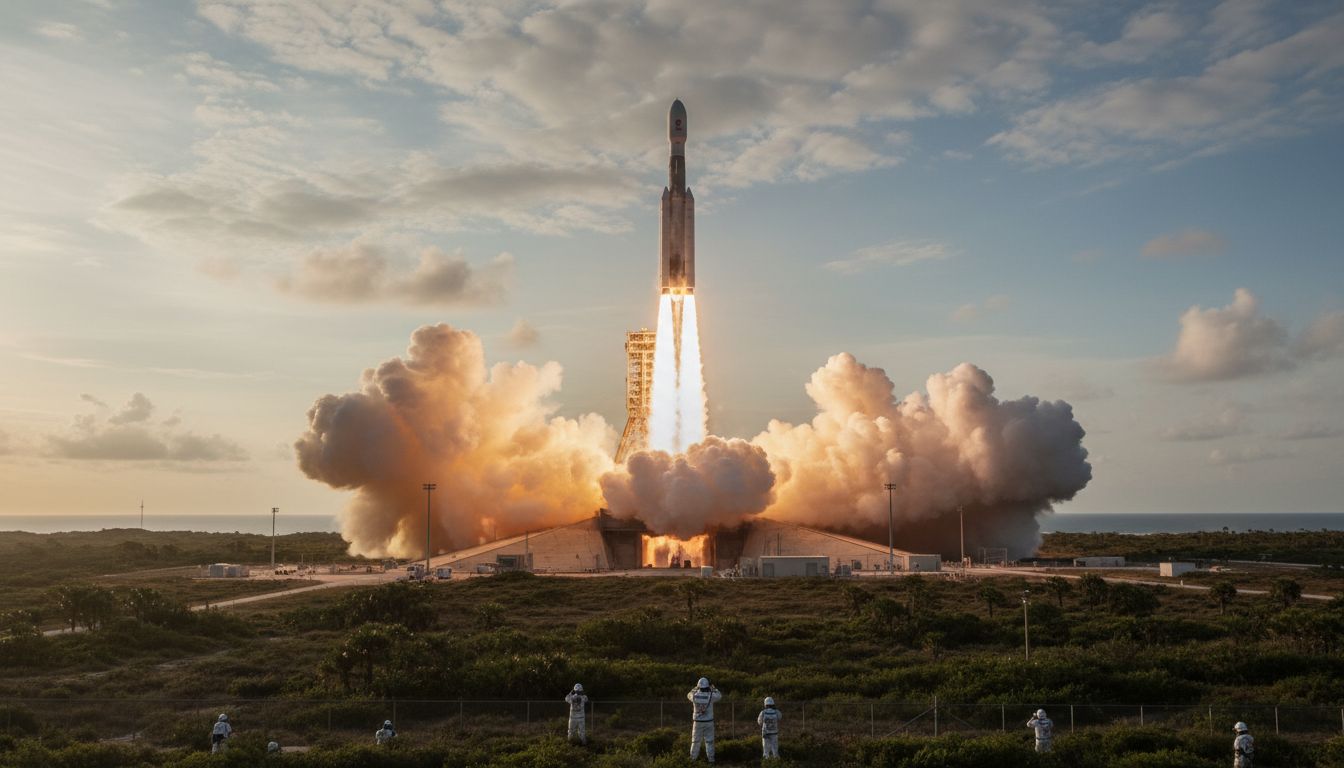
Starship Reaches Orbit for the First Time on Flight 14
SpaceX's Starship and Super Heavy booster reached orbital velocity of roughly 17,500 mph for the first time on September 28, 2026, during the vehicle's 14th test flight. Many observers note that this marks a major programmatic milestone after years of iterative testing, explosions, and partial successes.
It's worth noting that claims of mission success originate primarily from SpaceX's own statements. As of this writing, NASA and independent third parties have not issued separate verification of the flight's outcomes, a recurring pattern in how SpaceX test flights are initially reported.
Engine Anomaly and a More Cautious Flight Profile
An engine issue occurred during ascent. Reporting varies slightly across outlets, with some describing a single engine failure and others suggesting up to two engines were affected across the booster and ship. Out of what SpaceX described as an abundance of caution, the company shortened the mission from a planned duration of about 10 hours to roughly 3 hours.
This should be understood as a real technical issue rather than a dramatic failure. The flight continued and achieved its primary objectives, but the anomaly appears to have influenced subsequent decisions, including the booster's recovery method.
Booster Splashdown Instead of Tower Catch
Rather than attempting the tower-catch maneuver SpaceX has demonstrated on earlier flights, the Super Heavy booster completed a controlled splashdown in the Gulf of Mexico. Some observers connect this choice to the ascent anomaly, though SpaceX has not offered a detailed public explanation tying the two events together directly.
Starlink V3 Deployment: First Operational Payload
Starship's upper stage deployed 26 Starlink V3 satellites into operational orbit, with deployment beginning at approximately T+34 minutes into the flight. This represents the vehicle's first operational payload delivery and is being framed by many in the industry as a key step toward regular commercial use of the system.
The deployment also connects to SpaceX's broader strategy of expanding its Starlink megaconstellation, with Starship expected to eventually carry far larger satellite batches than the company's existing Falcon 9 fleet.
Reentry and Splashdown North of Hawaii
After the shortened roughly three-hour flight, Starship's upper stage splashed down north of Hawaii. Heat shield performance during reentry remains an open question that observers say is critical to SpaceX's long-term reusability plans for the vehicle.
What Comes Next: Artemis and Beyond
NASA has selected Starship as the planned crewed lunar lander for the Artemis III mission. Assignment of a vehicle for the follow-on Artemis IV mission remains under discussion and has not been finalized, so it should be treated as a plan rather than a settled outcome.
SpaceX has also tied Starship to longer-term ambitions, including large-scale Mars settlement and continued Starlink expansion. A recurring theme across coverage is that these broader goals reflect the company's stated vision rather than independently verified near-term commitments.