SpaceX Targets November for Starship Flight 15, Eyes First Dual-Catch Attempt
SpaceX Targets November for Starship Flight 15, Eyes First Dual-Catch Attempt
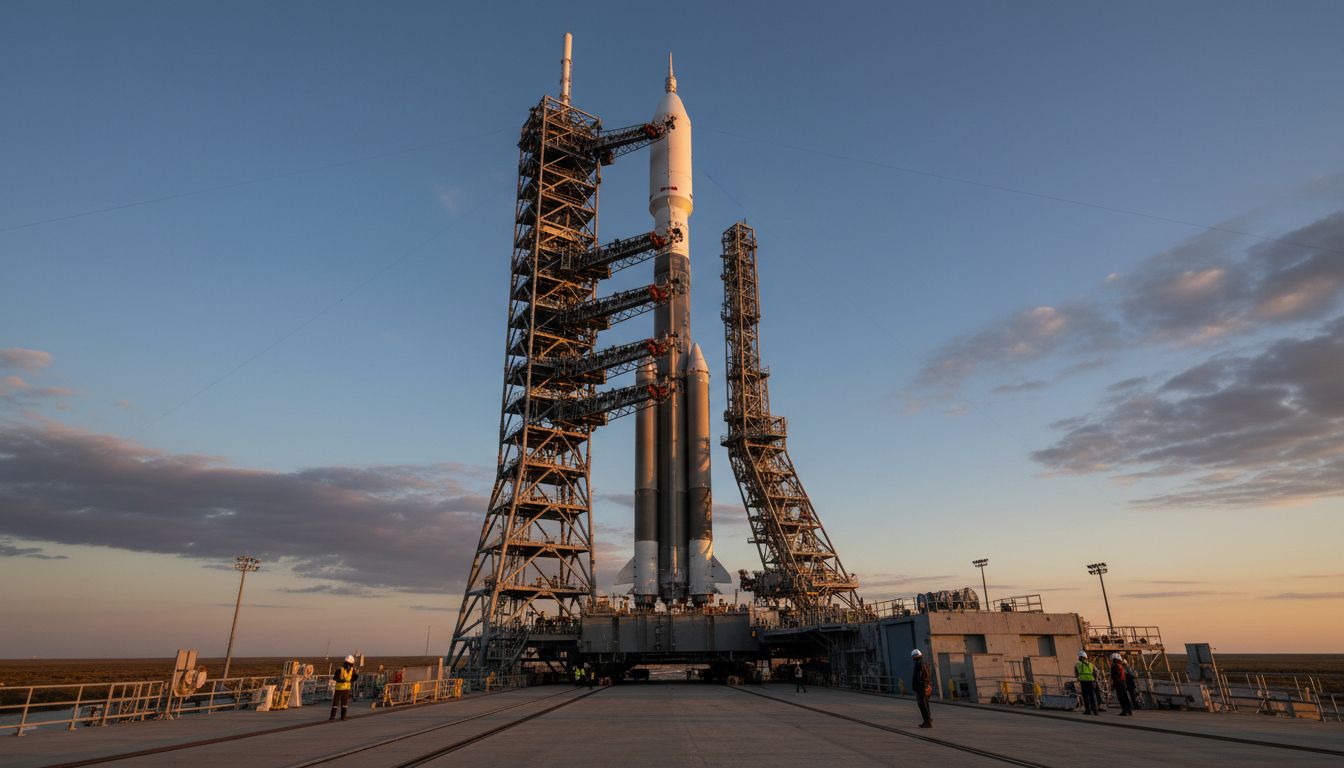
SpaceX is moving ahead with preparations for Starship Flight 15, with a launch window reportedly targeted for November. According to SpaceX and Elon Musk, the mission's headline goal is an attempt to catch both the Super Heavy booster and the Starship upper stage at the launch tower in a single flight — a feat that has never been accomplished. If successful, many observers note it would mark a significant leap in SpaceX's push toward full and rapid reusability of the Starship system. The attempt is reportedly pending regulatory approval, and exact details remain subject to change.
Pre-Flight Testing Milestones
Ahead of the planned launch, SpaceX has completed several key testing milestones. Booster 22, the Super Heavy first stage, completed a full-duration static-fire test of all 33 Raptor engines at Starbase, Texas. Separately, Ship 42, the Starship upper stage, reportedly underwent a full-duration six-engine static fire along with a simulated single-engine deorbit burn. These tests are generally viewed as standard readiness checkpoints in SpaceX's testing campaign, helping validate engine performance and operational systems before a launch attempt.
Building on Flight 14's Reported Success
This next test follows Flight 14, which reportedly took place on September 28 and achieved Starship's first full orbital flight. That mission is said to have deployed 26 Starlink V3 satellites. A recurring theme in coverage of the Starship program is that each flight builds incrementally toward more ambitious milestones, with Flight 15 aiming to extend that progress through the proposed dual-recovery attempt.
The Catch Attempt: What's Been Done Before, What's New
SpaceX has previously caught the Super Heavy booster using mechanical arms on the launch tower, often called "chopsticks," on three prior test flights, according to available reporting. However, a catch of the Starship upper stage at the launch site has not yet been achieved. Many in the spaceflight community view a successful dual-catch as a significant engineering and operational challenge, since it would require precise coordination of two separate recovery sequences within the same mission. Whether this attempt will proceed as described, and whether it will succeed, remains to be seen.
What Remains Unconfirmed
A recurring concern among those following this story is the degree to which coverage relies on SpaceX's own statements, often shared via social media, rather than independent verification. The precise November launch date, the status of regulatory approval, and whether the dual-catch attempt will actually proceed as planned are not independently confirmed at this time. Longer-term ambitions mentioned in connection with SpaceX's broader plans — including a potential 100,000-satellite Starlink expansion and a speculative "Starmind" AI-oriented satellite constellation — appear to be aspirational statements rather than confirmed programs, and should be treated accordingly. Additionally, some secondary sources covering this topic contain inconsistent or anomalous date references and limited editorial depth, which is reasonable grounds for caution when evaluating specific technical claims or timelines until they can be corroborated by additional reporting.