SpaceX Pushes Starship V3 Maiden Flight to Mid-May as Optimus Robots Remain on Track for 2026 Mars Mission
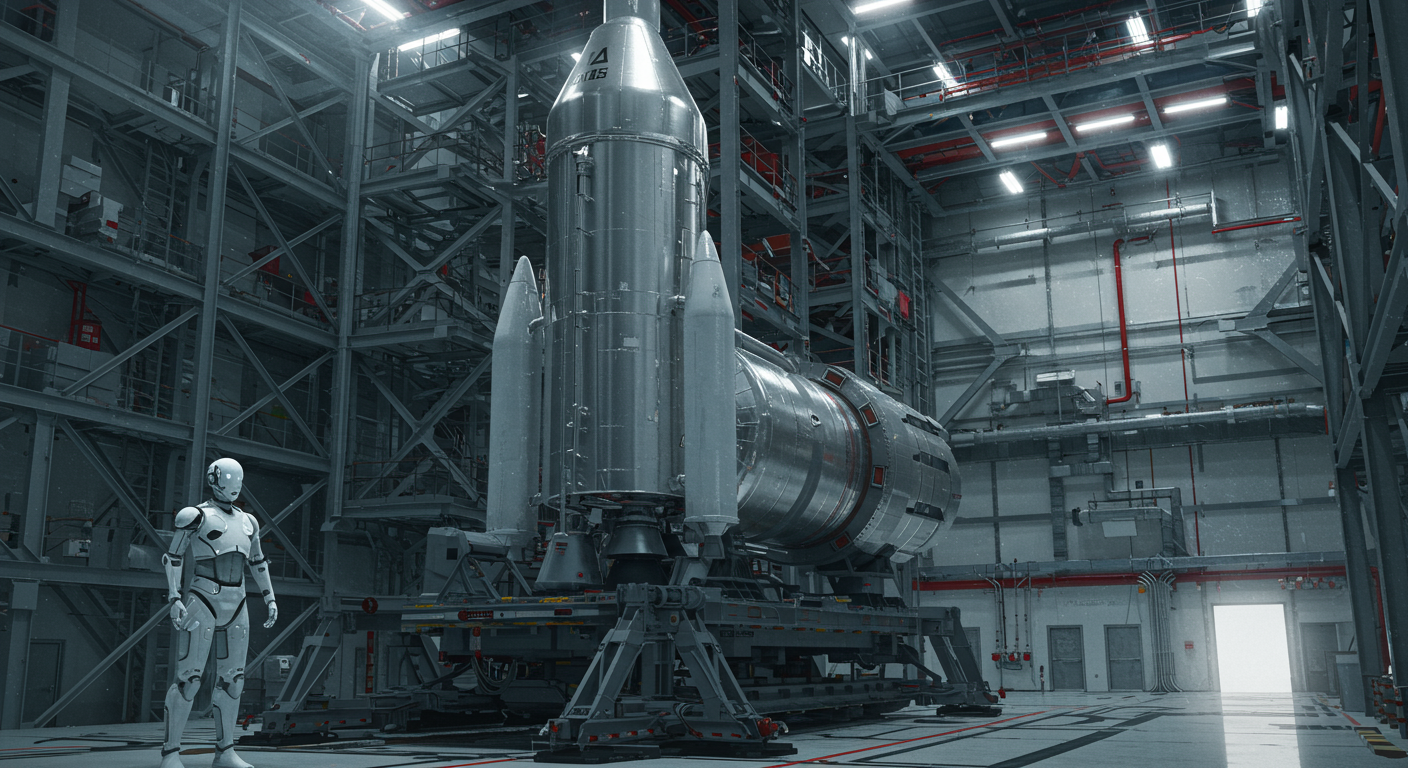
SpaceX has pushed back its highly anticipated Starship V3 maiden flight to mid-May, citing technical improvements and regulatory requirements. Despite this delay, the company remains committed to launching Optimus robots as part of a late-2026 Mars mission—a critical step toward establishing humanity's first foothold on the Red Planet.
Technical and Regulatory Hurdles Push Back Launch
The mid-May delay reflects SpaceX's shift toward more comprehensive pre-flight testing. The Federal Aviation Administration has intensified its safety reviews as Starship missions grow more ambitious, with Mars-capable vehicles requiring deeper scrutiny than previous orbital test flights.
Starship V3 incorporates substantial design changes that demand additional validation time. SpaceX has prioritized thorough ground testing over aggressive launch schedules—a lesson learned from earlier test flights that faced various technical challenges.
The regulatory landscape has also grown more complex. The FAA's environmental and safety reviews now include detailed assessments of Mars mission capabilities, extending the approval timeline beyond SpaceX's initial projections.
V3 Brings Major Upgrades for Mars Missions
Starship V3 represents a significant leap forward from its V2 predecessor. The upgraded vehicle features enhanced payload capacity specifically designed for Mars mission requirements and incorporates next-generation Raptor engines with improved performance and reliability for long-duration spaceflight.
Key improvements include a redesigned heat shield optimized for Mars atmospheric entry, enhanced cargo configurations for robotic payloads, and upgraded life support systems. The vehicle's expanded payload capacity accommodates the complex equipment needed to establish initial Mars surface operations.
The new Raptor engines deliver increased thrust efficiency and reduced maintenance requirements—critical factors when engine restart capability becomes essential after months in space. These enhancements directly support the vehicle's central role in the 2026 Mars mission architecture.
Optimus Robots Stay on Mars Timeline
Despite the Starship delay, SpaceX confirms that Optimus robots remain on schedule for the late-2026 Mars launch window. These humanoid robots will perform critical surface operations including habitat construction, equipment deployment, and scientific data collection before potential human missions arrive.
The Mars-bound Optimus units feature specialized modifications for the planet's harsh environment: radiation shielding, dust-resistant sealing, and extended battery systems optimized for Mars' 24.6-hour day cycle. These environmental adaptations represent years of development work targeting Martian conditions.
Integration planning between the robots and Starship's cargo systems has progressed independently of V3 flight testing, keeping development on track. The robots will carry specialized tools for constructing landing pads, solar arrays, and preliminary infrastructure for future missions.
NASA Partnership Shapes Mission Architecture
The Mars mission involves extensive coordination between SpaceX and the National Aeronautics and Space Administration, building on partnerships established through the Artemis lunar program. The space agency's scientific objectives include geology surveys, atmospheric studies, and technology demonstrations for future human exploration.
Mission architecture requires Optimus robots to operate autonomously for extended periods, accounting for communication delays between Earth and Mars. This capability aligns with NASA's broader strategy of using robotic systems to reduce risks for eventual human Mars missions.
Backup planning includes alternative launch windows and contingency scenarios for potential technical issues. Both organizations have developed flexible mission parameters that accommodate various operational constraints while maintaining core scientific and exploration objectives.
Mars Settlement Goals Adjust but Persist
The Starship V3 delay compresses the timeline leading to the 2026 Mars launch window, but SpaceX maintains that critical milestones remain achievable. The company's parallel development approach has allowed continued progress on mission-critical systems even as flight test schedules adjust.
Industry analysts note that the delay reflects a more mature approach to space system development compared to SpaceX's earlier rapid-iteration philosophy. The emphasis on thorough testing before flight attempts suggests greater confidence in mission success rates for the high-stakes Mars mission.
Long-term Mars settlement goals remain on track, with the 2026 mission serving as crucial proof-of-concept for sustained robotic operations on the planet's surface. Success would validate key technologies needed for subsequent cargo deliveries and eventual human missions.
The timeline adjustment has generated mixed reactions from investors and industry observers. Some view the delay as prudent engineering, while others express concern about maintaining momentum in the competitive space exploration sector.