SpaceX Pushes Starship Flight 14 to September 28 for First Full Orbital Attempt With 26 Starlink V3 Satellites
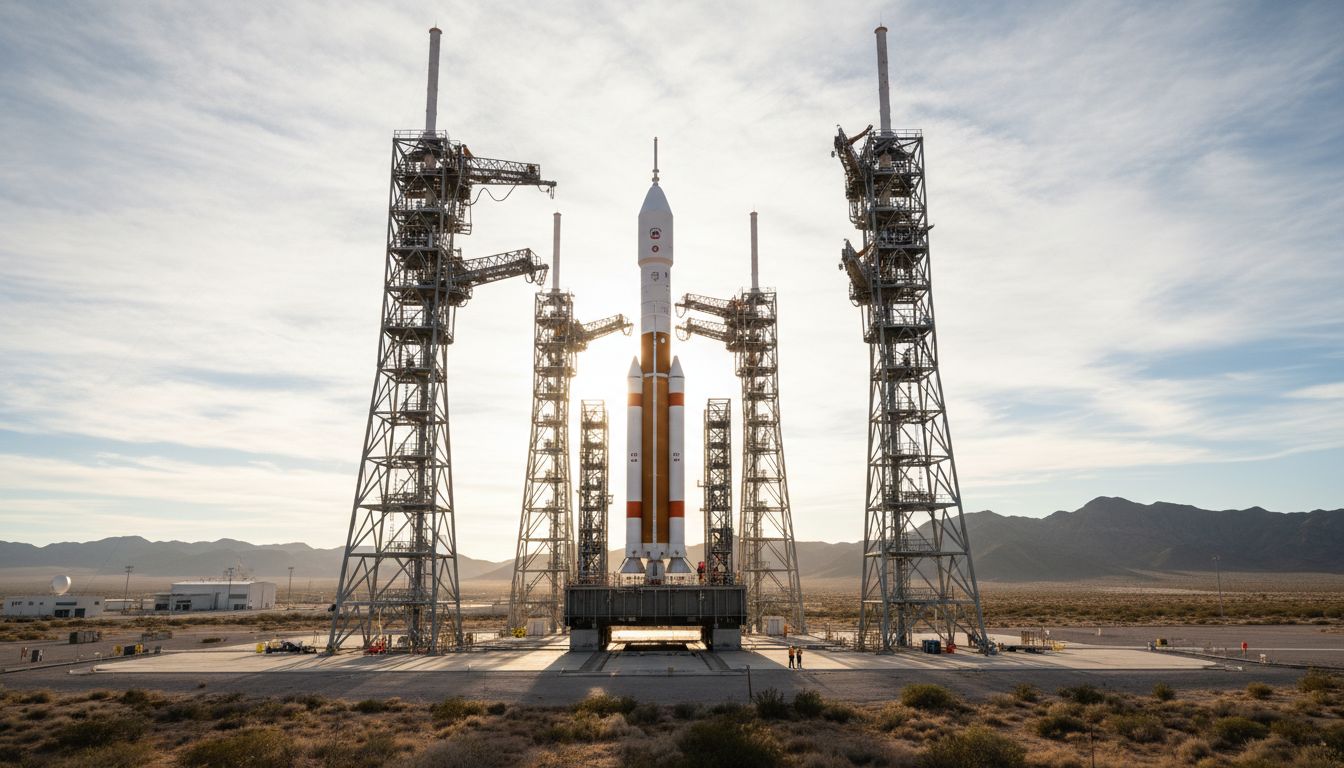
SpaceX has moved the target launch date for Starship Flight 14 from September 22 to September 28, 2026, with liftoff planned for no earlier than 12:15:00 UTC from Starbase's OLP-2 pad. The new date still depends on regulatory approval, a caveat both SpaceX and local officials have emphasized. Rather than a routine schedule slip, many observers see the shift as a sign of how much is riding on this flight compared to previous Starship tests.
Why This Flight Matters: First Full Orbital Insertion
The first thirteen Starship test flights followed suborbital or partial-trajectory paths, giving engineers data on ascent, reentry, and landing without placing the vehicle into a sustained orbit around Earth. Flight 14 is designed to change that. If successful, it would mark the first time Starship achieves a full orbital insertion rather than a suborbital arc, a distinction that matters both technically and symbolically for the program's progress toward operational use.
The Payload: 26 Starlink V3 Satellites
Flight 14 is expected to carry Starlink Group 31-1, a set of 26 Starlink V3 satellites, three of which are equipped with onboard cameras. This would mark the first operational Starlink deployment carried out via Starship rather than a Falcon 9 rocket. Coverage of the mission has repeatedly pointed out that the V3 satellite design is reportedly too large for Falcon 9 to carry, which, if accurate, would make Starship not just a faster option but a functionally necessary one for deploying this generation of satellites.
Vehicle Readiness: Booster 21 and Ship 41
The mission depends on two vehicles reaching flight-ready status. Booster 21 has reportedly completed a cryogenic proof test between July 18 and 20 and a full-duration static-fire test on August 28. Ship 41 has reportedly gone through its own cryogenic proof test on June 29 and a six-engine static fire on August 21. These milestones are typically treated by SpaceX and outside trackers as strong indicators of flight readiness, though they are not a guarantee that the vehicles will perform as expected once airborne. Some observers caution that testing history, while informative, should not be read as a promise of mission success.
Recovery Plan and Local Impact
Current planning calls for the Super Heavy booster to splash down in the Gulf of Mexico, while the Starship upper stage is expected to come down in the Pacific Ocean. Locally, the launch window is expected to bring temporary closures of Highway 4 and Boca Chica Beach, with SpaceX coordinating with local law enforcement to establish a safety perimeter and issue public alerts ahead of the attempt. These arrangements are consistent with the pattern seen in previous Starship launch campaigns from the same site.
What Comes Next
As with any pre-launch schedule, the September 28 target remains provisional. Regulatory sign-off has not been finalized, and continued vehicle health checks could still shift the timeline further. A recurring concern among consumers and industry watchers alike is how much the pace of future operational Starlink deployments will depend on this flight's outcome, since a successful orbital insertion would validate Starship's role in delivering next-generation satellite hardware at scale. Until launch day, all mission details should be treated as forward-looking and subject to change.