SpaceX Aims to Catch Starship's Upper Stage With the Launch Tower Before August Ends
SpaceX Aims to Catch Starship's Upper Stage With the Launch Tower Before August Ends
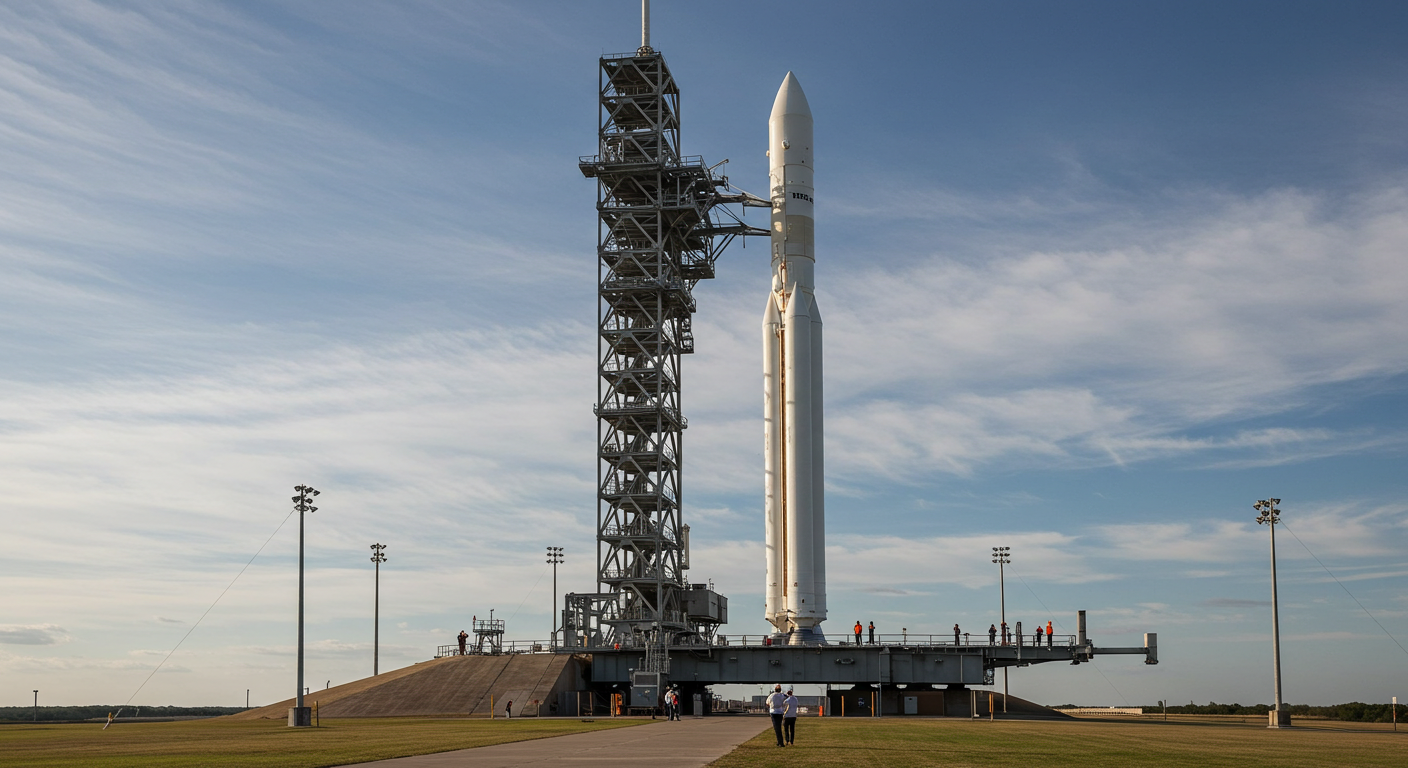
SpaceX is targeting as soon as this month for Starship's 14th test flight, pending regulatory approval. The mission would mark a significant milestone: catching the vehicle's upper stage, known as Ship, back at the launch tower for the first time. The flight builds on Flight 13, which launched July 24, 2026 from Starbase, Texas, and continues the company's push toward full and rapid reusability.
From Booster Catches to Ship Catches: What's Different This Time
SpaceX has successfully caught its Super Heavy booster using the launch tower's mechanical arms three times, most recently in March 2025. In its five most recent tests, however, the booster has instead splashed down in the Gulf of Mexico rather than returning to the tower. Catching the upper stage presents a distinct and more technically demanding challenge than booster recovery, since Ship reenters from orbital or near-orbital velocities and must survive the heat and stress of atmospheric reentry before attempting a precision return to the tower.
Regulatory Approval Remains the Key Variable
The timeline for Flight 14 is conditional on regulatory clearance, and reporting consistently frames the schedule as tentative. Starship's test program has a history of schedule slippage, and this flight is no exception. It's worth distinguishing between confirmed elements of the plan, such as the vehicle's readiness and the intended catch attempt, and speculative statements attributed to SpaceX CEO Elon Musk regarding broader program goals.
V3 Starlink Satellites Along for the Ride
Flight 14 is expected to carry upgraded V3 Starlink satellites as its payload. According to Musk, these satellites are designed to deliver roughly ten times the broadband capacity and data density of prior generations. This deployment aligns with SpaceX's broader strategy to expand Starlink's global capacity, with the company's own IPO prospectus reportedly citing a goal of launching around 60 Starlink satellites per Starship mission.
Musk's Cadence Ambitions vs. Confirmed Timelines
During a recent earnings call, Musk projected that within a year, SpaceX could be flying Starship at a cadence of at least one flight per day. This figure should be understood as a speculative, forward-looking goal rather than a confirmed operational timeline. Musk's public projections often outpace the company's near-term, regulator-dependent milestones, and Flight 14 illustrates that contrast well: an ambitious long-term vision paired with a conditional, near-term test flight.
What Success or Failure Would Mean for Starship's Future
A successful catch of Starship's upper stage would represent a major step toward full and rapid vehicle reusability, potentially shortening turnaround times between launches. As of this writing, no outlet has reported the attempt as guaranteed or already completed; it remains a stated goal pending both regulatory approval and technical execution. This attempt, regardless of outcome, stands as a meaningful indicator of how close SpaceX is to achieving its broader ambitions for low-cost, high-frequency orbital launch.