Smart Toys That Learn: What Parents Should Know About AI-Powered Play
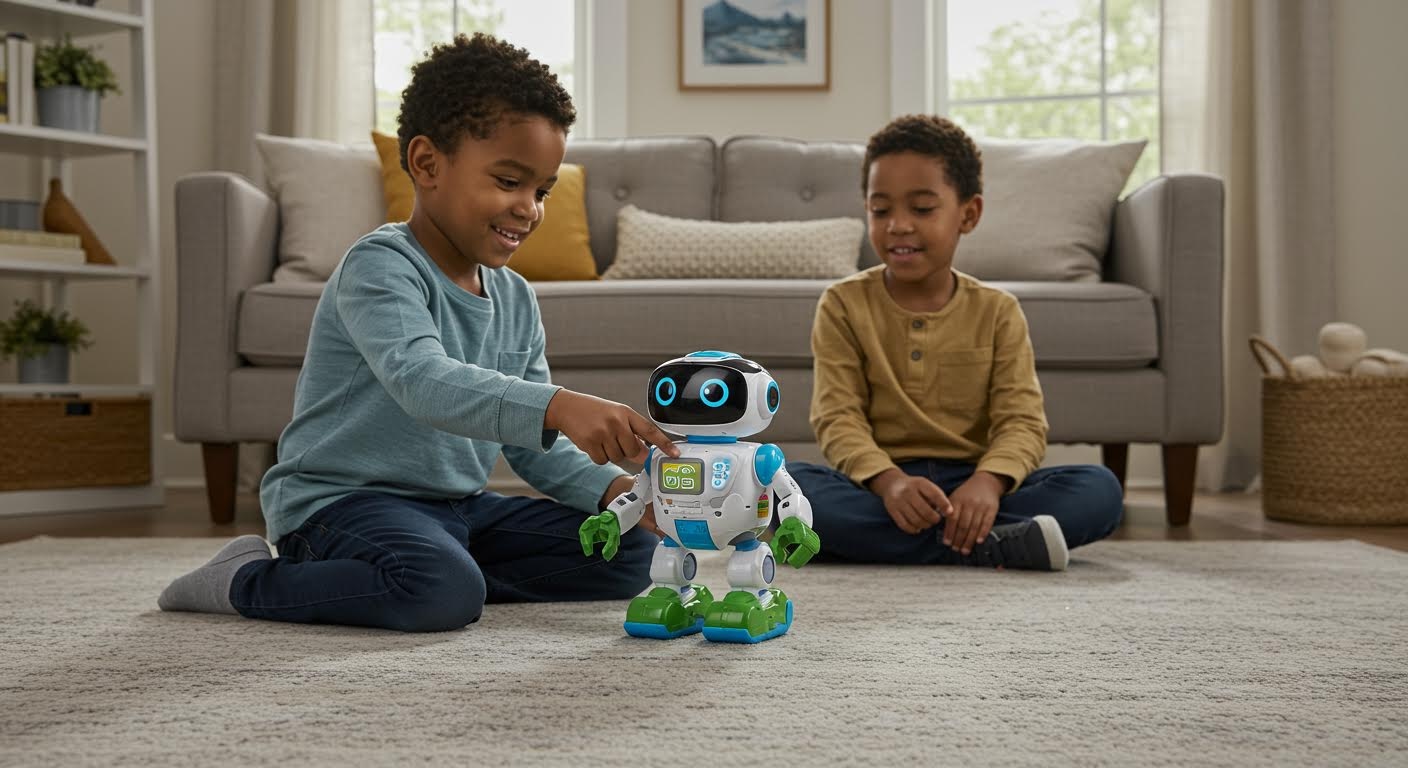
The toy aisle has transformed dramatically in recent years, with artificial intelligence breathing life into dolls, robots, and games that can learn, adapt, and respond to children in unprecedented ways. While these smart toys promise enhanced educational experiences and personalized play, they also introduce complex privacy and security considerations that parents must carefully navigate.
The Rise of AI-Powered Smart Toys
Today's smart toys go far beyond simple electronic features. They incorporate sophisticated voice recognition systems, machine learning algorithms, and internet connectivity to create interactive experiences that adapt to each child's preferences and learning style.
Popular categories include interactive dolls that can hold conversations, educational robots that teach coding and problem-solving, and adaptive learning games that adjust difficulty based on a child's progress. These toys use AI to enhance play experiences through personalization—remembering a child's favorite activities, responding to voice commands, and even developing unique "personalities" over time.
The appeal is clear: toys that can engage children meaningfully, support learning objectives, and provide entertainment that evolves with the child's development. However, this intelligence comes at the cost of data collection and connectivity that traditional toys never required.
What Information Smart Toys Actually Collect
Smart toys are sophisticated data collection devices, often gathering more information than parents realize. Voice recordings capture not only the child's speech patterns and conversations but may also pick up background conversations from family members and visitors.
Many connected toys track location data and usage patterns, building detailed profiles of when, where, and how children play. They monitor behavioral information and learning progress, creating comprehensive databases of a child's developmental milestones, preferences, and abilities.
Perhaps most concerning, children often share personal details during play conversations—family information, daily routines, addresses, and other sensitive data that could be stored and potentially accessed by unauthorized parties.
Government Warnings and Real Security Breaches
Federal agencies have issued clear warnings about connected toy risks. The Federal Trade Commission has published guidance highlighting privacy concerns with internet-connected toys, while the FBI has released consumer notices about potential privacy and contact concerns for children using smart toys.
These aren't theoretical risks. Several popular smart toy brands have experienced data breaches exposing children's personal information, voice recordings, and photos. Security researchers have documented cases where inadequate protection allowed unauthorized access to toy microphones and cameras.
The risks extend beyond data breaches to include unauthorized surveillance and the possibility of stranger contact through compromised devices. Many popular smart toy brands have been found to have inadequate security measures, including weak encryption, poor authentication protocols, and insufficient data protection.
Privacy Policy Red Flags to Watch For
When evaluating smart toys, parents should scrutinize privacy policies for several warning signs. Vague data sharing language that doesn't clearly specify how information will be used or shared with third parties should raise immediate concerns.
Indefinite data retention periods mean companies may store your child's information indefinitely, with no clear deletion timeline. The absence of robust parental control options leaves parents unable to manage their child's digital footprint effectively.
Unclear consent mechanisms for children's data are particularly problematic, as children cannot legally provide informed consent for data collection. Look for policies that require explicit parental consent and provide clear opt-out mechanisms.
Practical Steps for Safer Smart Toy Selection
Before purchasing any connected toy, conduct a security assessment. Research the manufacturer's track record with data protection, read recent security reviews, and verify that the toy receives regular security updates.
Once you've made a purchase, immediately configure parental controls and privacy settings. Disable unnecessary features like location tracking, limit data sharing permissions, and regularly review connected device activity on your home network.
Maintain vigilance through regular software updates and ongoing monitoring. Many security vulnerabilities are addressed through firmware updates, making regular maintenance crucial for continued safety.
Consider whether smart features are truly necessary for your child's play experience. Sometimes, traditional toys offer the same educational and entertainment value without the associated privacy risks.
Finding the Right Balance
The decision isn't necessarily between smart toys and traditional alternatives, but rather about making informed choices that balance educational benefits with privacy trade-offs. Some AI-powered toys offer genuine learning advantages, particularly for children with special needs or those who benefit from personalized instruction.
Age-appropriate selection becomes crucial—older children may benefit more from smart toys' advanced features and can better understand privacy concepts, while younger children may gain little additional benefit from AI capabilities.
Use smart toy selection as an opportunity to teach children about digital privacy through play. Explain why certain information shouldn't be shared, demonstrate how to interact safely with connected devices, and model good digital citizenship practices.
The smart toy market will continue evolving, with regulations and industry standards hopefully improving over time. Until then, informed parental oversight remains the best protection for children navigating AI-powered play experiences.