Smart Coding Robot Kits: Your Complete Guide to Educational Robotics
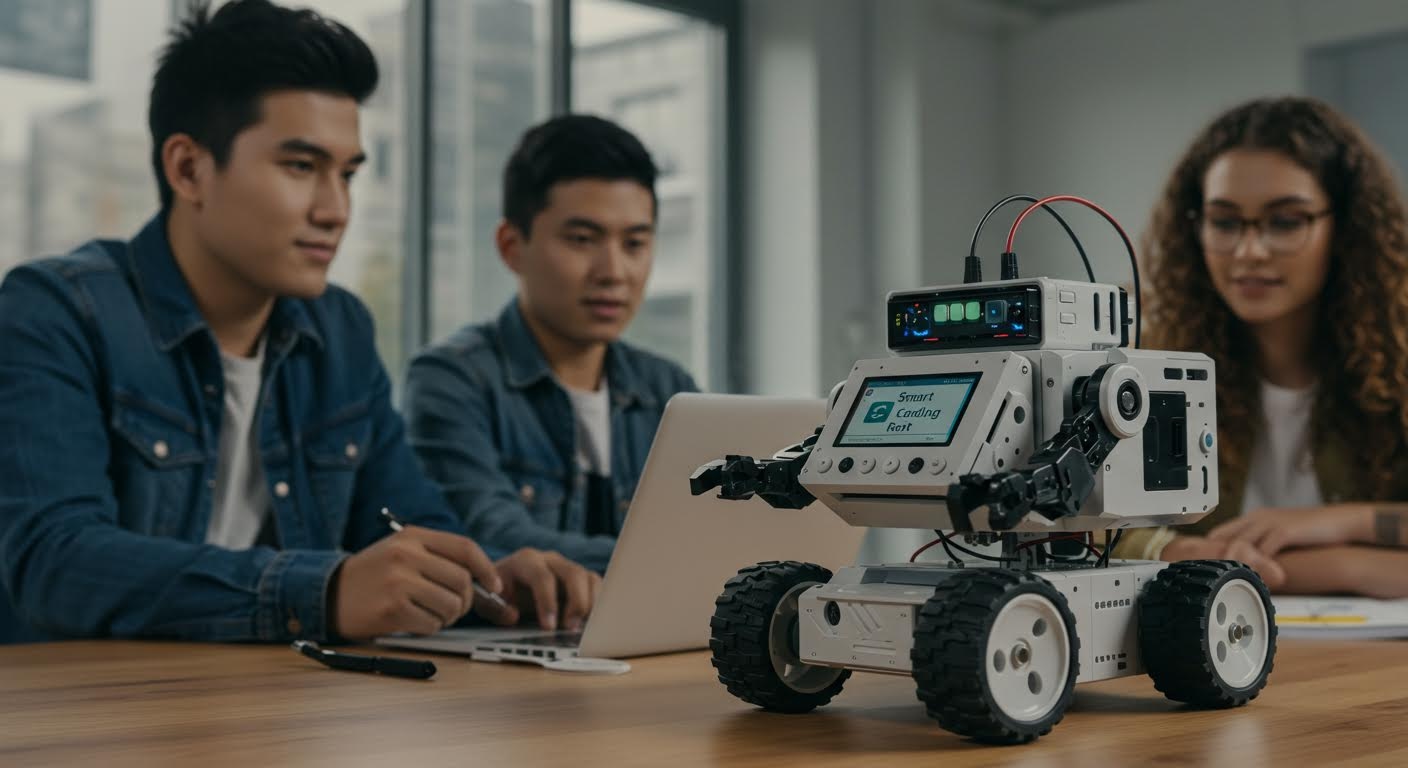
Smart Coding Robot Kits: Your Complete Guide to Educational Robotics
Smart coding robot kits are game-changers in education, bridging the gap between abstract programming concepts and hands-on learning. These innovative systems combine robotics hardware with user-friendly programming interfaces, creating engaging platforms where students develop computational thinking skills while building and controlling their own robots.
What Are Smart Coding Robot Kits?
Educational coding robots are programmable devices designed to teach programming, engineering, and problem-solving skills through interactive play and experimentation. These kits include modular components that students assemble into functional robots, then program using various coding environments to perform specific tasks.
The importance of these tools in STEM education has skyrocketed as educators recognize the value of hands-on learning experiences. By combining physical construction with digital programming, coding robot kits help students grasp abstract concepts through tangible results, making programming accessible and engaging for all ages.
These tools serve diverse audiences—from elementary students taking their first coding steps to high schoolers exploring advanced robotics concepts. Most kits scale beautifully, letting users start with simple drag-and-drop programming and advance to complex text-based coding languages.
Top Smart Coding Robot Kit Brands
The LEGO Mindstorms series remains the gold standard in educational robotics. These kits blend LEGO's familiar building system with sophisticated programming capabilities, enabling users to create complex robots using sensors, motors, and a programmable brick. Mindstorms shines in classroom settings with extensive curriculum resources and comprehensive teacher support.
Makeblock's mBot series delivers impressive versatility with multiple programming options, perfect for both beginners and advanced users. These robots work with visual block-based languages or traditional text-based coding environments, providing flexibility for different learning styles and skill levels.
The market also features numerous open-source alternatives and emerging manufacturers offering cost-effective solutions for budget-conscious educators and hobbyists. These options often provide excellent value while fostering innovation within the maker community.
Price points vary significantly across brands and target audiences. Entry-level kits start under $100, while premium educational packages can reach several hundred dollars. This range ensures options for individual learners, classrooms, and institutional programs.
Essential Components and Technologies
Modern smart coding robot kits rely on microcontrollers and processing units that act as the robot's "brain." These components execute programmed instructions and coordinate various sensors and actuators that bring robots to life.
Sensor integration is crucial, with most kits including ultrasonic sensors for distance measurement, light sensors for environmental awareness, touch sensors for interaction, and gyroscopes for orientation tracking. This sensor variety enables students to create robots that navigate environments, respond to stimuli, and perform complex behaviors.
Motors and actuators provide the movement capabilities that make robots dynamic and engaging. These components allow precise control of wheels, arms, and other mechanical elements, enabling students to design robots for specific tasks or challenges.
Modular building systems and connectivity options ensure students can experiment with different designs and configurations. Most kits use standardized connectors and building elements that promote creativity while maintaining component compatibility.
Programming Made Simple: Interfaces and Learning Paths
Visual block-based programming languages serve as the entry point for most young learners. These Scratch-like interfaces use drag-and-drop blocks to represent programming concepts, making coding accessible to students without typing skills or programming syntax knowledge.
Text-based coding environments offer advanced capabilities for experienced users. Many kits support popular languages like Python, C++, or Arduino IDE, allowing students to transition from visual programming to professional development tools as skills progress.
Progressive learning paths guide students from simple drag-and-drop programming to advanced coding concepts. This scaffolded approach ensures learners build confidence with basic concepts before tackling more complex programming challenges.
Integration with popular educational platforms enhances classroom utility. Many manufacturers provide curriculum resources, lesson plans, and assessment tools that align with educational standards and support teacher implementation.
Real-World Educational Applications
Classroom integration has become increasingly common as educators recognize hands-on STEM learning value. Smart coding robot kits align perfectly with curriculum standards in mathematics, science, and technology education, providing practical applications for theoretical concepts.
After-school programs and robotics clubs use these kits for collaborative problem-solving activities. Competition formats like FIRST LEGO League provide additional motivation and real-world application opportunities for student teams.
Home learning environments benefit from the self-directed nature of most robot kits. Parent-child projects strengthen family bonds while developing technical skills, making these tools valuable for informal learning settings.
Developing computational thinking and problem-solving skills represents one of the most significant benefits. Students learn to break down complex problems into manageable components, design algorithms, and debug solutions through iterative testing and refinement.
Where to Buy: Market and Retail Options
Specialized retailers like RobotShop and SparkFun serve the maker community and educational market with curated robotics selections. These retailers often provide technical support and educational resources that complement their products.
Educational distributors and institutional sales channels focus on bulk school and district purchases. These channels typically offer volume discounts, extended warranties, and curriculum support services tailored to educational environments.
Consumer electronics stores and online marketplaces have expanded robotics selections for the growing home market. Major retailers now stock popular brands with accessible purchasing options for individual consumers.
Growth trends in educational technology investments suggest continued expansion of the coding robot kit market. Increased emphasis on STEM education and digital literacy drives demand for engaging, hands-on learning tools that prepare students for technology-focused careers.
How to Choose the Perfect Kit
Age-appropriate selection should consider both physical assembly requirements and programming complexity. Younger children benefit from larger components and visual programming interfaces, while older students can handle sophisticated hardware and text-based coding environments.
Skill level assessment and progression planning help ensure chosen kits provide appropriate challenges without frustration. Consider both current abilities and desired learning outcomes when evaluating options.
Budget considerations extend beyond initial purchase to include potential expansion packs, replacement parts, and software licensing fees. Value comparison should account for longevity and educational utility of different options.
Support resources and community availability significantly impact the learning experience. Kits with active user communities, comprehensive documentation, and responsive technical support provide better long-term value for educators and students.