Smart Chess Teaching Robots: How AI is Revolutionizing Chess Education
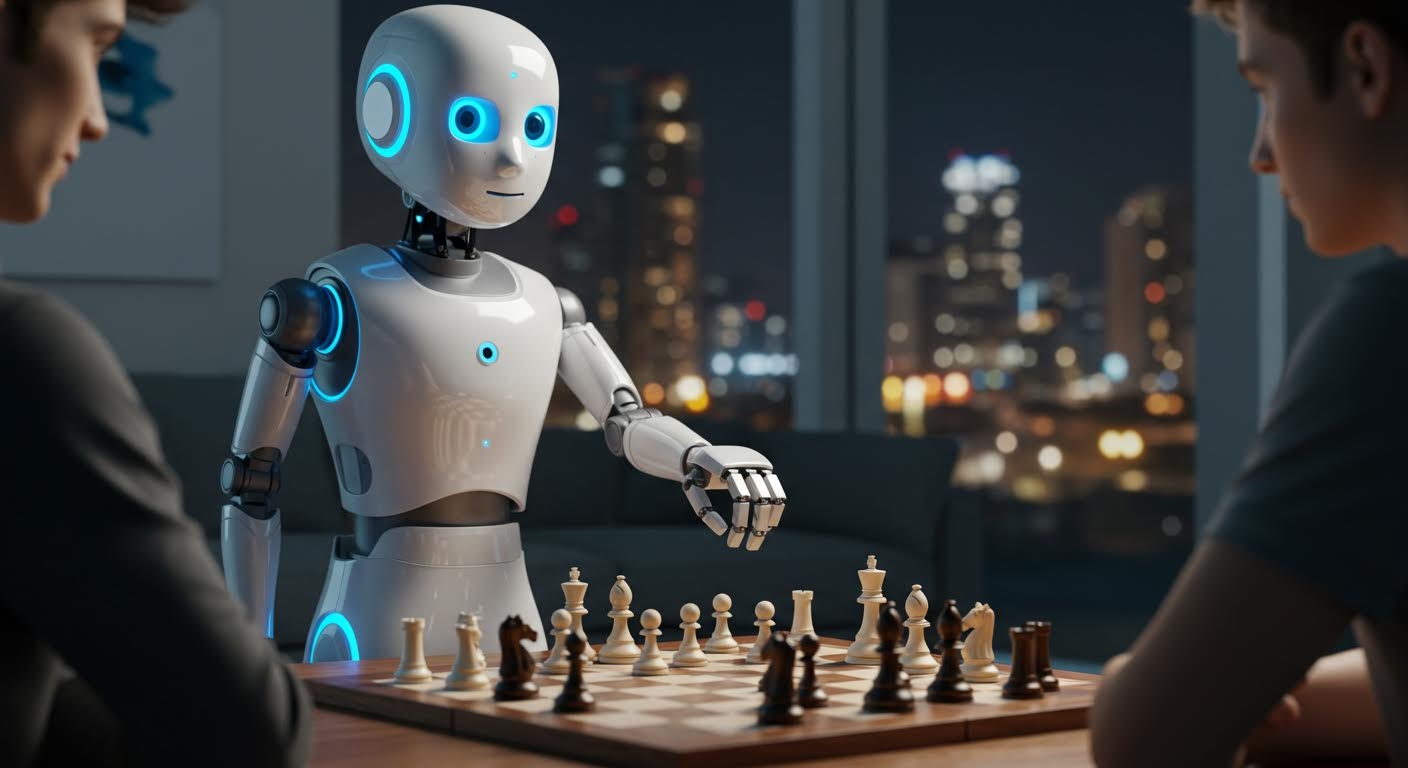
Chess education is undergoing a tech revolution as smart teaching robots emerge as game-changing tools for personalized instruction. These advanced systems blend artificial intelligence, robotics, and chess pedagogy to create interactive learning experiences that adapt to individual skill levels and learning styles.
As educational technology evolves, chess teaching robots are capturing the attention of educators, chess enthusiasts, and tech developers. These systems promise to make quality chess instruction more accessible while delivering consistent, patient guidance that enhances traditional teaching methods.
The Technology Stack Behind Chess Teaching Robots
Smart chess teaching robots rely on several cutting-edge technologies working together seamlessly. Computer vision serves as the foundation, allowing robots to recognize board positions, track piece movements, and monitor games in real-time. This visual recognition capability is crucial for understanding gameplay and providing relevant feedback.
Advanced robotic manipulation systems enable these devices to physically interact with chess pieces—demonstrating moves, correcting positions, and playing actual games with students. The precision required for chess piece handling has driven major innovations in fine motor control and spatial awareness for educational robots.
Powerful chess engines provide the analytical backbone, enabling position evaluation, move suggestions, and tactical pattern recognition. Machine learning algorithms supercharge these capabilities by personalizing instruction based on individual performance, learning patterns, and specific areas where students struggle.
How These Smart Robots Actually Teach
Chess teaching robots focus on real-time analysis and adaptive feedback. As students make moves, the system evaluates positions, spots tactical opportunities, and provides instant guidance on strategic concepts. This immediate feedback loop helps students grasp the consequences of their decisions while the position is still clear in their minds.
Personalization is where these robots really shine. They assess student skill levels through gameplay analysis, identifying strengths and weaknesses to customize lesson plans accordingly. Whether a student struggles with opening principles, tactical combinations, or endgame technique, the robot adjusts its teaching approach to target specific improvement areas.
Interactive demonstrations bring chess concepts to life as robots physically move pieces to show tactical patterns, strategic themes, and common pitfalls. This hands-on approach works particularly well for visual learners who benefit from seeing concepts demonstrated on an actual board.
Real-World Applications Across Learning Environments
Chess teaching robots are making their mark in various educational settings. Elementary and middle schools are integrating these systems into chess programs, giving students consistent instruction even when human coaches aren't available. Their infinite patience makes them ideal for working with young learners who often need concepts explained multiple times.
Chess clubs and competitive players leverage these systems for tournament prep, practicing against different playing styles and receiving detailed game analysis. The ability to simulate various opponent types and difficulty levels makes these robots valuable training partners.
Home learning gets a major boost from 24/7 robotic instructors, letting students practice and learn at their own pace outside formal lesson times. For families in areas with limited chess instruction access, these systems provide quality education that might otherwise be impossible to find.
Accessibility features are also being developed, with some systems designed for students with visual impairments or other learning differences, potentially opening chess education to much broader audiences.
Current Market Landscape and Products
The smart chess teaching robot market is still emerging, with several companies developing innovative approaches to automated instruction. Products range from sophisticated robotic arms that work with standard chess sets to integrated systems with built-in boards and piece recognition.
Pricing varies widely based on capabilities and target markets. Entry-level systems focus on basic instruction and game analysis, while premium models offer advanced AI tutoring, tournament-level analysis, and sophisticated robotic manipulation.
Key specs typically highlight processing power for chess analysis, accuracy of piece recognition and movement, and sophistication of teaching algorithms. Performance comparisons usually focus on teaching effectiveness, user interface design, and how well systems adapt to different skill levels.
The Pros and Cons of Robotic Chess Instruction
Chess teaching robots offer compelling advantages: consistency, patience, and round-the-clock availability. Unlike human instructors, these systems never get tired, lose patience, or have off days. They provide instruction anytime and maintain the same enthusiasm whether teaching basics or advanced strategies.
However, current limitations include the lack of emotional intelligence and motivational support that human coaches naturally provide. Chess instruction involves more than technical knowledge—it requires understanding student psychology, maintaining engagement, and inspiring genuine love for the game, areas where robots still struggle.
Technical accuracy remains challenging, especially in complex positions or unusual piece configurations. Cost is another barrier, as advanced systems may be too expensive for many schools and individuals.
What's Next for Chess Teaching Robots
The future looks bright as AI capabilities continue advancing. Better natural language processing could enable more natural communication between students and robotic instructors, while improved machine learning may deliver even more personalized and effective teaching.
Integration with online chess platforms and communities could expand robotic instruction reach, letting students seamlessly move between automated lessons and human opponents or coaches. This hybrid approach might represent the perfect blend of technological consistency and human insight.
The broader implications for educational robotics are huge. Chess teaching robots serve as a proving ground for AI-powered instruction in other subjects. Lessons learned here could inform robotic tutors for math, languages, and other fields requiring personalized, adaptive instruction.
As these technologies mature, they likely won't replace human chess instructors but rather enhance traditional teaching methods, creating more effective and accessible chess education for students everywhere.