SK Hynix Posts Record 83.3 Trillion Won Quarterly Profit as Memory Reportedly Sells Out Through 2029
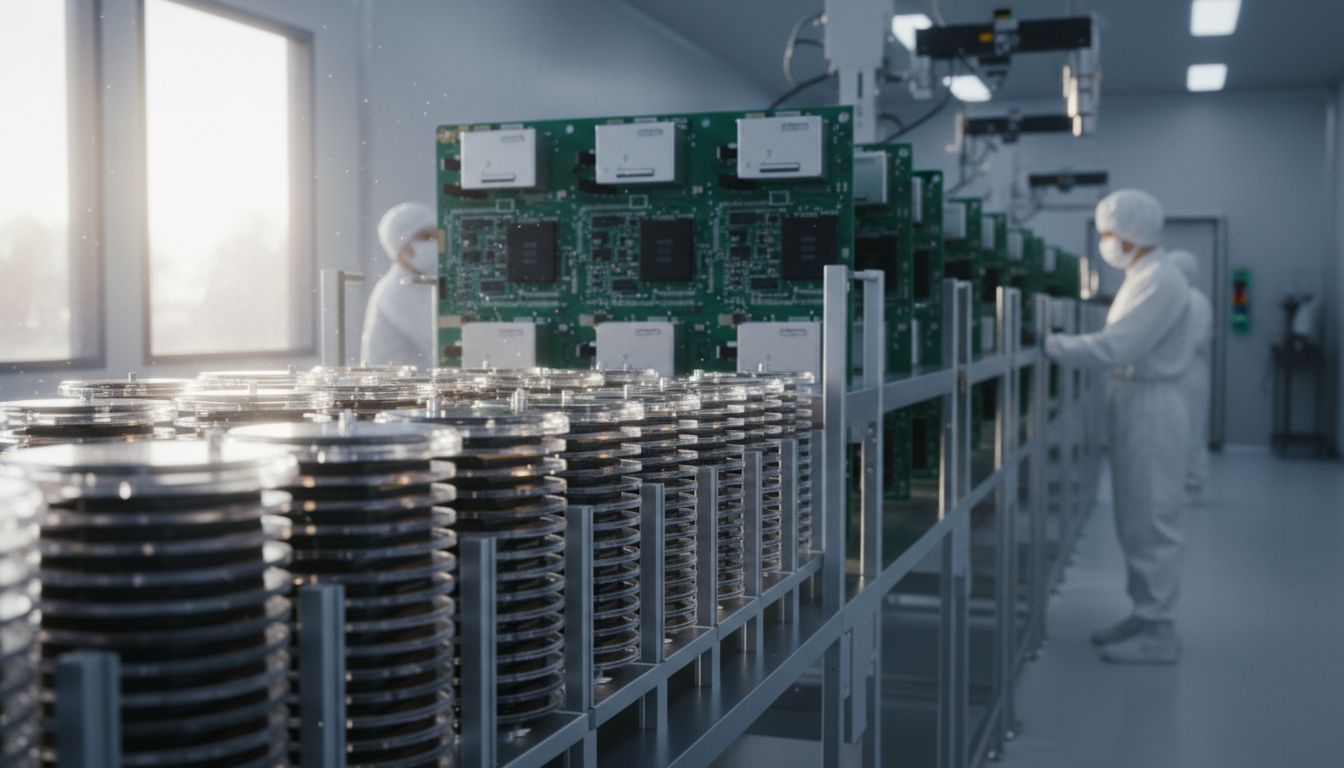
SK Hynix has posted the strongest quarterly results in its history, reporting 104.6 trillion won in revenue and 83.33 trillion won in operating profit for the third quarter of 2026. The figures mark a 328% year-on-year jump in revenue and a 632% surge in operating profit, pushing the company's operating margin to roughly 80%. Executives attribute the results primarily to surging demand for AI-related memory chips, particularly high-bandwidth memory (HBM) and DRAM used in data center infrastructure.
CNBC reported that these figures, drawn from the company's own earnings disclosures and an investor call, represent one of the most dramatic profit swings reported by a major chipmaker in recent memory. Many observers note that the scale of the increase reflects just how central memory chips have become to the broader AI buildout underway across the tech industry.
Memory Sold Out Through 2029: Inside the Long-Term Agreements
SK Hynix says its DRAM and HBM production is effectively sold out through 2029, a claim tied to a growing number of long-term agreements with major customers, according to Sedaily. The company reports that 14 major customers are now locked into such agreements, up from 10 the previous quarter, with existing contracts covering more than half of planned production capacity for 2027 and 2028.
Server DDR5 sales reportedly surged more than 40% quarter-on-quarter, which the company points to as evidence of accelerating data center demand. SK Hynix's chief financial officer also reaffirmed that deliveries of 12-Hi HBM4 chips remain on schedule, with the company projecting that HBM4 will surpass HBM3E in both shipments and revenue by the fourth quarter of 2026. It's worth noting that these forward-looking figures are company projections rather than independently verified outcomes, and some industry watchers treat the 2029 "sold out" framing as a strong signal of demand rather than a guaranteed certainty.
The Stock Price Disconnect and a $75 Billion Response
Despite the blockbuster results, SK Hynix shares fell 18.8% between September 1 and October 27, a decline that preceded the earnings announcement. A recurring consumer and investor concern has been whether record profits can be sustained, or whether AI-driven chip demand may be approaching a peak even as the company reports unprecedented margins.
In response to what it describes as a disconnect between its stock price and underlying performance, SK Hynix announced a 100 trillion won (roughly $75 billion) shareholder return plan, Korea Times reported. The plan includes approximately 30 trillion won in dividends and more than 60 trillion won allocated to share buybacks and cancellations. The board has already approved an initial 14 trillion won cash dividend, equivalent to 20,000 won per share, along with a 20 trillion won buyback program.
Strategic Shifts and Open Questions
Alongside the earnings announcement, SK Hynix confirmed it has scrapped plans for an initial public offering of its Solidigm subsidiary. Some analysts and commentators have read this as a note of caution from the company even amid record results, though SK Hynix has not characterized the decision that way publicly.
The scale of SK Hynix's margins has also reignited a broader industry debate: has AI-driven memory demand already peaked, or is the current boom still in its early stages? Sedaily reported that the company rejects the idea of a peak, with its own guidance suggesting continued strength through 2029 and beyond. Still, these are projections rather than confirmed outcomes, and the sharp stock decline preceding the earnings report suggests that not all investors are convinced. TrendForce data on the company's third-quarter results points to a recurring theme among those tracking the sector: the tension between extraordinary near-term profitability and uncertainty about the durability of the AI infrastructure buildout that underpins it.
For now, SK Hynix's results offer a clear snapshot of how central memory chips have become to AI development, even as questions remain about how long the current cycle of demand and pricing can continue.