Sequoia Leads $60 Million Round in Mecka AI, a Startup That Pays People to Record Motion Data for Robots
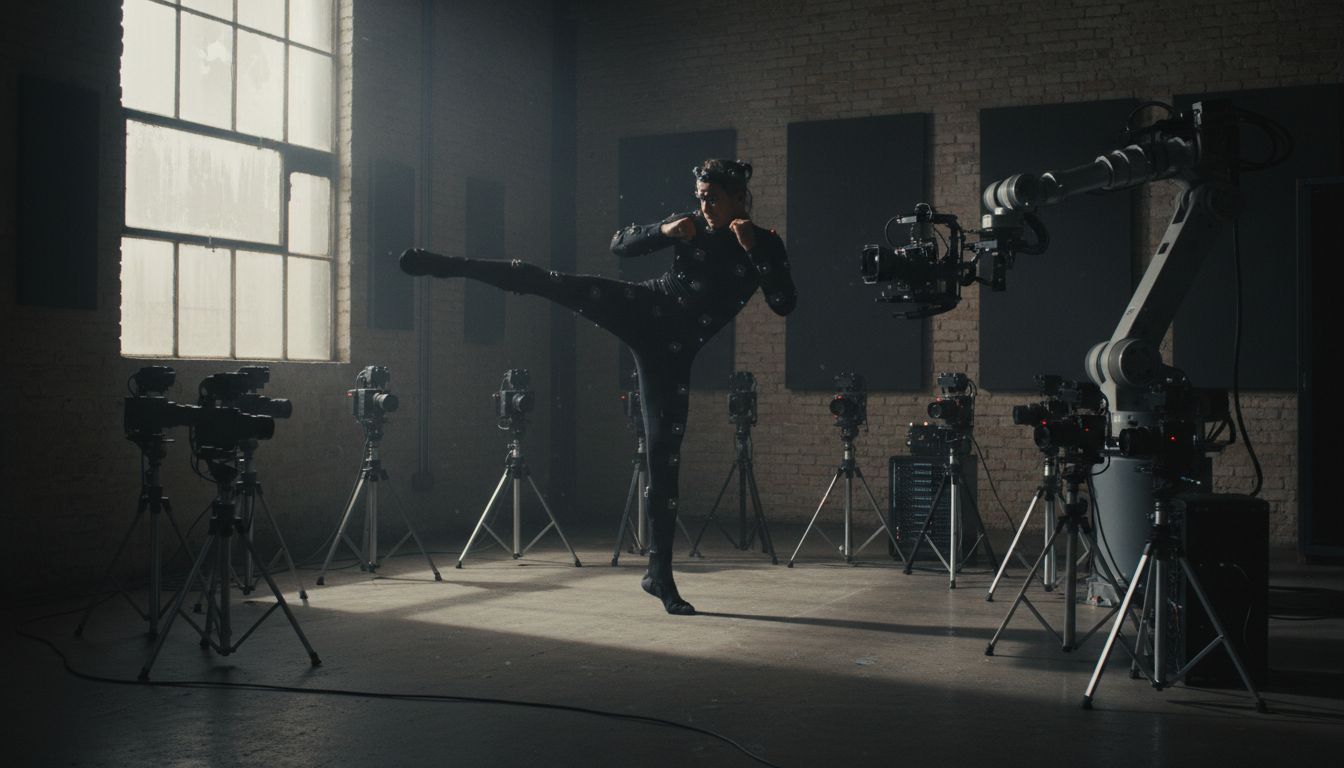
Mecka AI says it has raised a $60 million Series B led by Sequoia, placing the startup at the center of a broader investor push into robotics data infrastructure. Reported participants in the round include Nvidia and Microsoft’s venture fund M12, according to company materials and published coverage.
Observers are framing the deal as a bet on a specific layer of the robotics stack: collecting and organizing real-world motion data used to train machines for physical tasks. In that sense, the news is less about a consumer robot product and more about the data pipeline behind future humanoid and embodied AI systems.
What Mecka AI says it does
Mecka AI, founded in 2024, says it collects and analyzes human motion data for robot training. Its core pitch is that robots need large volumes of examples showing how people move through everyday environments and carry out routine actions.
Investors and founders in this category have argued that high-quality, human-generated data could become a critical input for robotics, much as specialized datasets became important in other areas of AI. Even so, broader claims about which company will dominate this market remain unproven based on the available reporting.
How the company gathers motion data
A notable part of Mecka’s model is that it reportedly pays people to record themselves performing everyday tasks. Coverage of the company describes participants using body sensors and smartphones to capture movements that can later be processed into training data.
The idea is to turn ordinary human actions into structured examples that robots can learn from. Supporters see that as a practical way to gather real-world physical data at scale, though the long-term value of any one company’s dataset will depend on how well that data improves deployed robotics systems.
Why investors are paying attention
The round reflects recurring interest in the tools and infrastructure around robotics, not just the robots themselves. A common view in the market is that if physical AI systems are going to improve quickly, they will need better streams of labeled or model-ready movement data.
That helps explain why startups focused on data collection, simulation, and deployment are attracting attention. Still, comparisons to earlier AI infrastructure winners should be treated as framing rather than established fact. Current reporting supports enthusiasm around the category, but not a definitive conclusion about Mecka’s long-term position relative to competitors.
Valuation and what remains unproven
TechCrunch previously reported that Mecka was nearing a Sequoia-led round at roughly a $500 million valuation. That figure is best understood as prior reporting tied to deal discussions, not as a standalone measure of technical leadership or market share.
What appears well supported is the financing itself and the company’s business model around motion-data collection for robotics. What remains less clear from public reporting is how differentiated Mecka’s data will be over time, how efficiently that data translates into better robot behavior, and how durable investor excitement in the category will prove to be.