Rocket Lab's Electron Rocket Completes Its 100th Launch With Japanese Radar Satellite
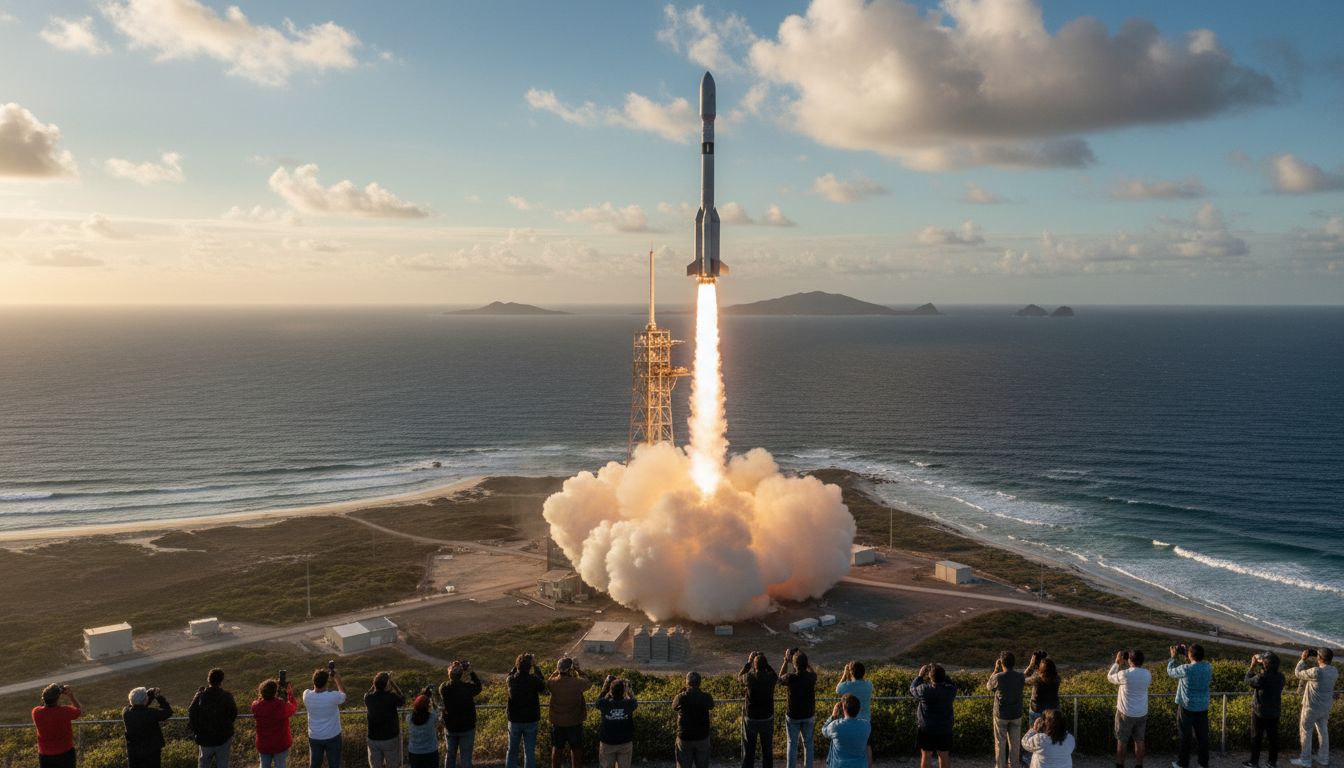
Rocket Lab's Electron Rocket Completes Its 100th Launch With Japanese Radar Satellite
Rocket Lab's Electron rocket reached a significant milestone on November 14, 2026, completing its 100th launch. The mission carried the YAMATSUMI-II (QPS-SAR-19) satellite, a synthetic aperture radar spacecraft built for Japanese Earth-observation company iQPS, and placed it into a 575-kilometer orbit at a 42-degree inclination.
Rocket Lab's Electron Reaches a Landmark 100th Launch
The November 14 flight marked the 100th time Electron has flown since the small launch vehicle began operations. Rocket Lab has described the milestone as the fastest any commercially developed rocket has reached 100 launches, a characterization that has circulated widely across industry coverage of the event. The mission's payload, YAMATSUMI-II, joins a growing constellation of radar-imaging satellites designed to capture Earth-observation data regardless of weather or lighting conditions.
A Long-Running Partnership with iQPS
This launch was also notable as the 11th consecutive successful Electron mission flown on behalf of iQPS, the Japanese company behind the YAMATSUMI-II satellite. Every prior Electron launch carrying an iQPS payload has reached orbit successfully, a track record that has apparently reinforced the relationship between the two companies. iQPS has reportedly contracted seven additional dedicated Electron launches through 2030, suggesting the partnership is expected to continue for several more years.
Continuing a pattern seen in earlier missions, this launch carried a mythological nickname, "The Mountain God Rises," following iQPS's practice of naming its satellite deployments after figures from mythology.
From First Flight to a Century of Launches
Electron's journey to its 100th launch traces back to January 2018, when the rocket achieved its first successful orbital deployment. In the years since, Rocket Lab has built out launch infrastructure at sites in Mahia, New Zealand, and at Wallops Island, Virginia, enabling a higher launch cadence than many of its early competitors in the small-satellite launch sector. The progression from early test flights to a rocket now routinely reaching orbit underscores Electron's established position as a frequently flown commercial launch vehicle.
What the Milestone Means for the Industry
Much of the coverage describing Electron's milestone as the fastest path to 100 launches among commercially developed rockets traces back primarily to Rocket Lab's own public statements. Trade and mainstream space-industry outlets have corroborated the basic facts of the launch and its orbital parameters, but the superlative framing around being "fastest to 100" originates largely from company messaging rather than independent verification. A recurring theme in industry discussion is that milestones like this are frequently amplified through press releases before being picked up more broadly, a common pattern in commercial spaceflight reporting generally.
Beyond the milestone framing, the mission carries practical significance for the broader Earth-observation sector. Synthetic aperture radar satellites like YAMATSUMI-II support use cases ranging from disaster monitoring to maritime surveillance, and continued launch reliability is often viewed as important for companies like iQPS that are building out multi-satellite constellations. For Rocket Lab, reaching 100 Electron launches may reinforce its competitive standing in the small-satellite launch market, an industry segment that has seen increasing activity in recent years.