Revolutionary Human-Machine Interface Hardware Is Transforming How We Interact with Technology
The way humans interact with technology is changing at breakneck speed. Brain-computer interfaces, advanced haptic feedback systems, and neural prosthetics are leaving research labs behind and entering the real world—transforming everything from medical treatment to gaming along the way.
Brain-Computer Interfaces Hit Their Stride
After years of experimental work, brain-computer interfaces are finally ready for prime time. Non-invasive neural sensors can now read brain signals with remarkable accuracy and respond in real-time, making seamless thought-to-action control a reality rather than science fiction.
Major tech companies and research institutions are pouring money into this space, accelerating development across the board. The result? Better neural signal processing, smarter machine learning algorithms that understand brain patterns, and hardware that's small enough to actually use in everyday situations.
We've moved way beyond simple on-off commands. Today's systems can interpret complex intentions and translate them into nuanced digital actions, fundamentally changing what it means to control a computer.
Healthcare Leads the Revolution
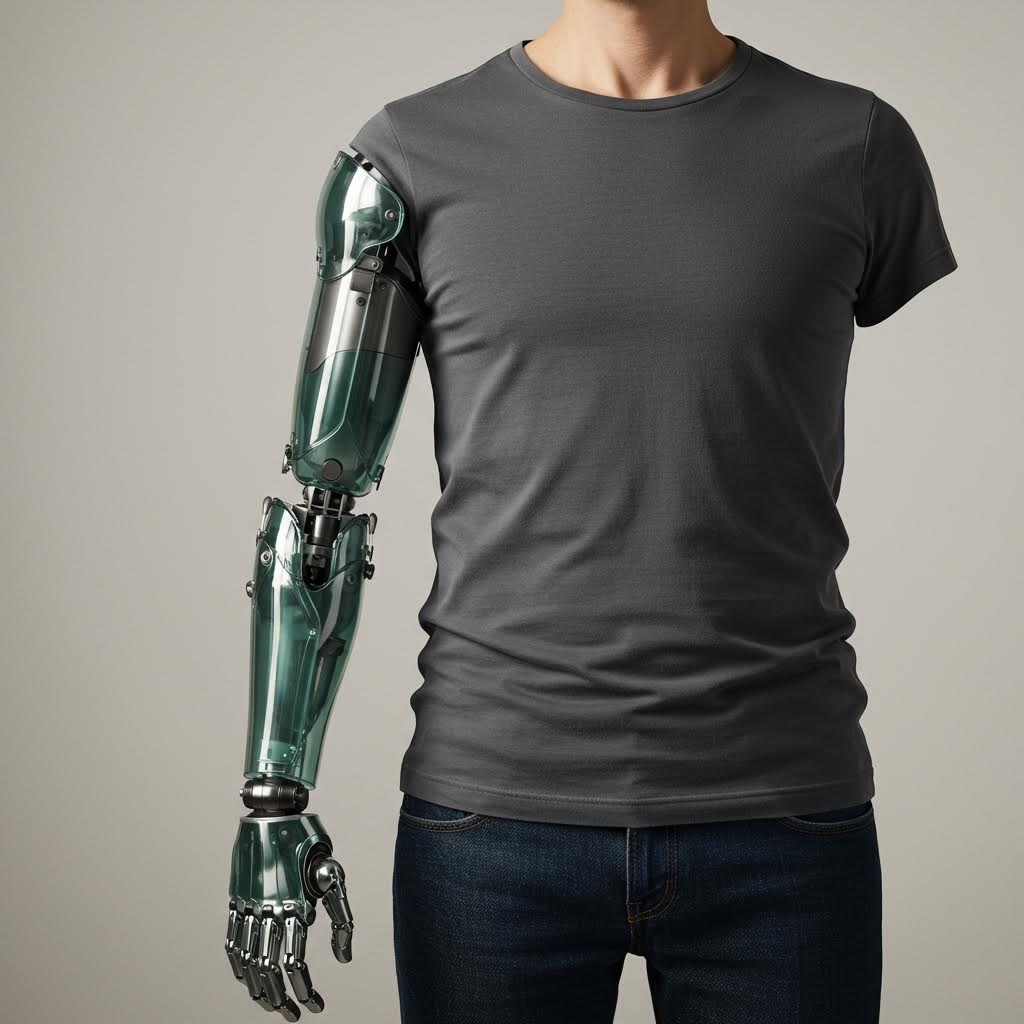
Medical applications are driving the most impressive breakthroughs. Neural prosthetics now let people control robotic limbs with their thoughts alone, giving unprecedented independence to those with paralysis or amputations.
For stroke and spinal cord injury patients, these interfaces are game-changers. They can bypass damaged neural pathways and help restore motor function through targeted brain training exercises that accelerate recovery.
Recent FDA approvals and successful clinical trials are opening doors across multiple conditions. These regulatory wins are establishing the safety standards and treatment protocols that will guide wider medical adoption.
Haptic Feedback Gets a Major Upgrade
Haptic technology has evolved far beyond basic vibration. Today's systems create sophisticated touch experiences that feel remarkably close to the real thing, generating precise pressure, texture, and even temperature sensations.
When combined with VR and AR platforms, advanced haptics create truly immersive experiences. Users can actually feel virtual objects, experience realistic textures, and get spatial feedback that makes digital environments feel tangible.
The hardware is getting smaller too. New wearable haptic devices integrate seamlessly into gloves, clothing, or accessories while maintaining high-resolution feedback that's comfortable for extended use.
Gaming and Consumer Markets Take Notice
The gaming industry is embracing these technologies to create more intuitive experiences. Modern controllers respond to muscle movements, track eye motion, and even pick up basic neural signals for more natural gameplay.
VR and AR applications benefit the most from these advances. Players can manipulate virtual objects with hand gestures, navigate through thought commands, and feel realistic haptic feedback during play.
Early consumer products are finding their audience, mainly among tech enthusiasts for now. But prices are dropping as manufacturing scales up and components become cheaper.
Technical Hurdles and Breakthroughs
Moving massive amounts of neural data in real-time remains a major challenge. Recent advances in signal processing and data compression are making it possible to communicate between brain tissue and external devices without overwhelming the system.
New biocompatible materials can maintain functionality for extended periods when implanted in the body. These materials resist degradation, minimize immune reactions, and keep their electrical properties stable over time.
Real-time signal processing has gotten incredibly sophisticated, using machine learning techniques that adapt to individual brain patterns. These systems actually learn and improve their accuracy over time, providing more reliable and responsive interfaces.
Privacy, Ethics, and What's Next
Neural interface technology raises serious questions about data security and privacy. Brain signals are about as personal as data gets, requiring robust protection frameworks and encryption standards.
Regulatory bodies are working to establish comprehensive guidelines for handling neural data, ensuring device safety, and maintaining ethical research practices. The goal is balancing innovation with individual rights and safety.
Industry experts predict gradual mainstream adoption across different sectors. Medical applications will lead, followed by specialized professional uses, and eventually broader consumer adoption. We're likely looking at the next decade for widespread implementation, with major milestones expected in the next five years.
As these technologies mature, they promise to fundamentally change human-computer interaction. Traditional input devices like keyboards and mice may become obsolete, replaced by direct neural control and opening entirely new possibilities for human augmentation.