No Verified Evidence Yet for SpaceX ‘AI1’ Orbital Data Center Claim
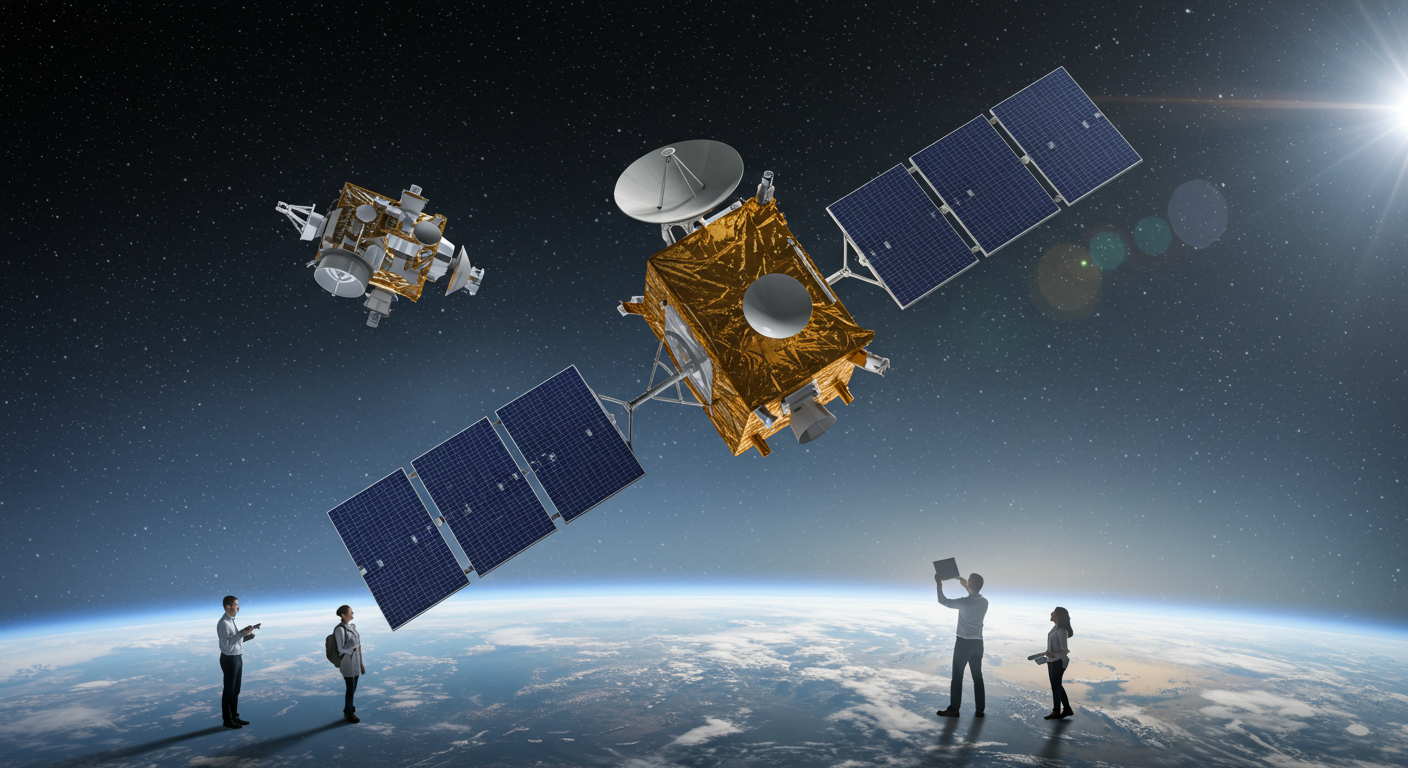
Claims are circulating that SpaceX has unveiled “AI1,” described as a 230-foot orbital data center designed to run AI computing workloads in space. It is a striking idea, but the central question is verification: the currently available source set does not directly confirm that SpaceX made this announcement.
What’s being claimed about SpaceX’s supposed “AI1” orbital data center
The rumor is unusually specific. It describes a project called “AI1” as a massive orbital data center wider than a Boeing 747 and built to handle AI workloads in space. Claims with this level of detail set a high bar for evidence, especially in aerospace, where major hardware announcements usually leave a clear public record.
For that reason, the story should not be treated as established fact unless there is an official SpaceX statement or strong article-level reporting from reputable outlets that confirms it.
What can actually be verified right now
Based on the available material, there is no direct article, press release, launch notice, executive comment, or product page from SpaceX confirming an “AI1” orbital data center. Broad official pages such as SpaceX updates and media pages are reasonable places to check, but they do not by themselves prove that a specific announcement exists.
The same caution applies to broad topic pages from major news organizations. Reuters, Bloomberg, TechCrunch, and Ars Technica all publish space or technology coverage that can help readers track developments, but section indexes alone do not verify a specific report.
Without a primary source or strong independent reporting, the most defensible conclusion is that the claim remains unverified.
Why the sourcing gap matters
Extraordinary claims about new space infrastructure require more than reposted summaries, viral social media posts, or generic landing pages. A genuine SpaceX announcement about an orbital AI data center would be a major industry development and would likely include details about mission architecture, intended use, launch planning, and technical constraints.
When that documentation is not readily visible, several explanations are possible: the story could be a rumor, a misunderstanding of another project, or a speculative concept retold as confirmed news. That is why precise sourcing matters.
How reputable outlets would typically corroborate a claim like this
If a project like this were real, verification would usually begin with SpaceX itself. Reporters and analysts would look for an official company update, press material, public remarks from executives, or references in launch planning.
After that, independent confirmation from outlets such as Reuters, Bloomberg, Ars Technica, or TechCrunch would help establish credibility. Those reports would typically include technical details such as power generation, thermal management, communications links, launch vehicle integration, radiation hardening, and the intended customers or mission profile.
For a claim this large, the absence of those specifics stands out.
If it were real, what an orbital AI data center would imply
As a concept, on-orbit computing is not far-fetched. Companies and governments have explored ideas involving in-space data processing, Earth observation analytics, and specialized defense or communications use cases where processing data closer to the source could offer advantages.
But an orbital AI data center would face serious engineering and economic hurdles. It would need substantial power generation, effective thermal management, shielding or tolerance for radiation, reliable communications capacity, and a credible plan for deployment and maintenance. Launch costs and hardware survivability would also be central concerns.
That context helps explain why the claim drew attention, but it should not be mistaken for evidence that SpaceX has announced such a system.
Bottom line
For now, the claim that SpaceX unveiled “AI1,” a 230-foot orbital AI data center, should be treated as unconfirmed. The currently available source set does not include direct evidence from SpaceX or clear article-level corroboration from major reporting organizations.
Until stronger documentation emerges, the responsible framing is not that “SpaceX unveiled AI1,” but that an eye-catching claim is circulating without solid verification. For a story this significant, confirmation should come before certainty.