Musk's Terafab: Inside the $16.8 Billion Bet on the World's Largest Building
Musk's Terafab: Inside the $16.8 Billion Bet on the World's Largest Building
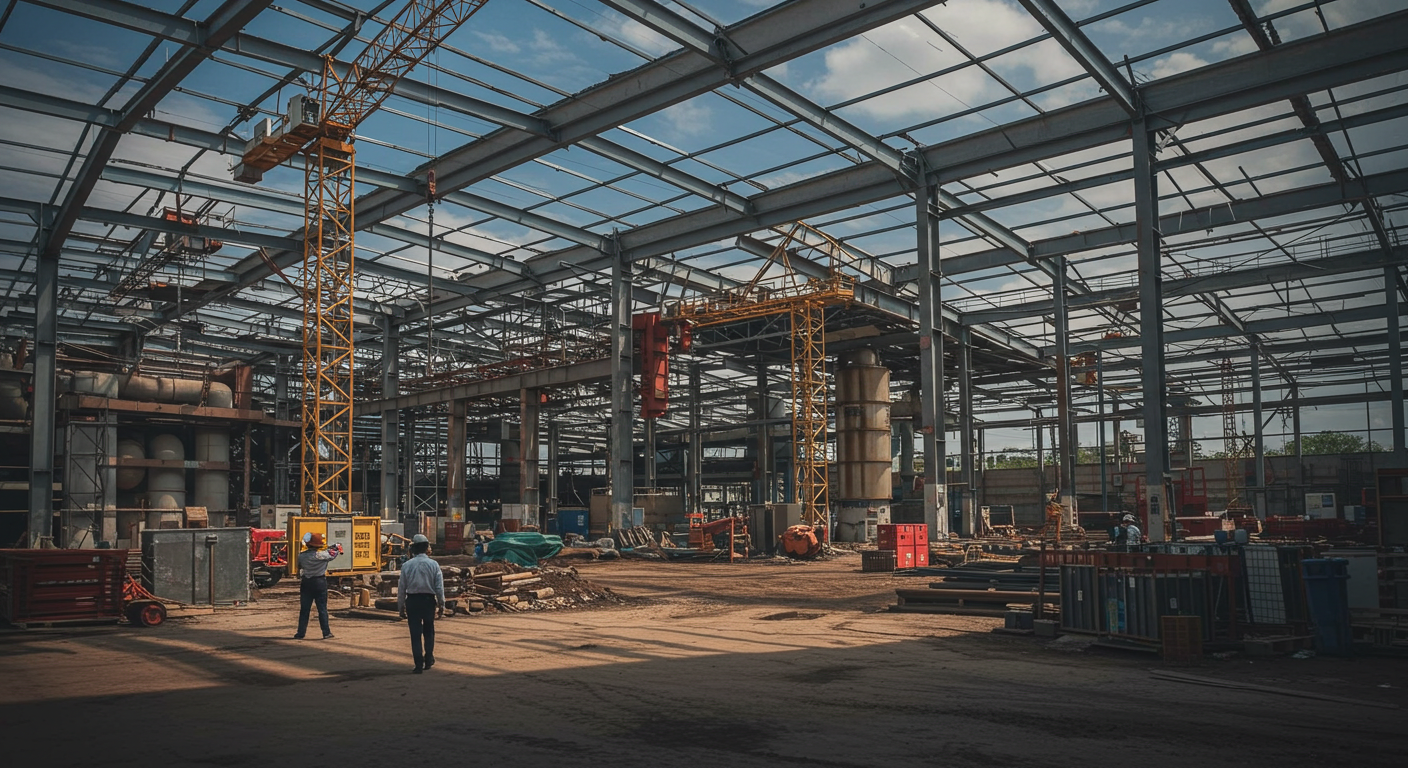
Tesla and SpaceX have jointly announced a $16.8 billion initial investment in a semiconductor manufacturing facility called Terafab, planned for Grimes County, Texas. According to company statements, the facility could eventually exceed 100 million square feet, a figure that, if realized, would dwarf the current record holder for the world's largest building, Chengdu's New Century Global Center at roughly 18.9 million square feet.
Much of the framing around the project's scale echoes Elon Musk's own description of it as the "largest and most valuable building on Earth by far." Observers note that such striking language originates primarily from Musk and company channels rather than from independent measurement or third-party verification at this early stage.
The Numbers Behind the Announcement
Regulatory filings from SpaceX suggest that total project costs could eventually reach as much as $119 billion across multiple phases of construction, though this figure describes a long-term, multi-phase vision rather than a confirmed near-term expenditure. State officials and company representatives have pointed to at least 3,000 jobs promised across Grimes and Brazos counties as an early, more concrete benefit of the project.
A recurring point raised by industry watchers is that the scope and scale described publicly were reportedly not addressed in detail during SpaceX's most recent public earnings call, a discrepancy that has prompted some cautious questions about how firmly these figures are locked in versus how much remains aspirational.
Why Musk Says This Matters: The AI Compute Argument
Musk and company messaging have positioned Terafab as critical infrastructure to meet surging AI-driven compute demand, tying the project to a broader vision that includes Optimus robots, robotaxis, and even space-based data centers. Some of this framing extends into distinctly speculative territory, including references to supporting a future "galactic civilization," language that blends concrete investment figures with long-range, unverified ambitions.
It is worth distinguishing between the company's vision-setting rhetoric and its verifiable near-term plans, such as the initial investment figure and the Texas location, which have been corroborated across multiple outlets.
Public Money, Public Pushback
Texas state and local officials, including Governor Greg Abbott, have publicly championed the project as a major economic development win for the region. Reported incentives include a Texas Enterprise Fund grant and tax freeze arrangements tied to the state's Jobs, Energy, Technology, and Innovation (JETI) program.
At the same time, a recurring concern has emerged around transparency. Local residents raised questions about the tax break arrangements and the overall transparency of the process at a recent county meeting, reflecting tension between the optimistic economic-development narrative promoted by officials and the more skeptical reception among nearby residents.
Environmental and Logistical Questions
SpaceX has committed to sourcing water for the facility from the Gibbons Creek Reservoir rather than drawing on local groundwater, a move the company frames as addressing concerns about strain on regional water resources. Whether this approach will fully offset the facility's long-term water demands remains an open question, and further detail has not yet been made public.
Intel's role in the project has also been referenced in public statements, but specifics about the nature and extent of its involvement remain vague across available reporting.
Reading Between the Press Releases
Taken together, much of what is publicly known about Terafab's scale and long-term mission originates from Musk's own statements and company communications rather than from independently verified data. Multiple outlets have corroborated the core elements of the story, including the $16.8 billion initial investment figure and the Grimes County location, lending credibility to those baseline facts.
However, the more expansive claims, regarding total size, ultimate valuation, and long-term vision, remain difficult to verify independently at this stage. This pattern is not unique to Terafab; it reflects a broader dynamic often observed in coverage of Musk-led ventures, where bold, high-profile announcements tend to outpace the availability of independently confirmed detail. Readers may want to treat the most sweeping figures with some caution until further verification emerges.