Meta Connect 2026: Ray-Ban Gen 3, Camera-Free Audio Glasses, and $1,300 VR Glasses Announced
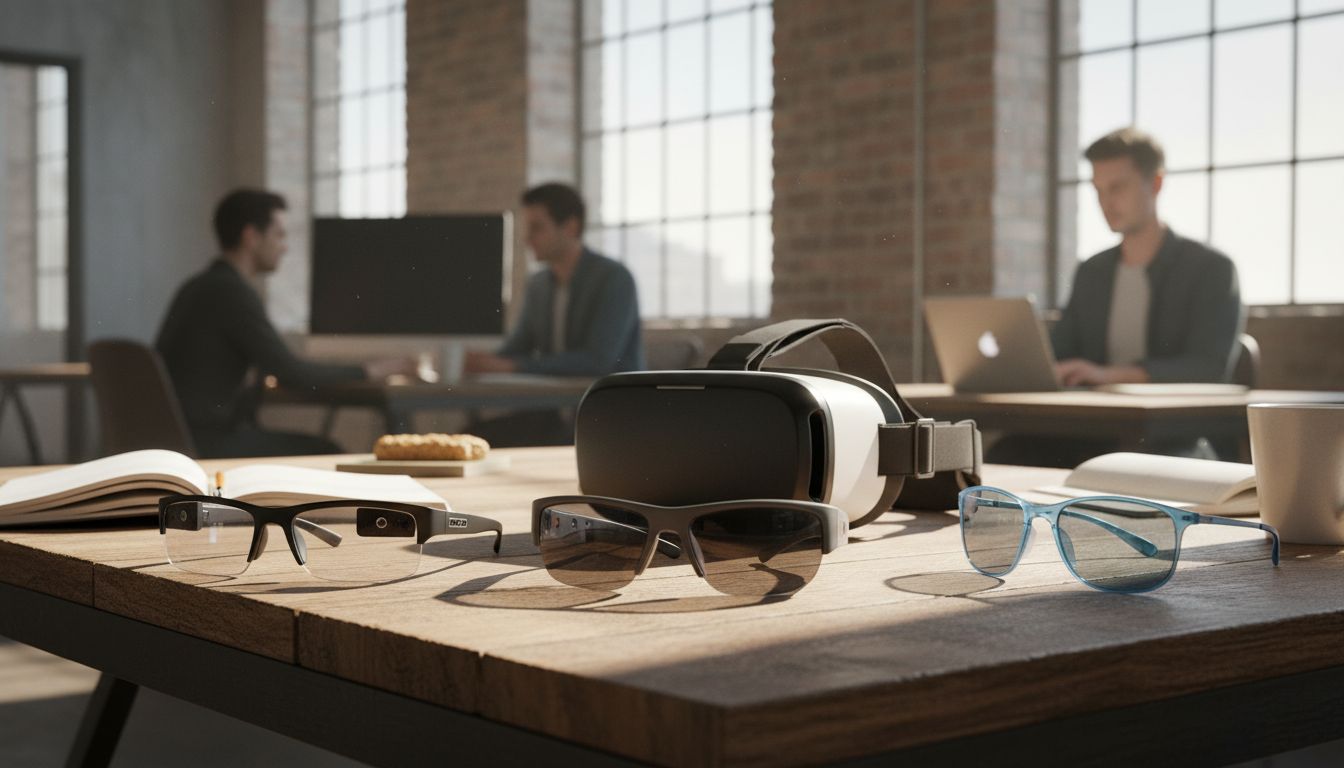
Meta Connect 2026: Three New Wearables, One Ambitious Bet on the Future of Glasses
Meta used its 2026 Connect event to unveil what may be its broadest hardware push yet, spanning virtual reality, audio-first eyewear, and mainstream smart glasses. The announcements span three distinct product lines: a $1,300 mixed-reality headset called Meta VR Glasses, a camera-free audio glasses line called Ray-Ban Meta Audio starting at $349, and an updated Ray-Ban Meta Gen 3 smart glasses model starting at $449.
The split in offerings appears deliberate. Camera-free audio glasses target privacy-conscious buyers who want Meta's AI and audio features without a built-in camera, while the Gen 3 smart glasses retain full camera and AI functionality for mainstream users. The VR Glasses, meanwhile, represent Meta's most ambitious wearable to date, aimed at users seeking a lightweight mixed-reality experience.
Meta VR Glasses: A Lighter, Pricier Bet on Mixed Reality
Meta says its new VR Glasses will cost $1,300 and launch in spring 2027. According to the company, the device weighs approximately 100 grams and runs on a Qualcomm Snapdragon Reality Elite chipset, a combination Meta positions as improving both comfort and performance compared to earlier headsets.
Early hands-on impressions, including a preview from Road to VR, describe per-eye resolution of roughly 5.5 megapixels with a refresh rate up to 120Hz, resulting in what that reviewer called notably sharp passthrough video. However, the device comes with tradeoffs: its field of view is reported at around 70 degrees, narrower than the 110-degree FOV on Meta's Quest 3, and battery life is rated at approximately three hours.
Road to VR's preview was largely favorable toward the display quality and form factor, comparing it favorably to competitors like Apple Vision Pro. That assessment is worth reading with some context, though: it was based on a roughly half-hour demo, and the outlet disclosed that Meta provided lodging for the reporter during the event, a potential conflict of interest worth noting. Longer-term comfort, fit across head sizes, and real-world battery performance remain unverified by independent testing.
Ray-Ban Meta Audio: Camera-Free Glasses for a Different Kind of Buyer
Ray-Ban Meta Audio starts at $349 and is set to ship October 13, 2026. Unlike other glasses in Meta's lineup, this model omits a camera entirely, positioning it toward buyers who want audio and AI assistant features without recording capability built in.
The camera-free design fits into a broader pattern in Meta's strategy: offering a lower-cost, privacy-forward entry point alongside its more feature-rich, camera-equipped models.
Ray-Ban Meta Gen 3: Incremental but Notable Upgrades
The Ray-Ban Meta Gen 3 starts at $449 and is available immediately. Meta and hands-on coverage from PCMag point to improved microphones and modestly longer battery life compared to the previous generation, while retaining the camera and AI features that have defined the line since launch.
Positioned as Meta's mainstream smart glasses option, Gen 3 appears aimed at buyers who want the full feature set — camera, AI assistant, and audio — in a single device, rather than the pared-down audio-only or premium mixed-reality alternatives.
Also Announced: Display Glasses Refresh and a New Hearing Feature
Meta also refreshed its Ray-Ban Meta Display glasses, with pricing set at $799 in the US, £749 in the UK, and $1,149 CAD in Canada, according to the company's announcements.
Separately, Meta introduced a new hearing enhancement feature priced at $149 as a one-time fee after a 30-day trial period, and reportedly eligible for FSA/HSA reimbursement. It's worth being clear about what this feature is and isn't: reporting describes it as a consumer wellness feature built into the glasses, not a medical device, and it should not be understood as a substitute for clinical hearing care or regulated hearing aids.
Software and Content: VR Gaming Gets New Life
Alongside the hardware announcements, Meta highlighted software updates aimed at giving new and existing devices more to do. Beat Saber is getting a new "Flux" mode launching with 35 songs, according to event coverage. Meta also confirmed that Phoenix Wright: Ace Attorney – Dual Destinies will get a VR port coming to both the new Meta VR Glasses and existing Quest headsets next year.
These content additions signal Meta's continued effort to pair new hardware releases with exclusive or enhanced entertainment offerings, a strategy aimed at giving early adopters of the pricier VR Glasses a reason to buy in before the broader ecosystem matures.
What It Means: Meta's Multi-Tier Wearables Strategy
Taken together, these announcements suggest Meta is betting on a full spectrum of wearable devices rather than a single flagship product. The $1,300 VR Glasses put Meta in more direct competition with premium mixed-reality headsets like Apple Vision Pro and Samsung's Galaxy XR, while the camera-free audio glasses and mainstream Gen 3 smart glasses compete on price and accessibility.
It's worth noting that most of the specific claims about pricing, specs, and release timing originate from Meta's own announcements as relayed by outlets covering the event, rather than from fully independent verification. Hands-on impressions from outlets like Road to VR and PCMag offer useful early context, but those assessments are based on limited demo time and, in at least one case, came with a disclosed relationship between the reporter and Meta. A recurring theme among observers is cautious optimism: the specs sound promising, but real-world performance, comfort over extended use, and long-term reliability remain to be seen once units reach wider hands.