Linux Migration Guide: Best Alternatives for Windows 11 Refugees
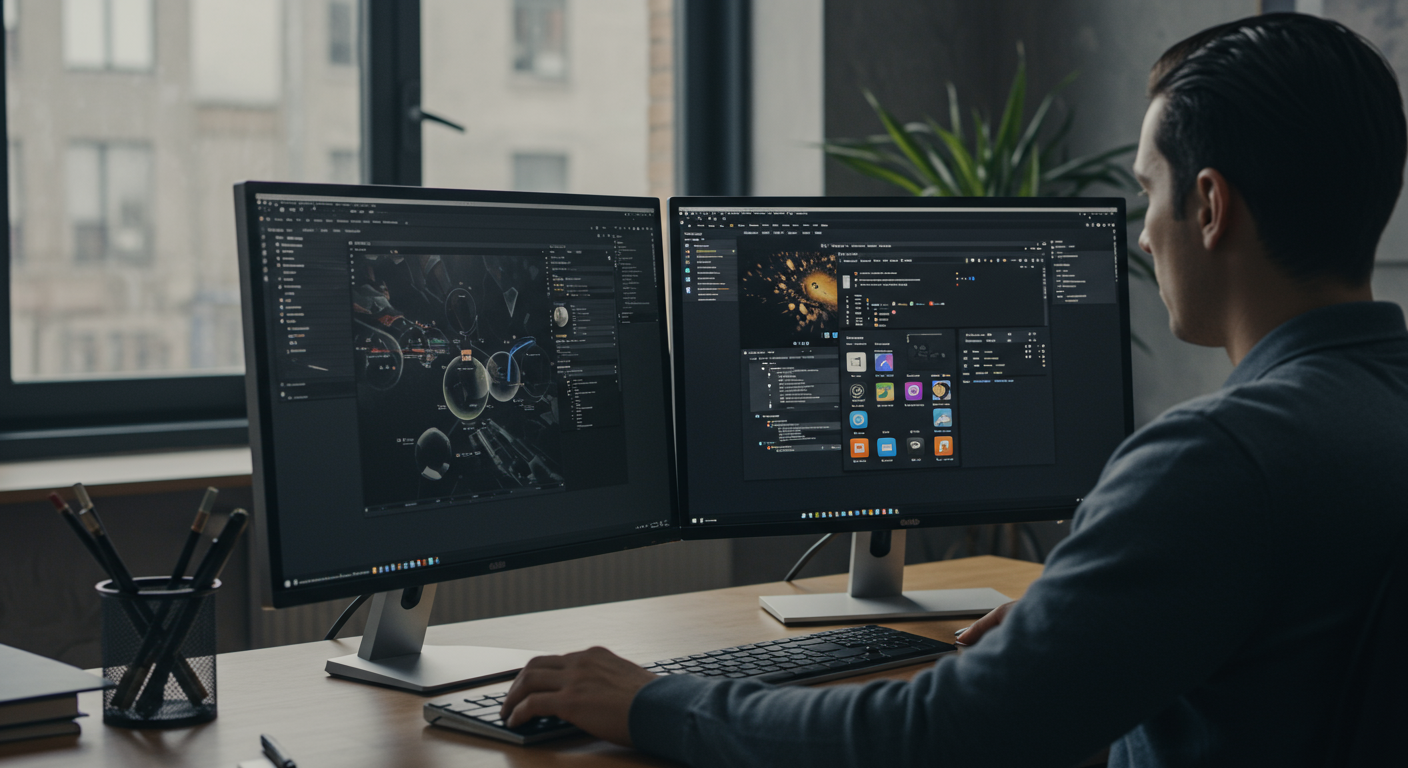
As Windows 11 continues to evolve with new requirements and interface changes, many users are questioning whether it's time to explore alternatives. Linux, once considered the domain of technical experts, has matured into a viable desktop operating system that addresses many common frustrations with modern Windows.
Why Consider Linux Over Windows 11?
Windows 11's strict hardware requirements have rendered older but capable machines incompatible, while increased telemetry and data collection have left many users seeking more control over their computing experience. Linux directly addresses these concerns with compelling advantages.
Privacy stands as a primary benefit—most Linux distributions collect minimal user data and provide transparent control over what information gets shared. Performance is another key advantage, as Linux typically runs efficiently on older hardware that Windows 11 no longer supports.
Linux's customization capabilities far exceed what Windows offers. Users can modify virtually every aspect of their desktop environment, from visual themes to core system behaviors. This level of control appeals to anyone who wants their computer to work exactly as they prefer.
Common misconceptions often deter potential users. The belief that Linux is only for programmers or requires extensive command-line knowledge is outdated. Modern Linux distributions offer graphical interfaces that rival Windows in ease of use, with most daily tasks accomplished through familiar point-and-click interactions.
Top Linux Distributions for Windows Refugees
Ubuntu remains the most popular choice for Windows migrants due to its focus on user-friendliness and extensive documentation. Its interface feels familiar to Windows users while providing the stability and security advantages of Linux. Ubuntu's large community ensures help is readily available when needed.
Linux Mint specifically targets users transitioning from Windows. Its desktop environment closely resembles Windows layouts, making the initial adjustment period smoother. Mint includes proprietary codecs and drivers out of the box, reducing post-installation configuration.
Pop!_OS has gained recognition among users who prioritize gaming and multimedia. Developed by System76, it includes gaming optimizations and graphics drivers pre-installed. This distribution appeals to users who want high performance without extensive manual configuration.
Fedora attracts users interested in cutting-edge features and the latest software versions. While slightly more technical than Ubuntu or Mint, Fedora provides access to newer technologies and serves as a preview of future Linux developments.
Each distribution targets different user preferences: Ubuntu for general reliability, Mint for Windows-like familiarity, Pop!_OS for gaming performance, and Fedora for latest features. The choice depends on individual priorities and comfort with technology.
Essential Software Alternatives
Office productivity needs are well-served by LibreOffice, which provides word processing, spreadsheets, and presentations compatible with Microsoft Office formats. While the interface differs from Microsoft Office, LibreOffice handles most business and personal document needs effectively.
Creative professionals can utilize GIMP for image editing, Kdenlive for video editing, and Audacity for audio work. These applications provide professional-grade capabilities, though they require learning new interfaces and workflows compared to Adobe products.
Web browsers and communication applications present no barriers to Linux adoption. Chrome, Firefox, and Edge all run natively on Linux. Popular communication tools like Slack, Discord, and Zoom offer native Linux versions or web-based access.
Gaming on Linux has improved dramatically with Steam's Proton compatibility layer, which allows many Windows games to run on Linux. Lutris provides additional gaming options by managing various compatibility tools and game launchers in a unified interface.
Migration Strategies: From Cautious to Complete
Dual-boot installation allows users to keep Windows while testing Linux. This approach provides a safety net during the transition period, letting users gradually become comfortable with Linux while maintaining access to Windows applications when needed.
Virtual machine testing offers the lowest-risk method to explore Linux. Users can install Linux within VirtualBox or VMware while running Windows, experiencing Linux without any changes to their primary system. This method works well for initial evaluation but provides limited performance for daily use.
Windows Subsystem for Linux provides Linux command-line access within Windows. This approach helps Windows users gradually learn Linux concepts and tools without leaving their familiar Windows environment. WSL serves as an excellent stepping stone for users interested in development work.
Complete replacement makes sense once users have identified Linux solutions for all their essential tasks. This approach maximizes Linux benefits but requires confidence in the transition and thorough preparation to ensure all needs are met.
Step-by-Step Installation Guide
Pre-installation preparation involves backing up important data and creating recovery media for the existing Windows installation. Users should identify critical applications and verify Linux alternatives exist for their workflows. Hardware compatibility checking ensures that essential components like Wi-Fi adapters and graphics cards will function properly.
Creating installation media requires downloading the chosen Linux distribution's ISO file and writing it to a USB drive using tools like Rufus or Balena Etcher. Most modern computers can boot from USB, though BIOS settings may need adjustment to prioritize USB boot.
Ubuntu installation provides a straightforward process with clear options for disk partitioning and user account setup. The installer guides users through language selection, keyboard layout, and installation type. For dual-boot setups, the installer can automatically resize Windows partitions to make space for Linux.
Post-installation setup includes installing additional software through the package manager, configuring system updates, and personalizing the desktop environment. Ubuntu's Software Center provides easy access to thousands of applications, while the update manager keeps the system secure with automatic security patches.
Overcoming Common Hurdles
Hardware compatibility issues occasionally arise, particularly with newer or specialized components. Most problems have solutions through additional drivers or alternative software. The Linux community maintains extensive hardware compatibility databases that help users identify potential issues before installation.
Managing the learning curve involves accepting that some tasks will initially take longer while building familiarity with new tools and interfaces. Online tutorials, documentation, and community forums provide extensive learning resources. Setting realistic expectations helps users persist through the initial adjustment period.
Community support represents one of Linux's greatest strengths. Distribution-specific forums, general Linux communities, and local user groups offer assistance ranging from basic questions to advanced troubleshooting. This community-driven support often provides more detailed help than traditional commercial support.
Linux may not suit every user or situation. Users heavily invested in specific Windows software without Linux alternatives, those requiring specialized hardware with Windows-only drivers, or users uncomfortable with any learning curve might find Linux unsuitable. Honest assessment of requirements helps determine whether Linux migration makes sense.
The decision to migrate from Windows 11 to Linux depends on individual priorities, technical comfort, and specific computing needs. Modern Linux distributions provide viable alternatives for most users, with migration strategies available to match different risk tolerance levels. Success requires realistic expectations, adequate preparation, and willingness to learn new approaches to familiar tasks.