JERA and Dell Sign MOU for $15 Billion, 400 MW AI Data Center in Japan
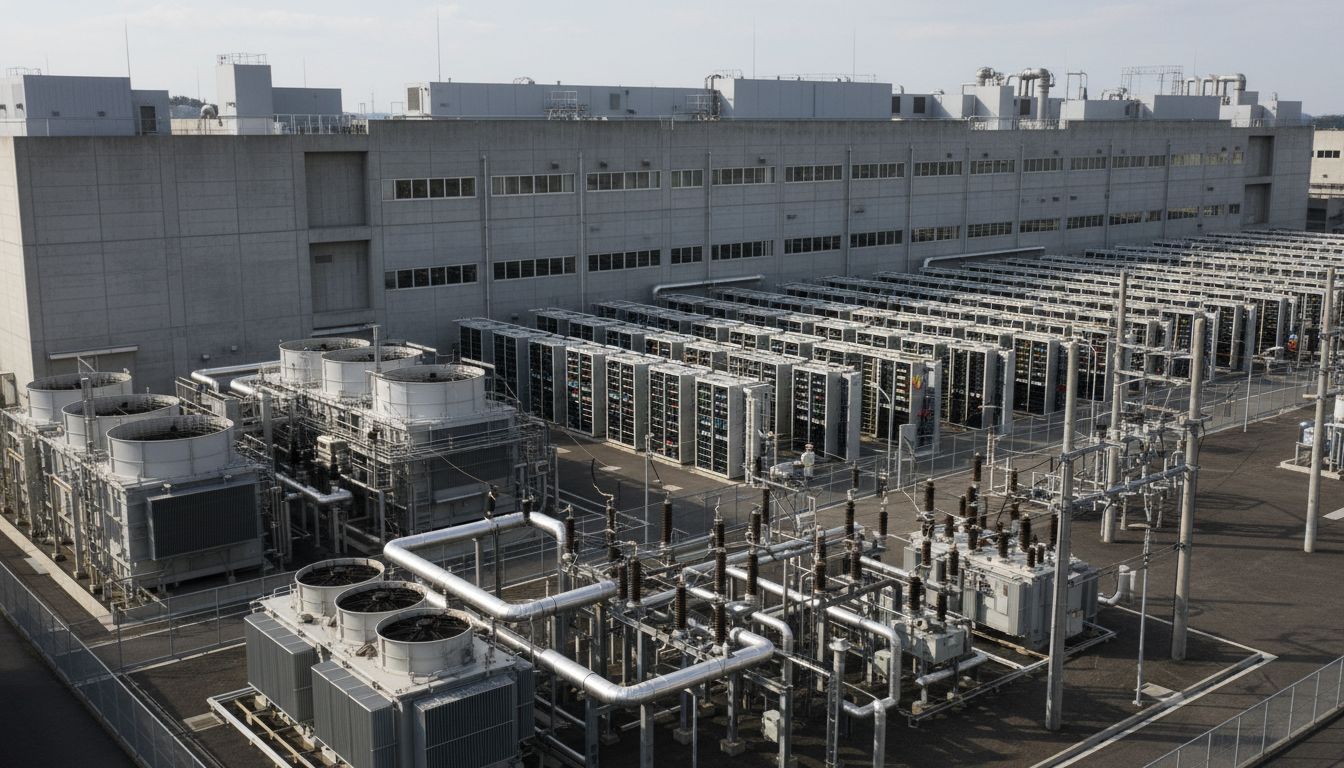
JERA and Dell Sign MOU for $15 Billion AI Data Center in Japan
JERA, Japan's largest power producer, has signed a memorandum of understanding with Dell Technologies and RHAELM to develop a 400 MW AI data center campus in Chiba, in the greater Tokyo area. Apollo Global Management is reportedly involved as a financial and strategic partner on the deal. Many observers note that the project, if it proceeds as outlined, would represent one of the largest single-site AI infrastructure efforts announced in Japan to date.
It's worth emphasizing that the $15 billion investment figure and 400 MW capacity target are company-stated figures tied to a memorandum of understanding rather than a finalized, binding agreement. MOUs typically signal intent and set the framework for future negotiation, but they do not guarantee that a project will be built exactly as described, on the stated timeline, or at the stated cost. A recurring concern with early-stage infrastructure announcements of this kind is the gap between initial MOU framing and what ultimately gets built.
Even so, the announcement is notable for positioning JERA — primarily known as an energy producer — as a direct enabler of AI infrastructure growth, reflecting how electricity supply has become a central bottleneck and bargaining chip in large-scale data center development.
Project Scope, Timeline, and Power Supply Arrangement
According to the companies, the project would roll out in phases, with operations targeted to begin around 2028 and full 400 MW capacity reached by 2029. JERA is expected to supply up to 400 MW of power under a long-term arrangement reportedly spanning roughly 15 to 25 years.
These timelines and capacity targets should be understood as projections contingent on definitive agreements being reached following the MOU, rather than confirmed outcomes. Large infrastructure projects of this scale commonly face delays, scope adjustments, or renegotiation between the MOU stage and final construction, so readers should treat the 2028-2029 targets as aspirational rather than fixed.
The companies have also signaled an ambition to use this campus as a replicable model for future AI infrastructure deployments elsewhere in Japan, though what exactly that would entail in practice has not been detailed publicly.
Part of a Broader Wave of AI Infrastructure Investment in Japan
This announcement follows a separate commitment from Microsoft, which earlier in 2026 pledged $10 billion toward AI infrastructure, cybersecurity, and workforce development in Japan. Taken together, these moves suggest that Japan is emerging as a significant focal point for large-scale AI infrastructure investment, likely reflecting a combination of available energy capacity, geographic positioning for regional data demand, and a policy environment seen as receptive to such projects.
JERA, Dell, and RHAELM have also floated plans for multi-gigawatt AI data center expansion in Japan during the 2030s. This should be treated as a longer-term ambition rather than a concrete commitment — the companies have not published binding plans or timelines for this broader expansion, and it remains speculative at this stage.
What Remains Unconfirmed
Several aspects of this deal warrant caution. First, the project is at the MOU stage: non-binding and subject to further negotiation before any definitive agreement is reached. Second, the widely cited financial and capacity figures — the $15 billion investment and 400 MW capacity — originate primarily from company statements and a single Reuters wire report that has been redistributed across numerous trade and financial outlets, with limited independent corroboration beyond that initial reporting chain.
Current public reporting also offers little detail on environmental impact, feasibility challenges, or risk factors associated with the project, which some industry observers consider a notable gap for an infrastructure commitment of this size. For the project to proceed as described, the parties would need to finalize definitive agreements beyond the initial MOU, and the project would likely need to clear relevant regulatory and permitting steps in Japan. Until those steps occur, the specifics of cost, capacity, and timeline should be treated as the companies' stated intentions rather than settled fact.