Interactive AI Drawing Assistants: Revolutionizing Digital Art Creation
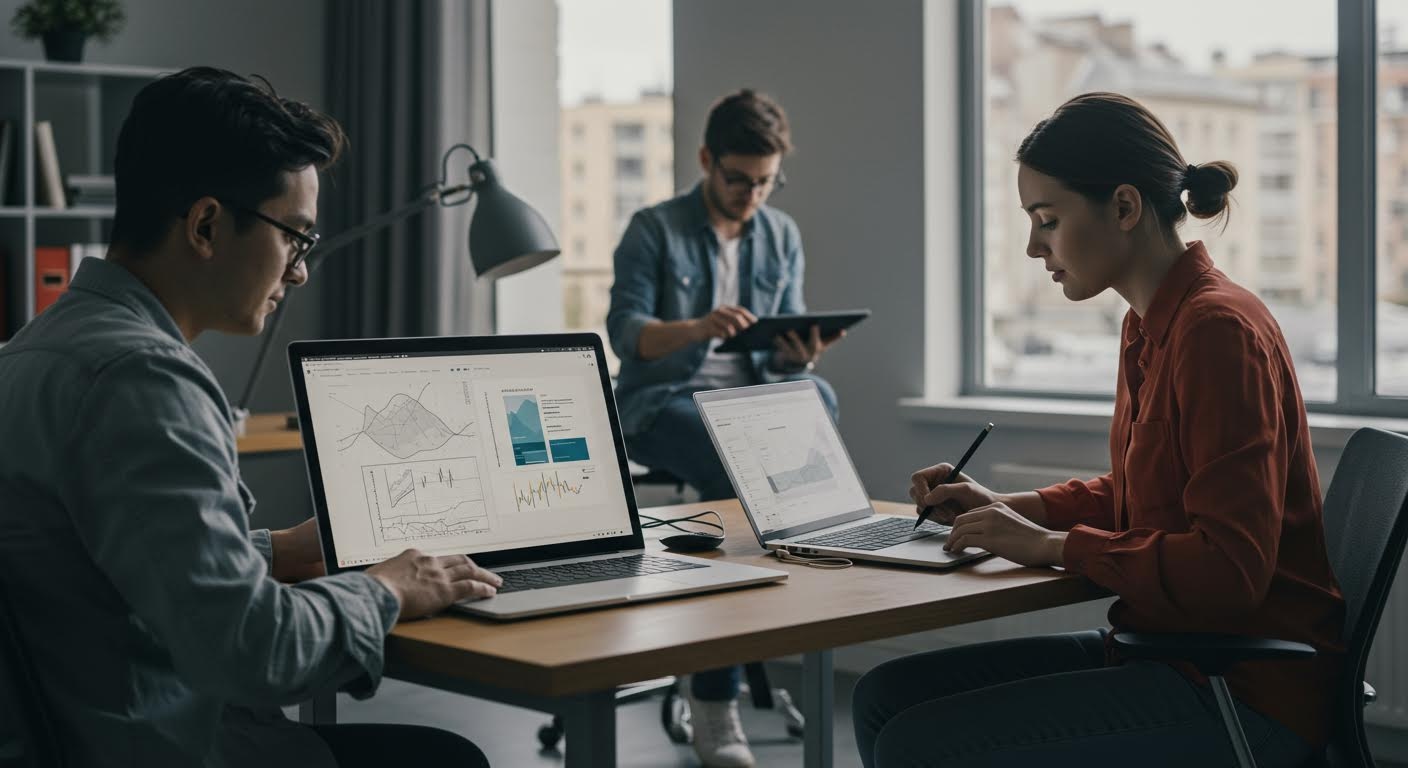
Interactive AI drawing assistants are transforming digital art creation, offering powerful capabilities that blend human creativity with artificial intelligence. These advanced tools go far beyond traditional drawing software, providing real-time assistance, creative suggestions, and automated features that enhance the artistic process for everyone from beginners to seasoned professionals.
What Are Interactive AI Drawing Assistants?
Interactive AI drawing assistants are creative software tools that use artificial intelligence to help users create, modify, and enhance digital artwork. Unlike simple text-to-image generators, these platforms provide ongoing interaction throughout the creative process, offering suggestions, completing partial sketches, and adapting to individual artistic styles.
The core technology relies on machine learning algorithms trained on massive datasets of artwork, enabling the AI to understand artistic concepts, styles, and techniques. When users start drawing or provide creative input, the AI analyzes the work in progress and offers contextually relevant assistance—whether through style recommendations, automatic line completion, or color palette suggestions.
What sets these tools apart from basic image generators is their interactive nature. Rather than simply producing finished images from text prompts, they engage in a collaborative creative dialogue, learning from user preferences and providing assistance that evolves as the artwork develops.
Leading Platforms and Their Unique Features
OpenAI's DALL-E 2 has established itself as a major player in AI-generated imagery, offering sophisticated text-to-image generation alongside powerful editing features. Users can create detailed artwork from descriptive prompts and make precise modifications to existing images through natural language instructions.
Stability AI's Stable Diffusion takes a different approach with open-source accessibility, allowing developers and artists to customize the platform extensively. This openness has created a vibrant community of creators who modify and enhance the base technology for specialized applications.
Adobe has integrated AI capabilities throughout its creative suite, with Adobe Fresco leading the way in AI-enhanced drawing experiences. The platform combines traditional digital painting tools with intelligent features like automatic brush selection, style matching, and collaborative AI suggestions that adapt to individual artistic workflows.
Specialized platforms like Procreate Dreams focus on specific creative niches, while RunwayML offers comprehensive AI tools for various creative applications beyond drawing. These diverse platforms serve different user needs, from casual hobbyists to professional creative teams.
Interactive Features Transforming the Creative Process
Real-time style suggestions represent one of the most impactful features of modern AI drawing assistants. As artists work, the AI analyzes their techniques and offers relevant style recommendations, helping maintain consistency or explore new artistic directions without interrupting the creative flow.
Collaborative AI functionality enables these tools to learn from individual user preferences over time. The more an artist uses the platform, the better the AI becomes at anticipating their needs and providing relevant assistance, creating a personalized creative partnership.
Smart brushes and intelligent layer management automate many technical aspects of digital art creation. These features handle complex tasks like blending modes, layer organization, and brush dynamics, allowing artists to focus on creative decisions rather than technical details.
Prompt-based iteration workflows enable rapid exploration of creative concepts. Artists can describe desired modifications or entirely new directions using natural language, with the AI generating multiple variations for consideration and further refinement.
Impact on Artists and Creative Industries
The democratization of art creation stands as one of the most significant impacts of AI drawing assistants. These tools enable individuals without traditional artistic training to create sophisticated artwork, expanding the creative community and lowering barriers to artistic expression.
Professional artists are discovering substantial productivity gains through AI integration into their workflows. Tasks that previously required hours of manual work can now be completed in minutes, allowing more time for conceptual development and creative refinement.
However, these advances raise important questions about authorship and creative authenticity. The art community continues to debate the role of AI in creative work and how to properly attribute artwork created through human-AI collaboration.
Economic implications extend throughout creative industries, with some freelance artists reporting increased competition from AI-generated content, while others leverage these tools to expand their service offerings and improve efficiency.
Commercial Applications Across Industries
Marketing and advertising teams use AI drawing assistants for rapid concept generation, enabling quick visualization of campaign ideas and product concepts. The ability to iterate quickly through multiple design variations accelerates the creative approval process and reduces development costs.
The entertainment industry has embraced these tools for game design and film pre-visualization. Concept artists use AI assistants to explore character designs, environment concepts, and storyboard development, significantly speeding up the pre-production process.
Educational institutions are integrating AI drawing tools into art curricula, providing interactive learning experiences that help students understand artistic techniques and explore creative possibilities. These platforms serve as both teaching aids and creative sandbox environments for skill development.
Publishing and media companies utilize AI assistants for illustration and content creation, particularly for digital publications where visual content needs can be extensive and deadlines tight.
Technical Evolution and Future Developments
Continuous improvements in prompt understanding and context awareness are making AI drawing assistants more intuitive and responsive to user intentions. Enhanced natural language processing enables more nuanced creative directions and better interpretation of artistic goals.
Integration with traditional creative software ecosystems continues to deepen, with major platforms developing plugins and extensions that seamlessly incorporate AI features into established workflows. This integration reduces learning curves and maximizes adoption among professional users.
Emerging trends in collaborative human-AI creativity focus on creating more sophisticated partnerships between artists and AI systems. Future developments may include AI that can engage in creative brainstorming sessions and provide strategic artistic guidance beyond technical assistance.
Anticipated developments in real-time rendering and interaction promise even more responsive creative experiences. As processing power increases and algorithms improve, the delay between user input and AI response continues to decrease, enabling more fluid creative collaboration.
Interactive AI drawing assistants represent a fundamental shift in how digital art is created and conceptualized. As these tools continue to evolve, they promise to unlock new forms of creative expression while challenging traditional notions of artistic process and authorship.