IBM's Nighthawk r3: A 520-Qubit Target and the Road to a 1,040-Qubit System by 2027
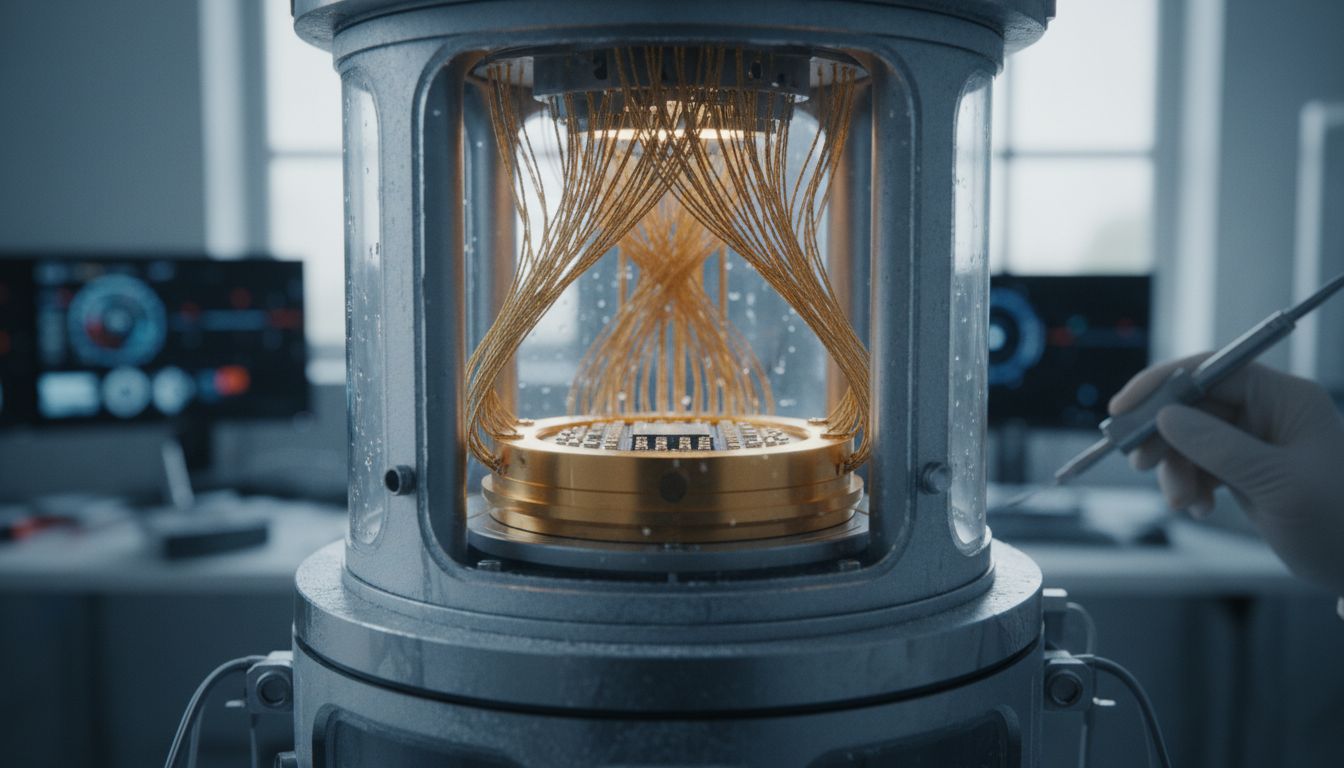
IBM's Nighthawk r3: A 520-Qubit Target and the Road to a 1,040-Qubit System by 2027
IBM has unveiled design plans for its next-generation Nighthawk r3 quantum processor, with a stated target of 520 programmable qubits and 2,034 total physical qubits. The company says the chip is designed to execute up to 10,000 quantum operations — though it's worth emphasizing upfront that this operation count is a forward-looking design goal, not a measured result from working hardware.
The centerpiece of IBM's announcement is a plan to connect two Nighthawk r3 processors into a single 1,040-qubit interconnected system by 2027. Many observers note that this would mark a significant step in IBM's modular approach to scaling quantum computers, though the system-level specifications for this planned architecture have not yet been published.
What's Confirmed vs. What's a Design Target
It helps to separate what IBM has already demonstrated from what it is proposing to build. The current-generation Nighthawk r2 processor — with 120 programmable qubits and 458 physical qubits — is reported by IBM and its partners to support more than 7,500 quantum operations at sample rates up to 100,000 per second. These figures reflect reported, in-use performance on existing hardware.
By contrast, the Nighthawk r3 specifications — 520 programmable qubits and a 10,000-operation target — are stated design goals rather than verified measurements. At least one outlet covering the announcement was explicit in drawing this distinction, cautioning that design targets should not be conflated with confirmed hardware performance. Readers should treat the 2027 roadmap, and the 1,040-qubit figure in particular, as an ambitious plan still to be realized.
Real-World Results From Nighthawk r2
According to IBM and its partners, roughly 34 billion circuits have been executed on the Nighthawk r2 processor, with workload-specific performance improvements reported as high as 19 times over prior systems. Several specific use cases have been cited in connection with these results:
- Energy company E.ON reported an approximate 15x speedup in a quantum machine learning application related to energy grid optimization.
- A joint IBM and Oak Ridge National Laboratory effort reported roughly a 12x speedup in simulating magnetic materials, with results described as consistent with neutron scattering data.
- Cleveland Clinic and RIKEN reported processing 608 million genomic data points using the system.
- An IBM and RIKEN collaboration using a sample-based quantum diagonalization, or SQD, approach reported workflows running approximately 5 times faster while handling about 100 times more computations. A related SQD study was published in Science Advances using up to 77 qubits and 10,570 gates in combination with the Fugaku supercomputer.
A recurring concern with announcements like this is that the performance figures originate primarily from IBM and its own partners, rather than from independent, third-party verification. This doesn't necessarily mean the results are inaccurate, but it does mean they should be read as self-reported rather than externally confirmed.
The Building Blocks for a Modular Quantum Future
Separately from the r3 announcement, IBM has demonstrated component-level technology intended to support future modular systems. Using Nighthawk r1 processors, the company reported an average chip-to-chip quantum state transfer fidelity of about 99%, with a maximum of 99.3%, achieved using a component called an l-coupler. IBM also reported connecting two cryogenic modules and reaching operating temperatures below 15 millikelvin in under five days.
These results are notable as technical milestones, but it's worth being cautious about over-interpreting them. Demonstrating a reliable connection between two chips, or cooling two modules together, is a meaningfully different achievement than operating a full, working 1,040-qubit interconnected system. These component-level results appear to function as groundwork for the 2027 goal rather than evidence that the full system has already been built or tested.
Reading the Announcement Critically
Coverage of IBM's Nighthawk r3 announcement has varied in how carefully it distinguishes confirmed results from future projections. Some reporting closely follows IBM's own press materials, reproducing performance claims and promotional framing with limited independent scrutiny. Other coverage has been more explicit about separating IBM's track record on Nighthawk r2 from the unverified design targets associated with Nighthawk r3.
Comparative claims — such as those involving the difficulty of simulating quantum results on classical computers, or specific speedup multipliers — are based on IBM's own framing of its results and have not been independently verified in the sources reviewed. A recurring theme among more cautious observers is that quantum computing announcements of this kind often mix genuine technical progress with forward-looking roadmap language, and that it's worth waiting for independent benchmarking before treating projected figures as established fact.
Taken together, IBM's Nighthawk r3 announcement outlines a plausible and technically grounded roadmap, built on real incremental progress with Nighthawk r1 and r2. Whether the 1,040-qubit system arrives on schedule in 2027, and performs as currently targeted, remains an open question that the broader quantum computing community will likely be watching closely.