Hyperscale AI Data Centers and the Energy Crisis They Create
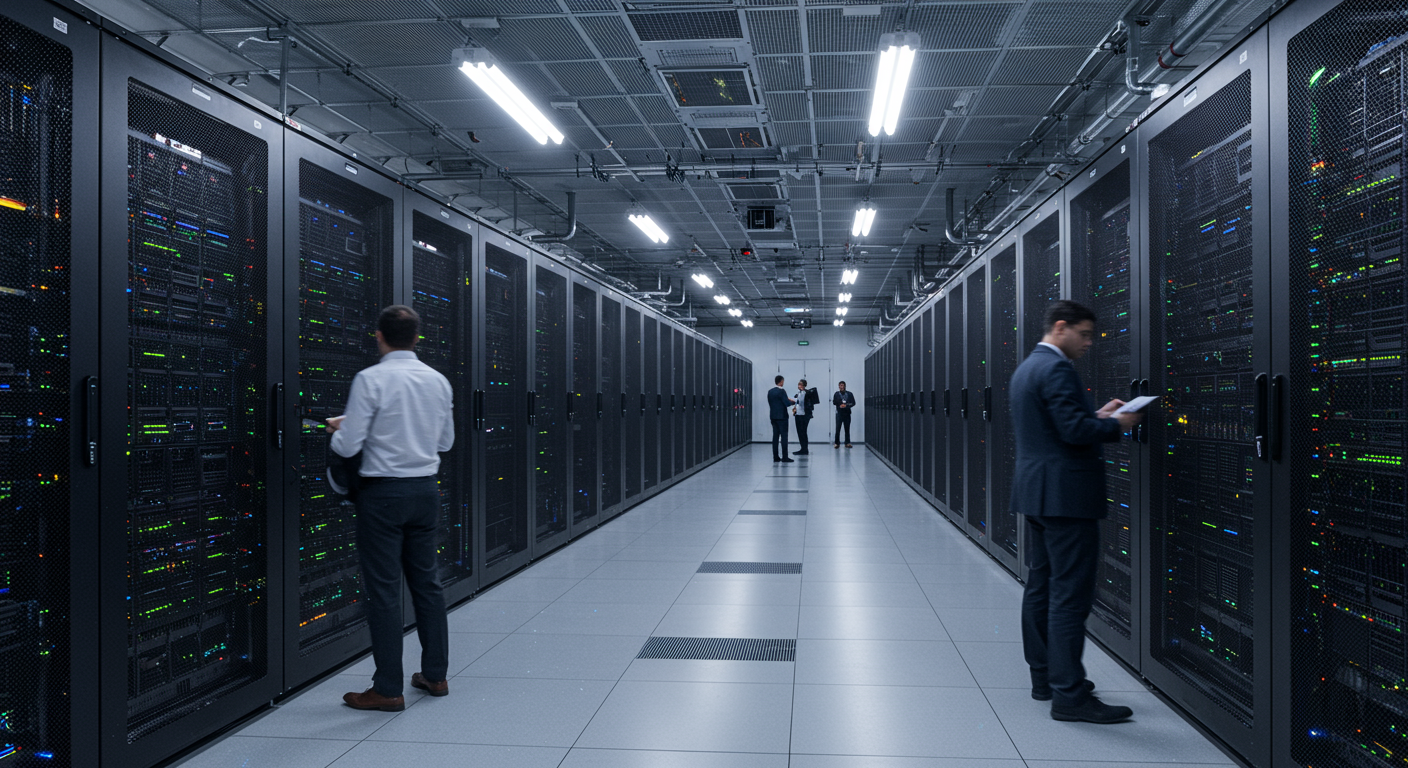
The artificial intelligence revolution is reshaping not just how we work and live, but also how much energy our digital infrastructure consumes. As AI capabilities expand exponentially, the hyperscale data centers powering these systems are creating an unprecedented demand for electricity, challenging both grid capacity and environmental sustainability goals.
The Scale of AI's Energy Appetite
Traditional data centers already consume between 1-2% of global electricity, but AI workloads are dramatically amplifying this baseline. The energy difference between AI and conventional computing tasks is staggering—AI training operations can consume 10 to 100 times more power than typical server workloads, while even AI inference tasks require significantly more computational resources than standard applications.
Current projections from the International Energy Agency indicate that data center electricity demand could double by 2026, with AI workloads driving much of this growth. Training large language models and neural networks requires massive parallel processing across thousands of specialized chips, each drawing substantial power. Even after training is complete, the inference phase—where AI systems respond to user queries—maintains elevated energy requirements compared to traditional computing tasks.
Hyperscale Infrastructure: Built for Power-Hungry AI
Hyperscale data centers, defined by their ability to scale seamlessly across thousands of servers, are specifically designed to handle the intensive computational demands of AI. These facilities feature high-density GPU clusters that can consume several megawatts of power in a single rack—exponentially more than conventional server configurations.
The cooling infrastructure alone represents a significant energy overhead. AI hardware generates substantial heat, requiring sophisticated cooling systems that can account for 30-40% of a facility's total energy consumption. Advanced cooling technologies, including liquid cooling and immersion systems, are becoming standard in hyperscale facilities to manage these thermal challenges.
Energy efficiency metrics reveal the stark differences between facility types. While traditional data centers might achieve Power Usage Effectiveness (PUE) ratios around 1.6, leading hyperscale facilities target PUE values closer to 1.2 according to the Uptime Institute's 2024 data center survey. However, their absolute energy consumption still far exceeds conventional facilities due to the sheer computational density required for AI workloads.
Regional Grid Stress and Capacity Constraints
The geographic concentration of major AI data centers is creating localized stress on electrical grids. Regions like Northern Virginia, which hosts a significant portion of global cloud infrastructure, are experiencing unprecedented demand growth that challenges existing transmission capacity.
Several utilities have reported grid capacity constraints directly linked to data center expansion. In some cases, new facilities face multi-year delays as utility companies upgrade transmission infrastructure to accommodate the power demands. These bottlenecks are particularly acute in regions where multiple hyperscale operators are simultaneously expanding their footprints.
Infrastructure investment requirements are substantial. Meeting projected demand will require billions in grid modernization, including new transmission lines, substations, and generation capacity. The timeline for these upgrades often extends beyond the rapid deployment schedules that AI companies require for competitive advantage.
The Renewable Energy Gap
Major technology companies have made ambitious renewable energy commitments, with many pledging carbon neutrality or net-zero emissions by 2030. However, the explosive growth in AI workloads is creating a significant gap between these commitments and actual consumption patterns.
Current renewable energy procurement, while substantial in absolute terms, is being outpaced by the growth in AI-driven energy demand. Companies that previously achieved renewable energy milestones for their traditional operations now find themselves struggling to maintain these ratios as AI workloads expand.
Grid-scale battery storage limitations present additional challenges for 24/7 AI operations. Unlike some industrial processes that can adjust to renewable energy availability, AI training and inference workloads often require consistent power delivery, making it difficult to rely solely on intermittent renewable sources without substantial energy storage capacity.
Economic and Environmental Implications
Rising electricity costs are beginning to impact AI development economics. Energy expenses, traditionally a secondary consideration in AI development, are becoming a significant factor in model architecture decisions and deployment strategies. Some researchers are exploring more energy-efficient algorithms partly driven by these economic pressures.
The carbon footprint trajectory of the AI industry presents concerning trends. Despite efficiency improvements in individual processors, the overall environmental impact continues to grow due to the scale of deployment. Research published in Nature Energy shows this trajectory conflicts with global climate commitments and is attracting increased regulatory attention.
Policy interventions are emerging at various levels. Some jurisdictions are considering data center-specific energy regulations, while others are examining carbon pricing mechanisms that would directly impact AI development costs. These regulatory responses could significantly influence future AI development patterns and geographic distribution of facilities.
Industry Responses and Mitigation Strategies
Hardware manufacturers are pursuing efficiency improvements through next-generation chip designs specifically optimized for AI workloads. These developments promise significant performance-per-watt improvements, though the timeline for widespread deployment extends several years into the future.
Alternative cooling technologies are becoming more prevalent as operators seek to reduce the energy overhead associated with thermal management. Waste heat recovery systems, which capture and repurpose the thermal output from data centers, are being implemented in some facilities to improve overall energy efficiency.
Edge computing distribution represents a potential strategy to reduce centralized power demands by moving certain AI workloads closer to users. This approach could reduce both transmission losses and the concentration of energy demand, though it introduces operational complexity and may not be suitable for all AI applications.
Corporate commitments to carbon neutrality face feasibility challenges given current growth trajectories. While companies continue to invest in renewable energy and efficiency improvements, McKinsey analysis suggests the timeline for achieving these goals while maintaining AI innovation pace remains uncertain.
The intersection of artificial intelligence advancement and energy sustainability represents one of the most significant infrastructure challenges of the coming decade. Success will require coordinated efforts across technology development, grid modernization, renewable energy scaling, and policy frameworks that balance innovation with environmental responsibility.