How Smart Home Appliances Are Evolving With Built-In AI
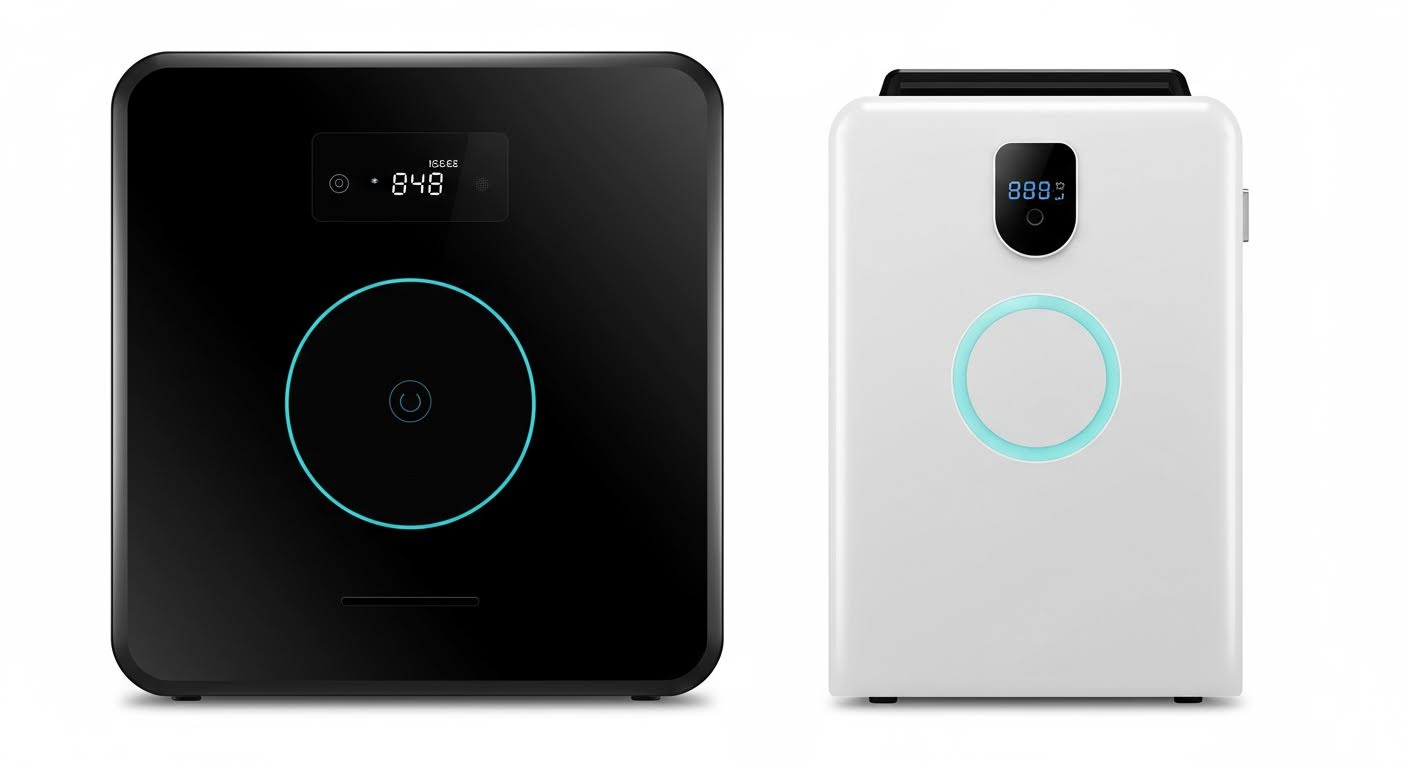
The smart home revolution is hitting its stride as artificial intelligence transforms your everyday appliances from basic connected gadgets into intelligent systems that learn, adapt, and actually anticipate what you need. We're way past simple remote control functionality—today's AI-driven appliances use machine learning and predictive analytics to make your life easier in ways you might not have imagined.
The AI Revolution in Home Appliances
Today's smart appliances are doing much more than just connecting to your Wi-Fi. They're getting genuinely intelligent, driven by our collective desire for better energy efficiency, ultimate convenience, and experiences tailored just for us. The biggest transformations are happening in kitchen equipment, climate control, laundry appliances, security systems, and those increasingly clever cleaning robots.
What's really exciting is how these appliances are starting to talk to each other, creating home ecosystems that adapt to your family's routines without you having to lift a finger.
Kitchen Appliances: Your AI-Powered Culinary Assistant
AI-powered kitchen appliances are completely changing how we cook and manage food. Smart refrigerators now track what you have, monitor when things are going bad, suggest recipes based on your ingredients, and even automatically order groceries when you're running low.
The latest smart ovens use computer vision—essentially giving them eyes—to recognize what you're cooking and adjust settings automatically. They can actually see when your food reaches that perfect level of doneness and prevent the dreaded overcooking disasters.
Even dishwashers are getting smarter, using AI to analyze how dirty your dishes are and what kind of load you've got, then picking the perfect wash cycle while minimizing water and energy use. When integrated with meal planning apps, your entire kitchen workflow becomes seamless.
Climate Control: Learning What Keeps You Comfortable
Smart thermostats have evolved into sophisticated systems that predict when you'll be home and what the weather will do before you even think about it. They learn each family member's preferences and adjust temperatures proactively, not just when you complain about being too hot or cold.
Advanced HVAC systems now crunch data on your historical usage, weather forecasts, and even electricity rates to optimize energy consumption. Some can tap into electrical grid data to automatically reduce consumption during peak hours, helping stabilize the entire power grid.
The newest systems create personalized comfort zones in different rooms using networks of sensors, maximizing efficiency while keeping everyone happy with their individual temperature preferences.
Laundry and Cleaning: Preventing Problems Before They Happen
Modern washing machines use AI to detect fabric types and soil levels, automatically adjusting water temperature, agitation, and cycle time based on exactly what you're washing. No more guessing games or ruined clothes.
Robotic vacuum cleaners have gotten incredibly smart with advanced navigation and learning capabilities. They map your home, figure out which areas get the most foot traffic, and adapt their cleaning schedules based on your family's activity patterns.
Perhaps most impressive is predictive maintenance—these appliances analyze their own performance data to spot potential issues before they cause breakdowns. This means fewer repair bills, longer appliance life, and consistent performance you can count on.
Security and Monitoring: AI That Watches Your Back
Smart security systems now use AI for facial recognition and behavior analysis, learning to distinguish between family members, expected guests, and potential threats. Advanced cameras can spot unusual activity patterns and send you targeted alerts that actually matter.
AI-powered door locks and access systems learn your household routines and automatically adjust security settings based on who's home and what time it is. They can even integrate with emergency services for automated threat responses.
Anomaly detection algorithms learn what's normal for your home and alert you to anything unusual—from unexpected water usage that might indicate a leak to irregular electrical consumption that could signal equipment problems.
Voice Control: Having Real Conversations with Your Home
Voice control has evolved way beyond simple commands. Today's systems support actual conversations, understand context, remember what you talked about before, and provide much more natural communication experiences.
These systems now support multiple languages and adapt to different accents, making them accessible to diverse households. Machine learning continuously improves recognition accuracy, so they get better at understanding you over time.
While integration challenges still exist between different voice assistant platforms, industry standardization efforts are making progress toward more compatible smart home environments.
What's Holding Smart Homes Back?
Despite all these advances, several barriers still limit widespread adoption. Privacy concerns top the list—people worry about what data these devices collect and who gets access to it.
Security vulnerabilities in connected devices create potential entry points for cyberattacks, making robust cybersecurity absolutely essential for manufacturers who want consumer trust. When different smart home platforms don't play well together, it creates frustrating user experiences that can kill enthusiasm.
Cost remains a significant factor since AI-enabled appliances typically carry premium price tags. You need to weigh that upfront investment against long-term energy savings and convenience benefits. The technical complexity also means consumers need education and ongoing support to get the most value.
What's Coming Next
Edge computing is a major trend that's putting more processing power directly into appliances rather than relying entirely on cloud-based systems. This reduces delays, improves privacy, and keeps things working even when your internet goes down.
Industry standardization efforts are gaining serious momentum, with major manufacturers finally collaborating on universal compatibility. Integration with renewable energy systems and smart electrical grids will let appliances optimize their energy use based on when clean energy is most available.
Emerging applications in health monitoring and elderly care show promise for expanding smart home capabilities far beyond traditional convenience and efficiency. Market projections show continued strong growth as manufacturers pour investment into AI development and more consumers come around to the benefits.
The future of smart home appliances is all about creating truly intelligent ecosystems that anticipate your needs, optimize resources automatically, and enhance your quality of life through seamless integration with your daily routines.