How New Battery Chemistries Could Replace Lithium-Ion
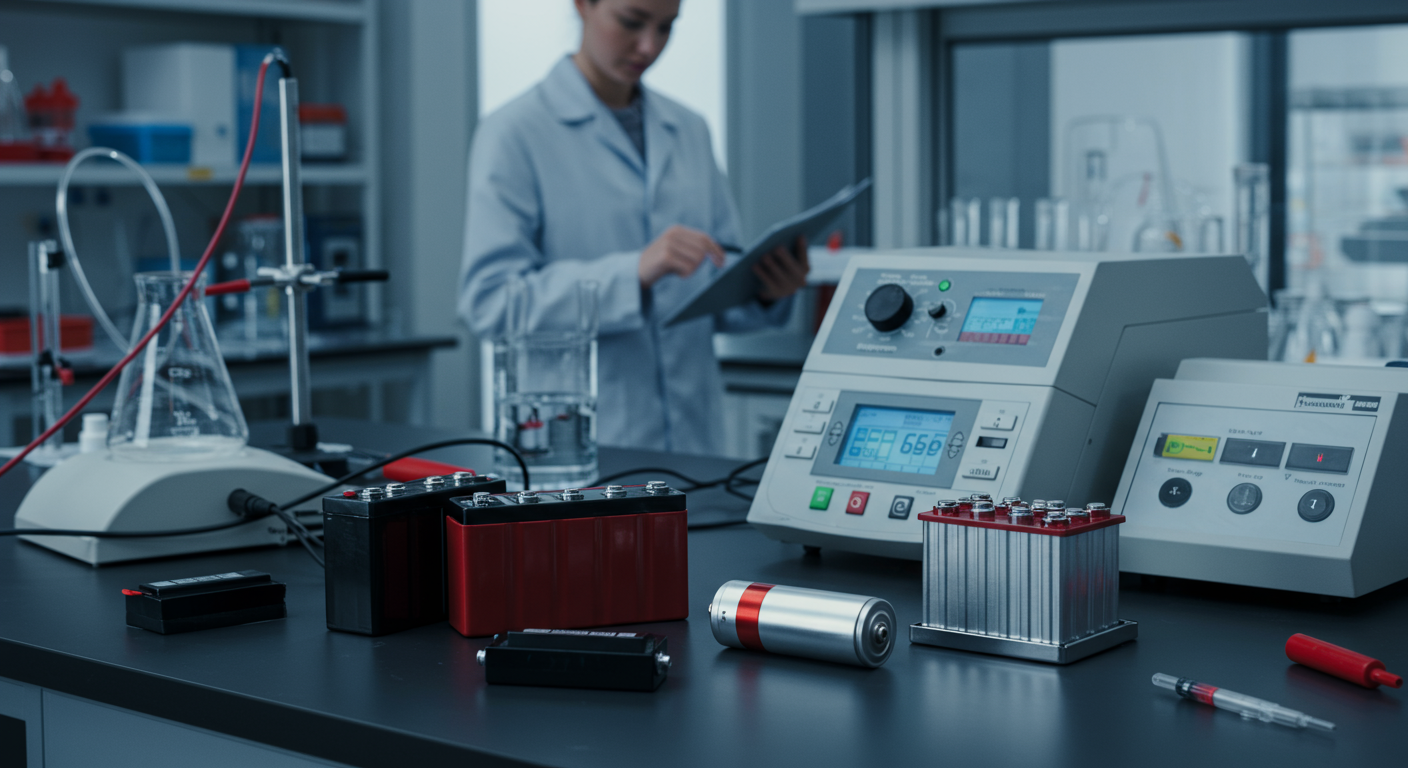
The dominance of lithium-ion batteries in everything from smartphones to electric vehicles is facing unprecedented challenges. As demand soars and limitations become more apparent, researchers and manufacturers are racing to develop next-generation battery chemistries that could fundamentally transform how we store and use energy.
The Lithium-Ion Bottleneck: Why Change is Inevitable
Despite their revolutionary impact over the past three decades, lithium-ion batteries are approaching several critical constraints that make alternatives increasingly attractive.
Resource scarcity represents perhaps the most pressing concern. Lithium and cobalt mining operations are concentrated in politically unstable regions, with prices becoming increasingly volatile as demand from electric vehicle manufacturers explodes. The environmental impact of these mining operations has also drawn scrutiny from regulators and environmental groups worldwide.
Safety issues continue to plague lithium-ion technology, particularly thermal runaway incidents that can lead to fires and explosions. While battery management systems have improved significantly, the fundamental chemistry still poses risks in high-energy applications.
Perhaps most importantly from a technical perspective, lithium-ion batteries are approaching their theoretical energy density limits. After decades of incremental improvements, the technology is hitting physical constraints that no amount of engineering optimization can overcome.
Solid-State Batteries: The Safety Revolution
Solid-state batteries represent the most mature alternative to traditional lithium-ion technology, replacing liquid electrolytes with ceramic or polymer alternatives that eliminate many safety concerns.
The safety advantages are substantial. Solid electrolytes are non-flammable and don't suffer from the thermal runaway problems that plague liquid electrolyte systems. This inherent safety allows for more aggressive charging protocols and higher energy density designs.
Energy density improvements of 2-3x compared to current lithium-ion batteries appear achievable with solid-state technology. This would translate to electric vehicles with significantly longer range or much lighter battery packs for the same performance.
However, manufacturing challenges remain formidable. Solid-state batteries require precise interface engineering between solid components, and current production costs are substantially higher than conventional batteries. Major companies like Toyota, Samsung, and QuantumScape have made significant progress, but commercial deployment at scale remains years away.
Sodium-Ion: Abundant and Grid-Ready
While solid-state batteries target high-performance applications, sodium-ion technology offers a more immediately practical solution for large-scale energy storage.
The fundamental advantage lies in raw material abundance. Sodium is one of the most plentiful elements on Earth, available from seawater and salt deposits worldwide. This abundance translates to stable, low costs regardless of demand scaling.
Energy density is lower than lithium-ion technology, making sodium-ion less suitable for mobile applications like electric vehicles. However, for stationary grid storage where weight and volume are less critical, sodium-ion batteries offer compelling economics.
Commercial momentum is building rapidly. CATL, the world's largest battery manufacturer, has already begun commercializing sodium-ion batteries for grid storage applications. Other major manufacturers are following suit, with several gigawatt-scale deployments planned over the next few years.
Lithium-Sulfur: The Energy Density Champion
For applications where maximum energy density is critical, lithium-sulfur chemistry offers theoretical advantages that dwarf all other battery technologies.
The theoretical energy density of lithium-sulfur batteries is roughly five times higher than current lithium-ion technology. Sulfur is also abundant and inexpensive, potentially offering both performance and cost advantages.
However, significant technical challenges have prevented commercial deployment. Cycle life degradation occurs as sulfur compounds dissolve and migrate within the battery during charge-discharge cycles. Volume expansion during operation also creates mechanical stress that damages battery components.
Despite these challenges, aerospace and long-duration storage applications are driving continued development. The weight savings from higher energy density batteries could enable new classes of electric aircraft and satellite systems.
Metal-Air Batteries: Ultra-High Density Potential
Metal-air batteries represent the ultimate frontier in energy density, using oxygen from the atmosphere as one electrode to achieve exceptional theoretical performance.
Zinc-air and aluminum-air chemistries offer energy densities that approach those of gasoline on a weight basis. For applications where maximum energy storage is critical, these technologies could enable breakthrough capabilities.
The primary limitation is rechargeability. While primary (non-rechargeable) metal-air batteries are already commercialized for hearing aids and other specialty applications, creating rechargeable versions has proven extremely difficult. Cycle life remains limited even in the best research prototypes.
Niche applications in backup power systems and remote installations represent the most promising near-term markets, where the ultra-high energy density justifies the cycle life limitations.
The Manufacturing Reality Check
Moving from laboratory breakthroughs to commercial production remains the greatest challenge facing all alternative battery chemistries.
Scaling manufacturing from research quantities to gigawatt-hour production levels requires entirely new production infrastructure. The investment requirements are enormous, with individual plants requiring billions of dollars in capital expenditure.
Quality control becomes exponentially more difficult with new chemistries and processes. Lithium-ion manufacturing has benefited from decades of optimization and learning curve effects that new technologies must replicate from scratch.
Timeline predictions for new battery technologies have historically proven overly optimistic. The gap between laboratory demonstration and commercial deployment typically spans 10-15 years, even with substantial investment and development effort.
Market Adoption Timeline and Investment Landscape
Different battery chemistries are likely to find commercial success in distinct timeframes and applications.
Sodium-ion batteries represent the nearest-term opportunity, particularly for grid storage applications where their cost advantages outweigh energy density limitations. Commercial deployments are already beginning, with significant scaling expected over the next 3-5 years.
Solid-state batteries appear positioned for premium electric vehicle applications in the medium term, potentially reaching commercial deployment within 5-10 years. The safety and performance advantages justify higher initial costs for luxury vehicle segments.
Lithium-sulfur and metal-air technologies remain longer-term prospects, likely requiring 10+ years for substantial commercial deployment. Specialized applications in aerospace and long-duration storage may drive initial adoption.
Investment flows reflect this timeline, with venture capital and corporate R&D funding concentrated on the most promising near-term opportunities while maintaining smaller research efforts on breakthrough technologies.
The transition away from lithium-ion dominance appears inevitable, but the path forward will likely involve multiple coexisting technologies optimized for different applications rather than a single replacement chemistry.