How Massive Data Centers Are Reshaping Local Power Grids
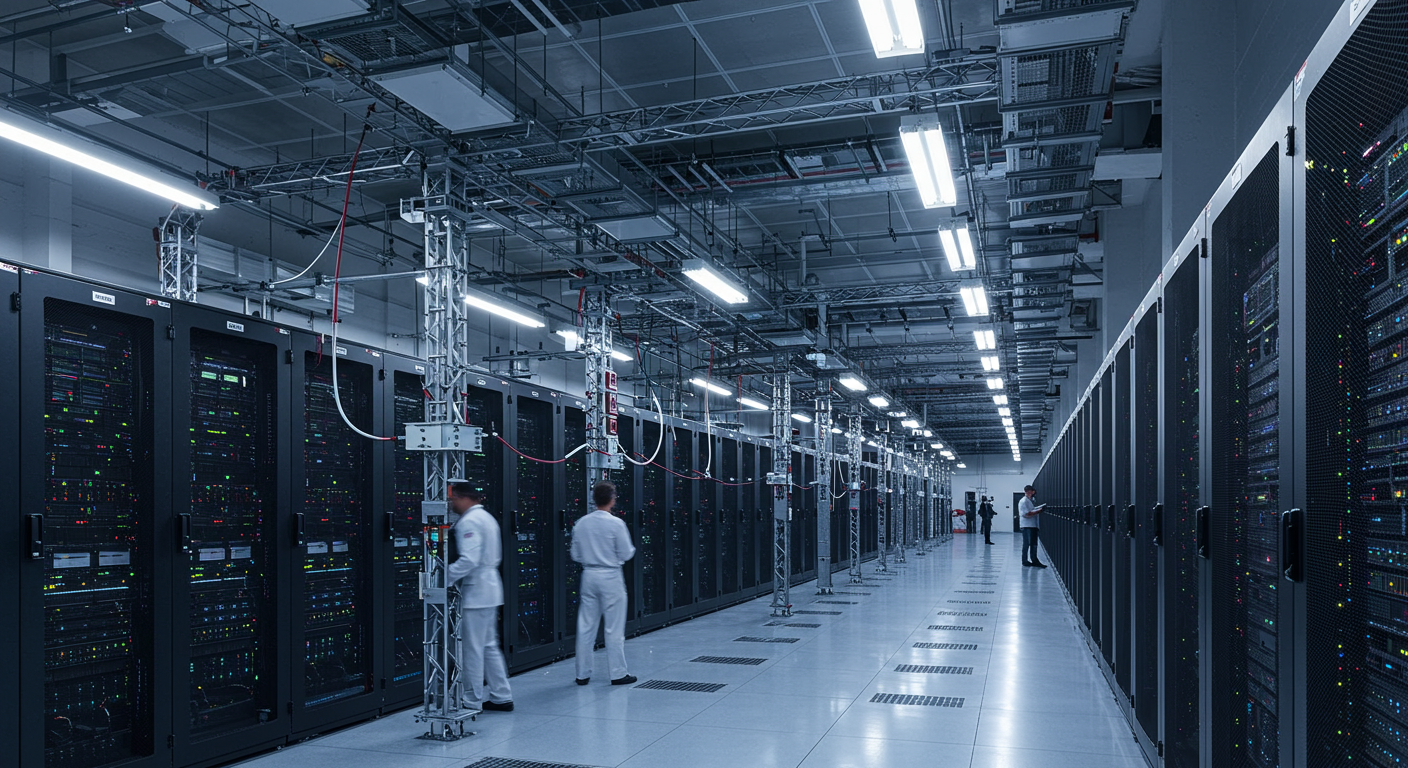
The digital transformation powering modern life comes with a hidden cost: massive electricity consumption that's fundamentally reshaping how local power grids operate. As artificial intelligence and cloud computing drive unprecedented growth in data center construction, utilities across the country are scrambling to upgrade infrastructure and develop new strategies to meet soaring energy demands.
The Scale of Data Center Power Consumption
Data centers now represent one of the fastest-growing sources of electricity demand in the United States. According to the U.S. Energy Information Administration, these facilities collectively consume approximately 2% of total U.S. electricity, but their appetite for power is accelerating rapidly as AI workloads require significantly more computational resources than traditional cloud applications.
A single large data center can consume between 20 and 100 megawatts of electricity—equivalent to powering 15,000 to 75,000 homes simultaneously. This puts them on par with traditional heavy industrial users like aluminum smelters or steel mills, but with a crucial difference: data centers operate at peak capacity 24 hours a day, seven days a week.
The proliferation of machine learning and AI applications has amplified energy requirements beyond what utilities planned for just a few years ago. Training large language models and running inference workloads demand specialized processors that consume substantially more power than standard server operations, creating a multiplicative effect on total energy consumption.
Geographically, data centers tend to cluster in specific regions due to factors like fiber connectivity, land availability, and favorable business climates. This concentration creates localized pressure points on regional grids that were designed for more distributed industrial loads.
Grid Infrastructure Under Pressure
The rapid expansion of data center capacity is outpacing the ability of many utilities to upgrade their transmission and distribution infrastructure. Power grid improvements typically require years of planning and construction, while data center projects can move from conception to operation in 18-24 months.
Several major utilities have reported situations where available grid capacity has become the limiting factor for new data center development, rather than land or fiber connectivity. This represents a fundamental shift in how these projects are planned and sited.
Transmission line upgrades, substation expansions, and new generation capacity all require significant capital investment. These costs are ultimately passed through to ratepayers, creating a situation where residential and commercial customers subsidize infrastructure improvements primarily benefiting large technology companies.
The interconnection process—the regulatory and technical procedure for connecting new large loads to the grid—has become increasingly complex and time-consuming as utilities struggle to assess cumulative impacts of multiple proposed data centers in the same service territory.
Regional Variations in Grid Impact
Northern Virginia's "Data Center Alley" along the Dulles Technology Corridor exemplifies the challenges facing grid operators. This region hosts the world's largest concentration of data centers, and local utilities have invested billions of dollars in infrastructure upgrades to support continued growth while maintaining reliability for other customers.
In western states, data center growth is colliding with ambitious renewable energy integration goals. While many facilities seek to power operations with clean energy, the intermittent nature of wind and solar power complicates grid balancing when combined with constant, high-magnitude data center loads.
Rural communities are experiencing unexpected challenges as technology companies build large facilities in areas selected for low land costs and favorable tax policies. Local utilities in these regions often lack the transmission capacity and generation resources to support industrial-scale power demands without significant upgrades.
International examples provide insight into different approaches to managing grid impacts. Countries like Denmark and the Netherlands have implemented specific policies governing data center energy consumption and grid integration, requiring facilities to participate in demand response programs and contribute to grid stability services.
Utility Response and Adaptation Strategies
Electric utilities are developing new capacity planning methodologies that better account for the unique characteristics of data center loads. Traditional forecasting models based on gradual residential and commercial growth patterns are inadequate for predicting the stepwise increases in demand created by large facility additions.
Public-private partnerships are emerging as a mechanism for sharing infrastructure development costs and risks. Some arrangements involve data center operators contributing upfront capital for transmission upgrades in exchange for expedited connection timelines.
Load management and demand response programs are being tailored specifically for data center operations. These facilities can potentially provide valuable grid services by modulating their power consumption during peak demand periods, though this requires careful coordination with computing workload requirements.
Utility interconnection processes are being streamlined and updated to handle the volume and scale of data center applications more efficiently. This includes new technical standards, revised study procedures, and modified cost allocation methodologies.
Long-term Grid Transformation
The integration of large, constant loads with variable renewable energy sources presents both challenges and opportunities for grid operators. Data centers could potentially serve as stabilizing loads that help balance intermittent generation, but this requires sophisticated coordination and control systems.
Smart grid technologies are becoming essential for managing the complex interactions between data center demands, renewable generation, and traditional loads. Advanced monitoring, forecasting, and control systems enable more dynamic and efficient grid operations.
The economic development implications extend beyond immediate infrastructure costs. Communities hosting major data center facilities often see significant tax revenue increases and job creation, but must balance these benefits against impacts on local electricity rates and grid reliability.
Policy makers and regulators are considering various approaches to better manage data center grid impacts, including specific interconnection requirements, demand response mandates, and updated cost allocation mechanisms that ensure appropriate sharing of infrastructure upgrade costs.
Research from the National Renewable Energy Laboratory and analysis by McKinsey & Company suggest that the transformation of local power grids to accommodate massive data centers represents a fundamental shift in how electricity infrastructure is planned and operated. As digital services become increasingly central to economic activity, finding sustainable approaches to meeting their energy demands while maintaining grid reliability and affordability will remain a critical challenge for utilities and policymakers.