How AI Is Being Embedded Into Cars Long Before Full Autonomy
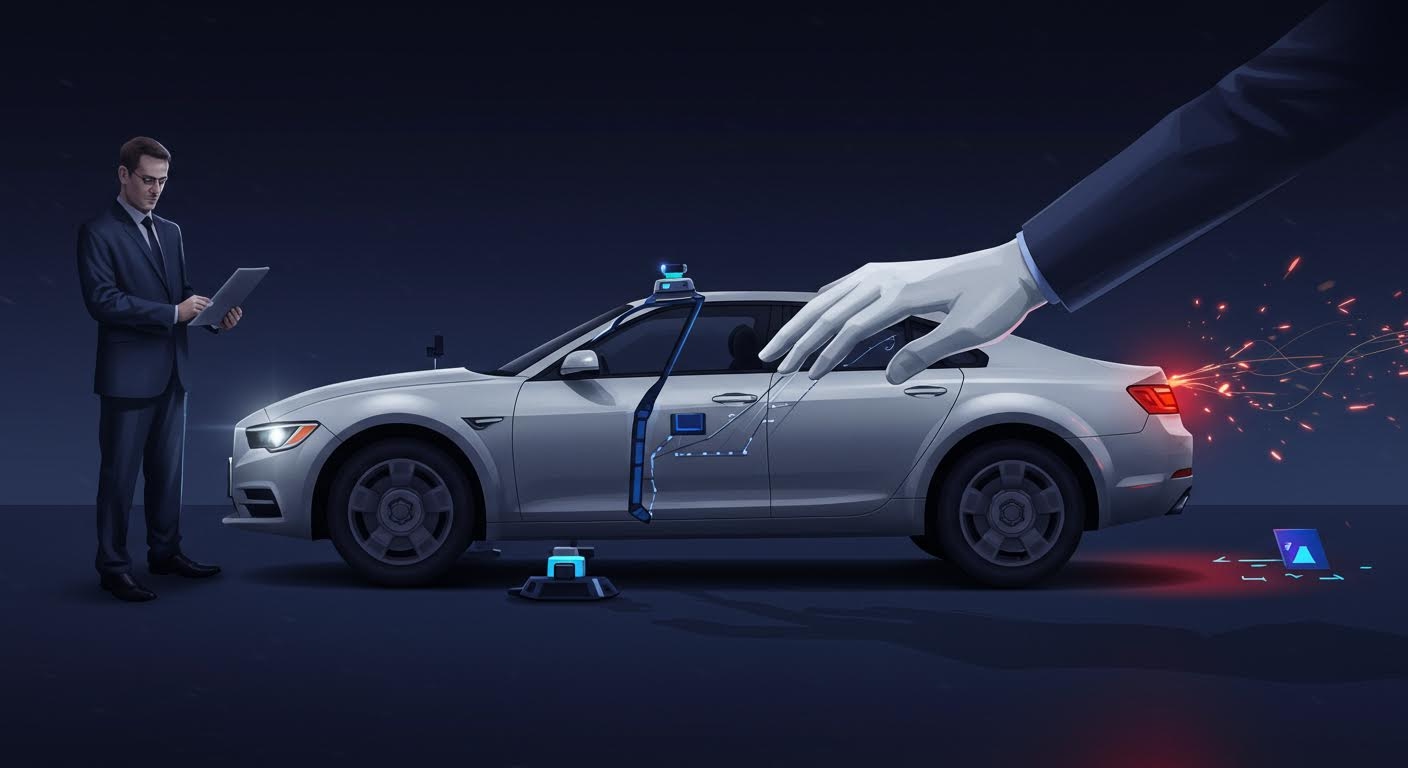
While headlines chase the distant dream of fully self-driving cars, AI is quietly transforming the vehicles we drive today. Instead of waiting for the moonshot of complete autonomy, automakers are weaving intelligence into every corner of modern cars—from safety systems that prevent crashes to maintenance alerts that save you from roadside breakdowns.
This step-by-step approach makes more sense than jumping straight to robot chauffeurs. It lets manufacturers perfect their AI systems while building trust with drivers and regulators. The result? Cars are getting smarter every year, creating a natural path toward more advanced capabilities.
Safety First: How AI Prevents Accidents Today
The most noticeable AI breakthrough in cars comes through Advanced Driver Assistance Systems (ADAS). These systems act like digital co-pilots, using cameras, radar, and sensors to watch the road and react faster than human reflexes allow.
Take automatic emergency braking—computer vision spots an impending collision and slams the brakes before you even realize danger is approaching. Lane-keeping assistance uses the same visual processing to nudge your car back into its lane when you drift. Adaptive cruise control goes beyond simple speed maintenance, using AI to read traffic patterns and adjust following distances intelligently.
The safety gains are real and measurable. Cars with automatic emergency braking see dramatic drops in rear-end collisions, while lane departure warnings catch drivers during those split-second lapses in attention that cause serious accidents.
Your Car Becomes a Fortune Teller
Modern vehicles are rolling sensor platforms, constantly monitoring everything from engine temperature to brake pad thickness. AI takes this flood of data and spots trouble brewing weeks before traditional maintenance schedules would catch it.
Your car might alert you that brake pads are wearing thin based on driving patterns, not just mileage. It could predict battery failure by analyzing charging cycles and performance degradation. Some systems even schedule service appointments automatically when AI detects developing problems.
This shift from "fix it when it breaks" to "fix it before it breaks" saves drivers from unexpected roadside emergencies while spreading maintenance costs more evenly throughout the year.
Cars That Know What You Want
Voice assistants in cars are getting genuinely conversational, learning how you talk and what you typically ask for. Tell your car "I'm cold" and it adjusts climate control. Say "take me home" and it knows which route you prefer and what music you want to hear.
Smart infotainment systems remember your preferences—favorite coffee shops, preferred parking spots, usual departure times for work. Some cars integrate with your digital life so seamlessly they'll pre-heat on cold mornings based on your calendar or dim your home lights when you pull out of the driveway.
These aren't just convenience features—they're building blocks for cars that understand context and anticipate needs, crucial capabilities for future autonomous systems.
The Factory Gets Smarter Too
AI's automotive revolution starts before cars even roll off production lines. Computer vision systems inspect paint jobs and component alignment with superhuman precision, catching defects that would slip past human quality control.
Manufacturing AI optimizes everything from supply chains to assembly line timing. Machine learning models predict demand surges, coordinate global parts shipments, and help robots adapt to variations in components. These improvements make cars more reliable while keeping costs competitive.
The quality gains from AI-powered manufacturing mean fewer recalls and warranty claims—benefits that ultimately reach consumers through more dependable vehicles.
Computing Power Where It Counts
Critical safety decisions can't wait for data to bounce off cell towers and back. That's why modern cars pack serious computing power under the hood—specialized AI chips that process sensor data locally for instant responses.
When your car's emergency braking system detects an obstacle, AI algorithms running on these dedicated processors make life-or-death decisions in milliseconds. This edge computing approach ensures safety features work reliably whether you're in downtown Manhattan or rural Montana.
Balancing this computational muscle with automotive requirements—extreme temperatures, vibration, limited power budgets—drives innovation in specialized automotive AI hardware that's tougher than typical computer chips.
Teamwork Makes the Dream Work
The biggest advances come from unlikely partnerships between Detroit automakers and Silicon Valley tech giants. Traditional car companies bring decades of automotive engineering expertise, while tech firms contribute AI algorithms and computing platforms.
Major suppliers like Bosch develop AI solutions that multiple manufacturers can adopt, spreading development costs across the industry. This collaborative ecosystem lets smaller automakers access cutting-edge AI features they couldn't develop independently.
Heavy investment in automotive AI reflects how crucial these technologies have become for competitive advantage. Car companies that master AI integration pull ahead in both capability and market appeal.
Building Tomorrow's Self-Driving Cars
Every AI system deployed in cars today becomes a building block for future autonomy. The computer vision that powers current lane-keeping assistance evolves into tomorrow's highway autopilot. Today's sensor fusion algorithms become tomorrow's full environmental awareness systems.
Driver acceptance grows naturally through positive experiences with existing AI features. When your current safety systems consistently perform well, you develop confidence in more advanced automation. This gradual trust-building supports market readiness for eventually autonomous vehicles.
Regulatory frameworks develop alongside current AI applications, creating standards and approval processes for automotive intelligence. This parallel evolution of technology and regulation smooths the path toward fully self-driving cars.
The road to autonomous driving isn't a sudden leap—it's a steady climb built on continuous improvements to AI systems already working in today's cars. Each advancement in computer vision, every enhancement to predictive algorithms, and all progress in automotive computing power moves the industry closer to full autonomy while delivering immediate benefits to current drivers.