Google and Planet Launch First Project Suncatcher Prototype Satellite to Test AI Chips in Orbit
Google and Planet Launch First Project Suncatcher Prototype Satellite to Test AI Chips in Orbit
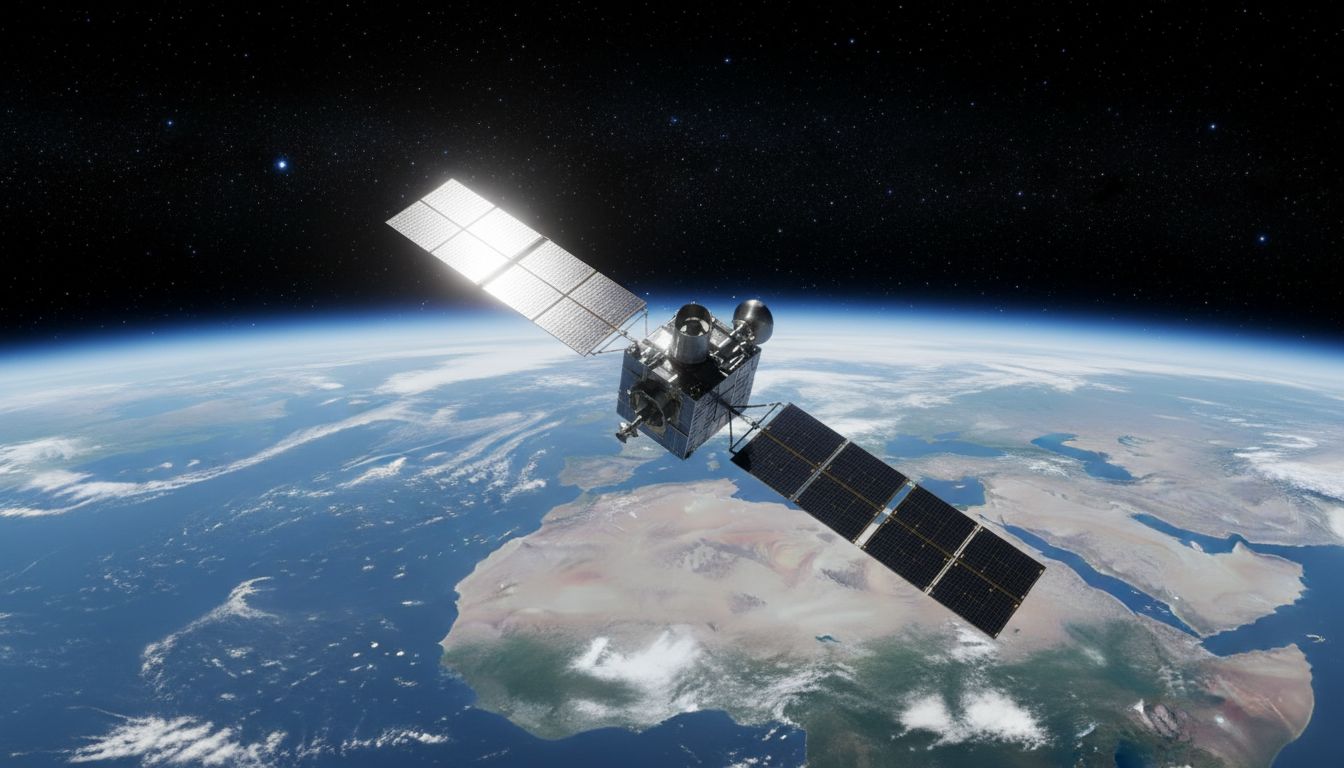
Google has launched its first prototype satellite for Project Suncatcher, a long-horizon research effort examining whether space could one day host machine learning infrastructure. The satellite was built in partnership with Planet and launched aboard a SpaceX rideshare mission known as Transporter-18. Google says its team has confirmed contact with the satellite and that it is operating as expected. As with most corporate milestone announcements, these status updates are self-reported by Google, and independent sourcing has not yet offered separate technical confirmation of in-orbit performance.
Google Launches First Project Suncatcher Prototype Satellite
According to Google, the prototype satellite represents an early step in Project Suncatcher, the company's research initiative into space-based AI and machine learning compute infrastructure. The satellite reportedly reached orbit following the Transporter-18 rideshare launch, and Google states that contact has been established and that the hardware is functioning normally so far.
Many observers note that these are precisely the kinds of claims that warrant some caution in early reporting: launch success and initial contact are relatively straightforward to verify, but broader claims about how well the system performs over time are harder to assess from the outside. At this stage, Google's own announcements remain the primary source for the satellite's operational status.
What Project Suncatcher Is Trying to Prove
The core aim of the mission is to test how AI accelerator chips, specifically Google's TPUs, perform under real space conditions. Key engineering unknowns include how the hardware withstands radiation exposure, how it handles thermal extremes, and how reliably it operates over an extended period in orbit.
A recurring theme in post-launch commentary is that thermal management, rather than radiation, may be emerging as the more immediate engineering challenge. Google has consistently described Project Suncatcher as a "moonshot," language that signals this is early-stage, exploratory research rather than a near-term path to commercial deployment. A recurring concern among industry observers is distinguishing between a successful initial launch and genuine long-term viability, which remains an open question.
The Research Behind the Mission
Supporting the mission is a peer-reviewed paper detailing the research and system design, published in the journal Joule, along with a related preprint available on arXiv. Together, these provide technical grounding for the broader concept beyond Google's promotional materials.
The system design rationale centers on a few key ideas: solar power is far more abundant and consistent in orbit than on Earth, and the vacuum of space may offer cooling advantages for compute hardware. The research also explores chip-to-chip optical links as a way to connect orbital compute clusters. These are presented as areas of active investigation rather than settled engineering solutions.
Independent Coverage and Context
Outlets including NPR, Space.com, TechSpot, Tech Times, and Yahoo Tech have covered the launch, with reporting that largely corroborates the basic facts of Google's announcement. Industry analysts, including Futurum Group and PPC Land, have placed the launch within a broader narrative some are calling an "orbital AI compute race," suggesting Google may be moving faster than previously expected.
Notably, earlier coverage referenced a 2027 target timeline for this kind of prototype launch, making the now-confirmed earlier launch a point of interest in how the timeline shifted. That said, a recurring pattern across most available coverage is a heavy reliance on Google's own statements and the Joule paper, with limited independent technical verification of actual in-orbit performance. One additional source identified during research could not be accessed due to a content-blocking issue and was not used in this analysis.
What to Watch Next
The long-term feasibility and scalability of space-based machine learning infrastructure remains unproven, and this prototype should be understood as an early research step rather than a finished product. Future data on radiation resilience and thermal performance over time will be essential to assessing whether the underlying concept holds up.
Broader claims about scaling this approach into meaningful orbital compute capacity remain speculative at this point. It is also worth watching how this effort positions Google relative to other companies and research groups exploring similar orbital compute concepts, as competitive dynamics in this space appear to be developing quickly.