Emotional Intelligence Robots: How Machines Are Learning to Understand Human Feelings
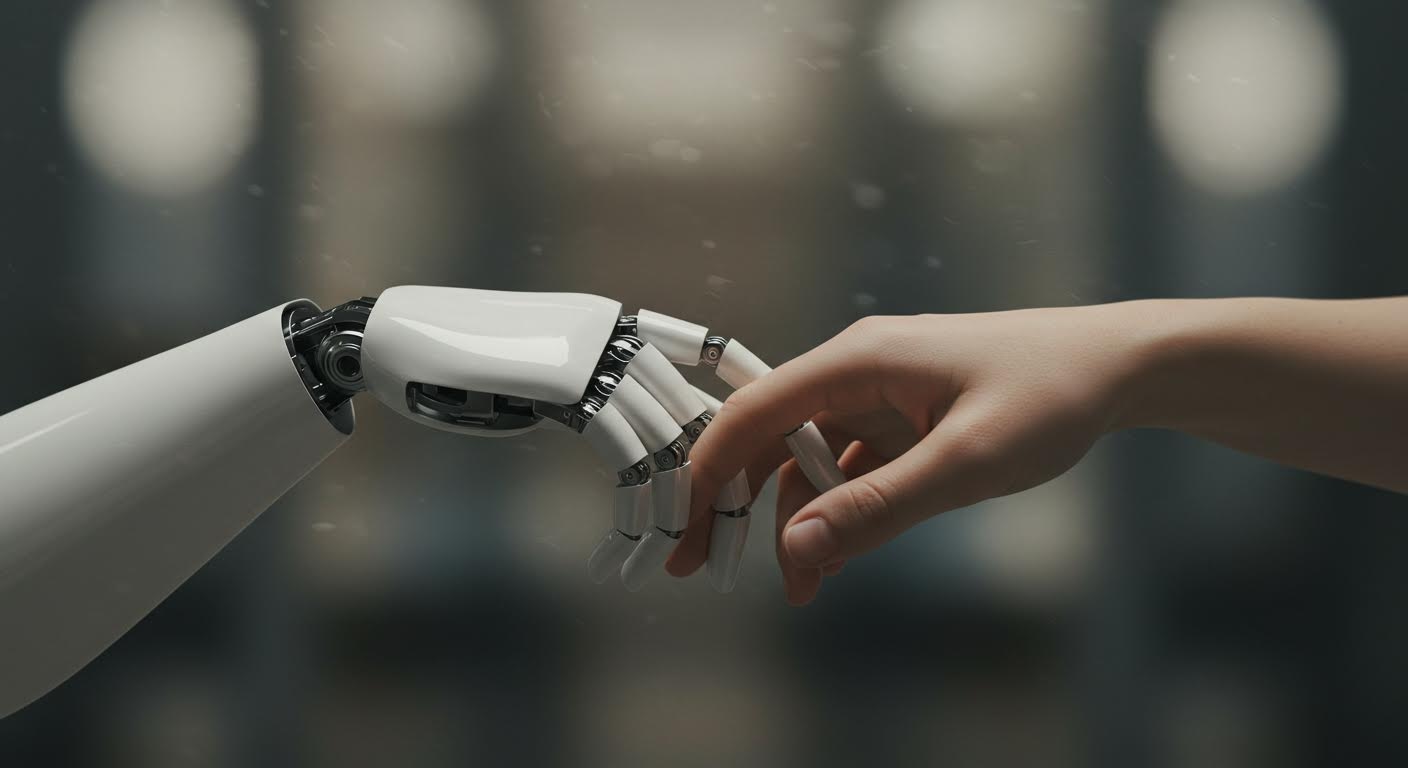
Picture a robot that can sense your frustration, offer comfort when you're sad, or adjust its behavior based on your emotional state. This isn't science fiction—emotional intelligence robots are here, representing one of the most significant advances in human-robot interaction. These sophisticated machines combine artificial intelligence with emotional recognition capabilities, fundamentally transforming how we interact with technology.
The Dawn of Emotionally Aware Machines
Emotional intelligence in robotics refers to a machine's ability to recognize, interpret, and respond appropriately to human emotions. Unlike traditional robots that follow pre-programmed commands, these advanced systems adapt their behavior based on the emotional context of their interactions.
Today's emotional intelligence robots identify emotions through multiple channels—analyzing facial expressions, interpreting voice tone and speech patterns, and even detecting physiological changes like heart rate variability. This multi-layered approach allows them to build a more complete picture of a person's emotional state and respond accordingly.
The implications extend far beyond novelty. These robots now serve as companions for elderly individuals, therapy assistants in healthcare settings, and personalized tutors that adapt to students' emotional needs during learning.
How Emotional Intelligence Robots Work
The technology behind emotional intelligence robots relies on sophisticated multimodal sensing systems. High-resolution cameras capture micro-expressions and body language, while advanced microphones analyze vocal patterns for emotional indicators like stress, excitement, or sadness.
Some robots incorporate additional biometric sensors that detect physiological changes—monitoring heart rate through skin contact, measuring galvanic skin response, or tracking breathing patterns. This data feeds into complex AI algorithms trained to recognize emotional patterns across diverse populations.
Machine learning models process this information in real-time, comparing current readings against vast databases of emotional expressions and responses. Natural language processing enables the robots to understand not just what people say, but how they say it, while computer vision systems interpret visual cues that humans might miss.
The most advanced systems learn and adapt over time, developing personalized profiles of individual users' emotional patterns and preferences for interaction styles.
Real-World Applications Transforming Industries
Healthcare represents one of the most promising applications for emotional intelligence robots. Therapy robots are being deployed in hospitals and clinics to provide consistent, patient emotional support. These machines detect when patients are experiencing anxiety or depression and respond with appropriate comfort measures or alert human caregivers when intervention is needed.
In eldercare facilities, companion robots address the growing issue of loneliness among aging populations. These robots engage in meaningful conversations, remember personal details about residents, and provide social interaction when human caregivers aren't available. Some facilities report significant improvements in resident mood and engagement levels.
Educational settings are seeing robots that adapt their teaching methods based on student emotional states. If a student appears frustrated or confused, the robot might slow down, offer additional explanations, or suggest a break. This personalized approach shows promise in improving learning outcomes, particularly for students with special needs.
Customer service applications include emotionally responsive chatbots and service robots that detect customer frustration and escalate issues appropriately or adjust their communication style to better match customer preferences.
Specialized robots designed for autism support help individuals practice social interactions in controlled, predictable environments, providing consistent feedback and gradually building social skills.
Technical Challenges and Limitations
Despite impressive advances, significant challenges remain in developing truly emotionally intelligent robots. Achieving nuanced emotional understanding across diverse populations and cultures presents ongoing difficulties, as emotional expressions and social cues vary significantly between different cultural backgrounds.
Context remains a major hurdle—determining appropriate responses in complex social situations requires understanding that goes beyond simple emotional recognition. A robot might correctly identify that someone is sad but struggle to determine whether comfort, space, or practical assistance is the appropriate response.
The balance between authentic interaction and programmed responses continues to challenge developers. While robots can simulate empathy convincingly, questions remain about whether these interactions provide genuine emotional value or merely the illusion of understanding.
Hardware limitations also constrain current systems. Real-time emotional analysis requires substantial processing power, and many robots must balance computational demands with practical considerations like battery life and mobility.
Ethical Implications and Concerns
The development of emotional intelligence robots raises important ethical questions that society is only beginning to address. The risk of emotional manipulation represents a significant concern—if robots become highly skilled at reading and influencing human emotions, the potential for misuse increases substantially.
Privacy concerns around emotional data collection and storage are particularly sensitive. Emotional information is deeply personal, and the collection, analysis, and potential sharing of this data raises questions about consent and protection of intimate personal information.
Research suggests that humans can form strong emotional attachments to responsive machines, potentially leading to unhealthy dependencies or preferences for artificial relationships over human connections. This is particularly concerning in applications involving vulnerable populations like children or elderly individuals.
Questions of authenticity in robot-human emotional exchanges challenge our understanding of meaningful relationships. While robots may provide comfort and companionship, the artificial nature of these interactions raises philosophical questions about the value and meaning of emotional connections.
Regulatory frameworks for emotional intelligence robots remain largely undeveloped, creating uncertainty around safety standards, data protection requirements, and appropriate use guidelines.
The Future of Human-Robot Emotional Connection
Commercial markets for emotional intelligence robots are expanding rapidly, with significant investment flowing into companies developing these technologies. Industry analysts predict substantial growth in applications ranging from personal companions to specialized therapeutic devices.
Technological advances on the horizon include more sophisticated emotion recognition algorithms, improved natural language processing, and better integration of multiple sensing modalities. Future robots may achieve even more nuanced understanding of human emotional states and more authentic-feeling responses.
The societal impacts of widespread adoption remain to be fully understood. While these robots offer significant benefits in healthcare, education, and companionship, their influence on human social skills and relationship patterns requires ongoing study and consideration.
Responsible development practices are emerging as industry leaders recognize the importance of addressing ethical concerns proactively. This includes developing clear guidelines for data use, ensuring transparency in robot capabilities and limitations, and maintaining focus on augmenting rather than replacing human relationships.
As emotional intelligence robots continue to evolve, they represent both tremendous opportunity and significant responsibility. Their ability to understand and respond to human emotions opens new possibilities for technology to serve human needs, while simultaneously challenging us to thoughtfully consider the role we want artificial intelligence to play in our emotional lives.