Diraq and Equinix Plan to Install an Eight-Qubit Quantum Computer in a Sydney Data Center — Here's What's Verified and What Isn't
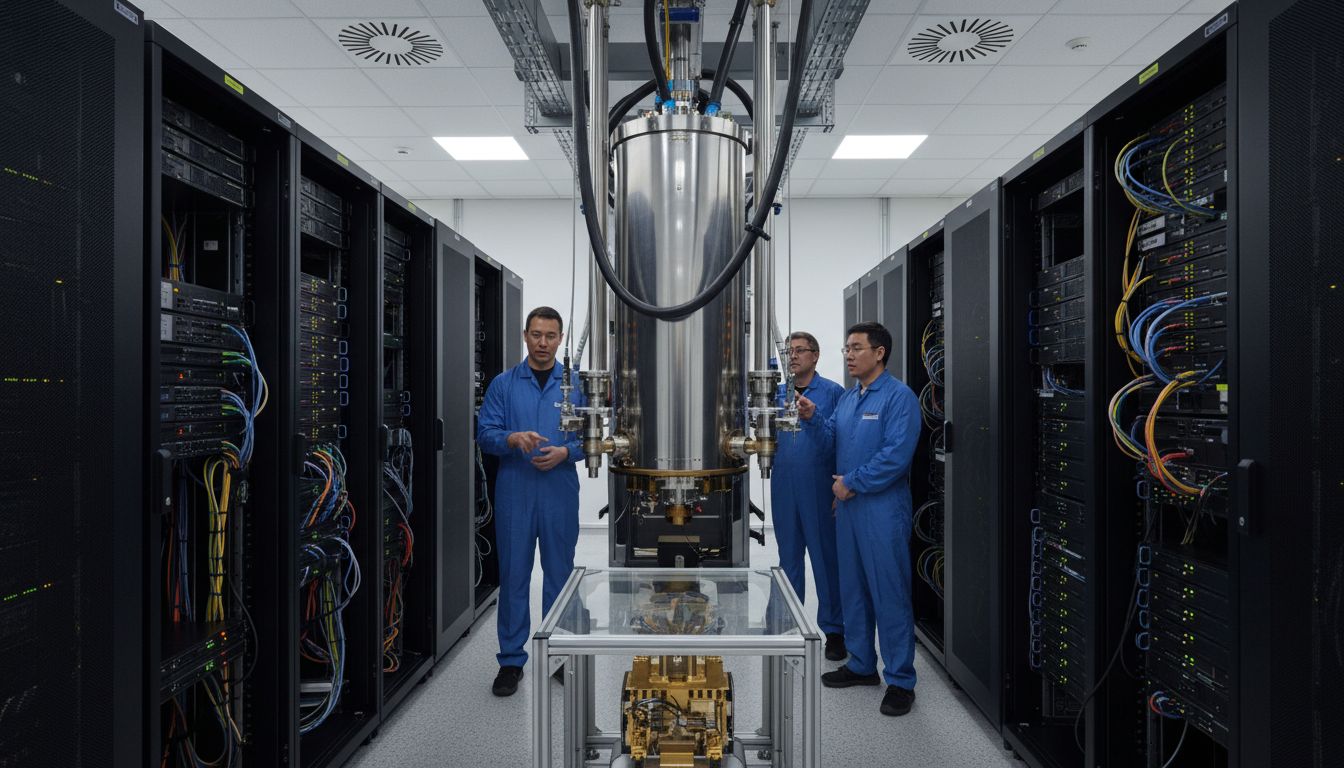
Diraq and Equinix Plan to Install an Eight-Qubit Quantum Computer in a Sydney Data Center
Diraq, an Australian silicon spin-qubit quantum computing company, and Equinix, a global data center operator, have announced plans to install an eight-qubit silicon quantum computer inside an Equinix commercial data center in Sydney. The companies say the installation is targeted for completion in October 2026.
Both companies are presenting the deployment as a milestone moment, describing it as Australia's first quantum computer installed inside a commercial data center. Many observers following the quantum computing industry note that this kind of in-data-center deployment, if it proceeds as described, would mark a notable step toward integrating quantum systems alongside conventional computing infrastructure.
What's Being Claimed as a 'First'
The announcement includes two distinct novelty claims. The first is that this will be Australia's first quantum computer installed inside a commercial data center. The second, broader claim is that this will be the world's first silicon spin quantum system installed within a shared commercial data center facility.
It's worth flagging that both of these superlative claims originate solely from Diraq and Equinix themselves, via a joint press release. No independent party has verified these "first-of-kind" assertions, and readers should treat them as company-stated positioning rather than confirmed industry fact.
Technical Specifications and Design
According to the companies, the system will feature eight qubits with self-contained cryogenic cooling and control systems, designed to fit within a standard data center rack. Diraq and Equinix state the system draws less than 20 kilowatts of power, a figure they position as compatible with existing commercial data center infrastructure.
Diraq also says the underlying chips are fabricated using existing commercial CMOS foundries, which the company frames as a manufacturable and scalable path forward, distinguishing its approach from quantum systems that rely on more exotic or specialized fabrication methods.
The Scaling Claim: Chip Swaps, Not Infrastructure Overhauls
A central part of the companies' pitch is the idea that scaling to a larger number of qubits will require only swapping chips, rather than rebuilding the surrounding cryogenic and data center infrastructure. This is presented as a key commercial advantage over competing quantum architectures.
This claim, however, is aspirational rather than demonstrated. There is currently no publicly available evidence of this scaling approach being proven at higher qubit counts, and the companies' own materials frame it as a future roadmap item rather than an achieved result.
Context: DARPA Selection and Industry Positioning
Diraq has also stated that it is one of 11 companies selected for Stage B of the Defense Advanced Research Projects Agency's Quantum Benchmarking Initiative. This detail is being used by the company to reinforce its credibility and industry standing.
As with the other claims in this announcement, the DARPA selection is company-sourced and has not been independently confirmed within the reporting available. A recurring pattern in coverage of this story is the reliance on credentials and milestones asserted by Diraq itself, rather than corroborated by outside evaluators.
A Single-Source Story: Why Independent Verification Is Still Missing
Nearly all available coverage of this announcement traces back to a single joint corporate press release issued by Diraq and Equinix. Multiple trade publications have covered the story, but much of that coverage closely republishes or paraphrases the original release, with limited additional scrutiny or independent technical review.
It's useful to separate the concrete, checkable claims — such as the stated qubit count, power draw figures, and the October 2026 installation timeline — from the more speculative, forward-looking language used throughout the announcement. Phrases describing a path to "millions of qubits" or the arrival of "utility scale" and "mainstream" quantum computing are industry-trajectory framing from company executives, not demonstrated technical outcomes. A recurring concern with announcements like this is the gap between promotional milestone language and independently verifiable results.
What to Watch Next
Several developments would help validate the claims made in this announcement: actual completion of the installation in October 2026, the publication of independent benchmarking results, and third-party technical assessment of the system's performance and power consumption.
If these steps occur and the claims hold up, many in the industry would view this as a tangible step toward quantum-classical hybrid infrastructure operating in real commercial settings, rather than confined to research laboratories. Until then, the announcement is best understood as a corporate roadmap milestone — plausible and worth watching, but not yet independently confirmed.