Compact AI Computers: Bringing Machine Learning to the Edge
Compact AI Computers: Bringing Machine Learning to the Edge
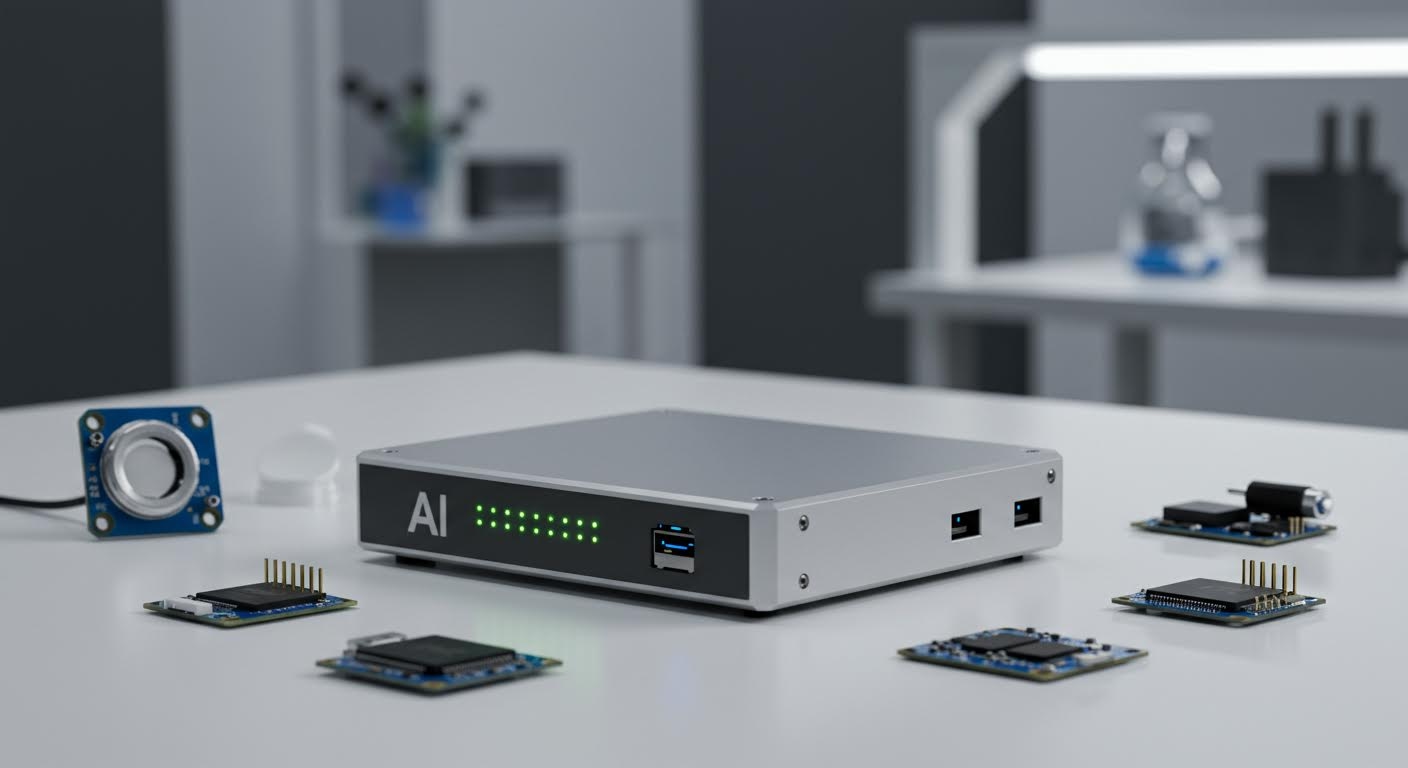
The AI revolution is moving from massive cloud servers to tiny computers you can hold in your hand. These compact AI computers are designed to run machine learning algorithms locally, bringing intelligence directly to devices, sensors, and applications without needing constant internet connectivity.
This shift to "edge computing" is game-changing. Instead of sending data to the cloud and waiting for a response, these mini powerhouses process AI workloads right where they're needed. Whether it's a factory robot that needs split-second decision-making or a smart home device that values your privacy, compact AI computers are making it possible.
The Powerhouse: NVIDIA Jetson Platform
When it comes to serious AI computing in a small package, NVIDIA's Jetson platform leads the pack. These systems pack enterprise-grade AI processing power into boards smaller than a paperback book.
The Jetson family offers options for every need. The entry-level Jetson Nano gets developers started with AI projects, while the high-end Jetson AGX Orin can handle demanding workloads that would challenge full-sized computers. All of them leverage NVIDIA's CUDA architecture and specialized AI chips to crunch through machine learning tasks efficiently.
You'll find Jetson modules powering some impressive real-world applications. Autonomous drones use them for real-time object detection and navigation. Factory robots rely on them for computer vision quality control. Smart city infrastructure depends on them for traffic analysis and security monitoring. The robust development tools and pre-trained AI models make deployment surprisingly straightforward.
Familiar Power: Intel NUC and x86 Solutions
Intel's Next Unit of Computing (NUC) systems bring the familiar x86 architecture to compact AI computing. If your organization already runs on Intel-based systems, NUCs offer a smooth path to adding AI capabilities without disrupting existing workflows.
The big advantage here is compatibility. NUCs run standard Windows and Linux operating systems, work with existing enterprise software, and let IT teams use familiar tools and processes. Intel's integrated graphics and AI acceleration features handle machine learning workloads while maintaining the software ecosystem businesses already know.
Performance-wise, modern NUC systems punch above their weight. They can handle substantial AI tasks while sipping power, making them perfect for edge deployments where every watt counts. For enterprises wanting to dip their toes into edge AI without major infrastructure changes, NUCs provide an ideal stepping stone.
The People's Choice: Raspberry Pi 5
The Raspberry Pi 5 has democratized AI computing like no other platform. At a fraction of the cost of enterprise solutions, it brings real machine learning capabilities to makers, students, and hobbyists worldwide.
The community around Raspberry Pi is extraordinary. Makers have built everything from AI-powered security cameras to educational robots that teach machine learning concepts. The wealth of tutorials, open-source projects, and community support means you're never stuck when building something new.
For many projects, the Pi 5 serves as the perfect prototyping platform. You can develop and test AI applications affordably, then scale up to industrial hardware when you're ready for production. Educational institutions especially love this approach – students get hands-on AI experience without breaking the budget.
Industrial Strength: Qualcomm and Specialized Processors
Industrial environments demand AI computers that can handle extreme conditions while maintaining rock-solid reliability. Qualcomm's industrial IoT processors are built specifically for these challenging deployments.
These systems excel in harsh environments where consumer electronics would fail. They power predictive maintenance systems that monitor factory equipment 24/7, environmental sensors that process data in remote locations, and industrial automation systems that can't afford downtime.
The key is integration with existing industrial infrastructure. These processors support industrial communication protocols, operate across wide temperature ranges, and maintain consistent performance for years of continuous operation. When failure isn't an option, industrial-grade AI computers deliver.
Choosing the Right Platform
Selecting a compact AI computer depends on balancing several key factors. Processing power determines what AI models you can run and how fast they'll execute. Memory and storage affect the complexity of applications you can build. Power consumption matters for battery-powered devices or large deployments.
Different platforms use various AI acceleration approaches. Some rely on dedicated AI chips, others use powerful GPUs, and some employ specialized neural processing units. Each method has strengths depending on your specific AI workloads.
Thermal management becomes critical in compact systems. High-performance AI processing generates heat, and these small computers must dissipate it efficiently. Modern systems use intelligent power management and thermal design to maintain performance while staying cool.
Real-World Applications
Smart manufacturing showcases compact AI computers at their best. Factory floor systems perform real-time quality control using computer vision, monitor equipment health for predictive maintenance, and optimize production processes through intelligent automation. Local processing eliminates network delays and keeps sensitive production data on-site.
Autonomous vehicles and robotics depend heavily on compact AI computers for critical functions. These systems process sensor data for object detection, plan navigation routes, and make split-second decisions – all in real-time. When milliseconds matter, local AI processing is essential.
Healthcare applications benefit enormously from edge AI computing. Medical devices can analyze images, monitor patient vitals, and provide diagnostic assistance while keeping sensitive health data completely private. No cloud processing means no privacy concerns.
Smart homes increasingly rely on local AI processing for automation, security, and energy management. These systems respond instantly to changing conditions, work even when the internet goes down, and keep your personal data private.
Looking Ahead
The future of compact AI computers looks incredibly promising. Next-generation processors will pack even more AI performance into smaller, more efficient packages. The integration of 5G connectivity and advanced edge computing infrastructure will enable new applications we haven't imagined yet.
Market growth in edge AI is accelerating across industries. Companies want real-time AI responses, consumers demand better privacy protection, and the price-performance ratio of compact AI hardware keeps improving. This creates opportunities spanning automotive, healthcare, manufacturing, and consumer electronics.
The biggest impact may be the democratization of AI capabilities. As these systems become more powerful and affordable, AI stops being the exclusive domain of tech giants and becomes accessible to small businesses, makers, and innovators worldwide. That's a future where intelligence lives everywhere, processing locally and responding instantly to our needs.