ChatGPT-Powered Educational Robots: Revolutionizing Interactive Learning
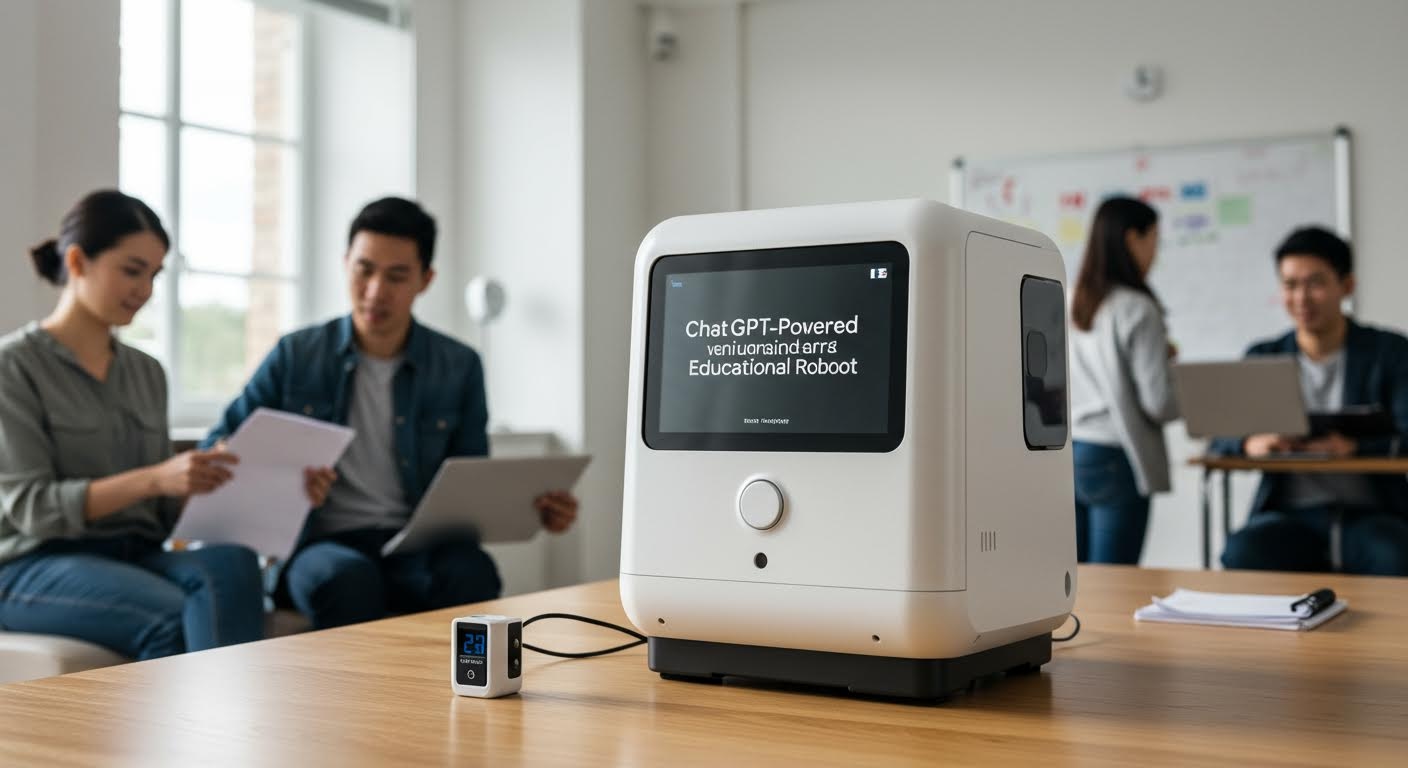
Educational robotics has entered an exciting new phase with ChatGPT's conversational AI capabilities. These smart learning companions merge OpenAI's advanced language processing with robotic platforms, creating interactive educational experiences that adapt to each student's unique needs and learning style.
How the Technology Works
ChatGPT-powered educational robots work by connecting OpenAI's API with various robotic hardware platforms. The system processes what students say in real-time, then generates educational responses through the robot's interface.
The setup requires solid hardware that can maintain internet connectivity for API calls, audio systems for speech recognition and response, and enough processing power to manage conversations and deliver educational content. Many robots use tablets or touchscreens alongside voice interaction to create richer learning experiences.
Managing real-time conversations brings unique challenges since educational interactions need faster responses than typical chatbots. Developers solve this through smart strategies like caching common educational answers and processing routine interactions locally to reduce dependence on external APIs.
Educational Benefits and Real-World Applications
The biggest advantage of ChatGPT-powered educational robots is their ability to provide personalized tutoring tailored to individual students. These systems adjust their communication style, difficulty level, and subject focus based on how students interact and respond.
Unlike human teachers managing entire classrooms, these robotic tutors offer consistent, patient instruction available around the clock. They can repeat explanations as many times as needed, explain concepts from different angles, and keep detailed records of student progress and challenges.
Interactive features vary depending on the robot's capabilities. Some systems use physical gestures, visual displays, and basic movement to create more engaging learning experiences. They're being used for language learning, math tutoring, science education, and even programming instruction.
Technical Hurdles and Current Limitations
Despite impressive capabilities, ChatGPT-powered educational robots face several technical challenges that affect their performance. Understanding natural language in educational settings means handling different vocabulary levels, accents, and age-appropriate communication patterns that can challenge even advanced AI systems.
Physical limitations of robotic platforms restrict the types of educational activities these systems can support. Most current versions focus on conversation-based learning rather than hands-on activities or complex demonstrations that human teachers excel at.
Internet connectivity requirements create significant challenges for schools with limited network infrastructure. System reliability depends entirely on stable connections and ChatGPT API availability, potentially disrupting learning during outages or high-traffic periods.
The accuracy of AI-generated educational content remains an ongoing concern. While ChatGPT shows impressive knowledge across many subjects, it can occasionally provide incorrect information or miss when students have fundamental misunderstandings that need targeted help.
Privacy, Safety, and Ethical Concerns
Student data privacy is a critical issue for ChatGPT-powered educational robots, especially regarding compliance with regulations like COPPA (Children's Online Privacy Protection Act). All student interactions get processed through OpenAI's servers, raising questions about data storage, usage, and third-party access to sensitive educational information.
Physical safety becomes essential when deploying robots in classrooms with young students. Hardware design must consider durability, non-toxic materials, and safety mechanisms to prevent injury during normal use or system failures.
AI bias and content filtering present complex challenges in educational settings. Educational robots must handle sensitive topics appropriately while avoiding biases that could impact student learning or self-image. Strong content filtering and regular monitoring are essential for responsible use.
Regulatory frameworks for AI in education are still developing, requiring schools to create comprehensive policies for robot deployment, student interaction monitoring, and educational outcome assessment.
Cost Analysis and Scalability Challenges
The financial investment for ChatGPT-powered educational robots far exceeds traditional educational tools. Initial costs include robotic hardware, software licensing, network upgrades, and staff training programs.
Ongoing operational expenses present particular challenges for budget-conscious schools. ChatGPT API usage costs increase with student interaction volume, creating unpredictable monthly expenses that vary based on system usage.
Maintenance adds another layer of complexity, including hardware repairs, software updates, security patches, and technical support. These often require specialized expertise that many schools don't have internally.
Scaling from pilot programs to district-wide deployments brings significant challenges. Combined costs of API usage, hardware maintenance, and technical support can quickly exceed budgets, limiting adoption mainly to well-funded schools and districts.
Research Results and Educational Effectiveness
Early research on ChatGPT-powered educational robots shows mixed but promising results. Some studies indicate improved student engagement and retention, particularly among students who struggle with traditional classroom formats or have specific learning needs.
Studies comparing learning outcomes against traditional methods show varying results depending on subject matter, student demographics, and implementation quality. Math and language learning applications generally show more measurable improvements than subjects requiring complex reasoning or creative thinking.
Teacher feedback reveals both excitement and concern about classroom integration. While educators appreciate the robots' ability to provide individual attention and free up time for other activities, many worry about over-reliance on technology and potential impacts on human interaction skills.
Long-term impact studies remain limited since this technology is relatively new. Researchers continue investigating sustained engagement, educational effectiveness over time, and potential unintended consequences of AI-mediated learning.
Future Trends and What's Next
The educational robotics market continues evolving rapidly as AI capabilities improve and hardware costs decrease. Next-generation systems promise better natural language understanding, enhanced physical capabilities, and more sophisticated personalization.
Industry partnerships between AI companies, robotics manufacturers, and educational content providers are creating more comprehensive learning ecosystems. These collaborations aim to address current limitations while developing specialized applications for specific educational contexts and age groups.
Emerging developments include integration with virtual and augmented reality technologies, improved emotional intelligence for better student connections, and advanced analytics for detailed learning assessment and curriculum optimization.
Market projections suggest significant growth in coming years, driven by increased investment in educational technology and growing acceptance of AI-assisted learning. However, adoption rates will likely depend on addressing current challenges around cost, privacy, and proven educational effectiveness.