Can We Really Bring Extinct Species Back Using Genetic Technology?
The idea of bringing extinct species back from the dead has captivated scientists and the public for decades. What was once pure science fiction is now edging closer to reality, thanks to revolutionary genetic technologies like CRISPR gene editing and advanced cloning techniques. But as researchers make genuine progress toward de-extinction, a crucial question emerges: can we really do it, and should we?
The Current State of De-Extinction Technology
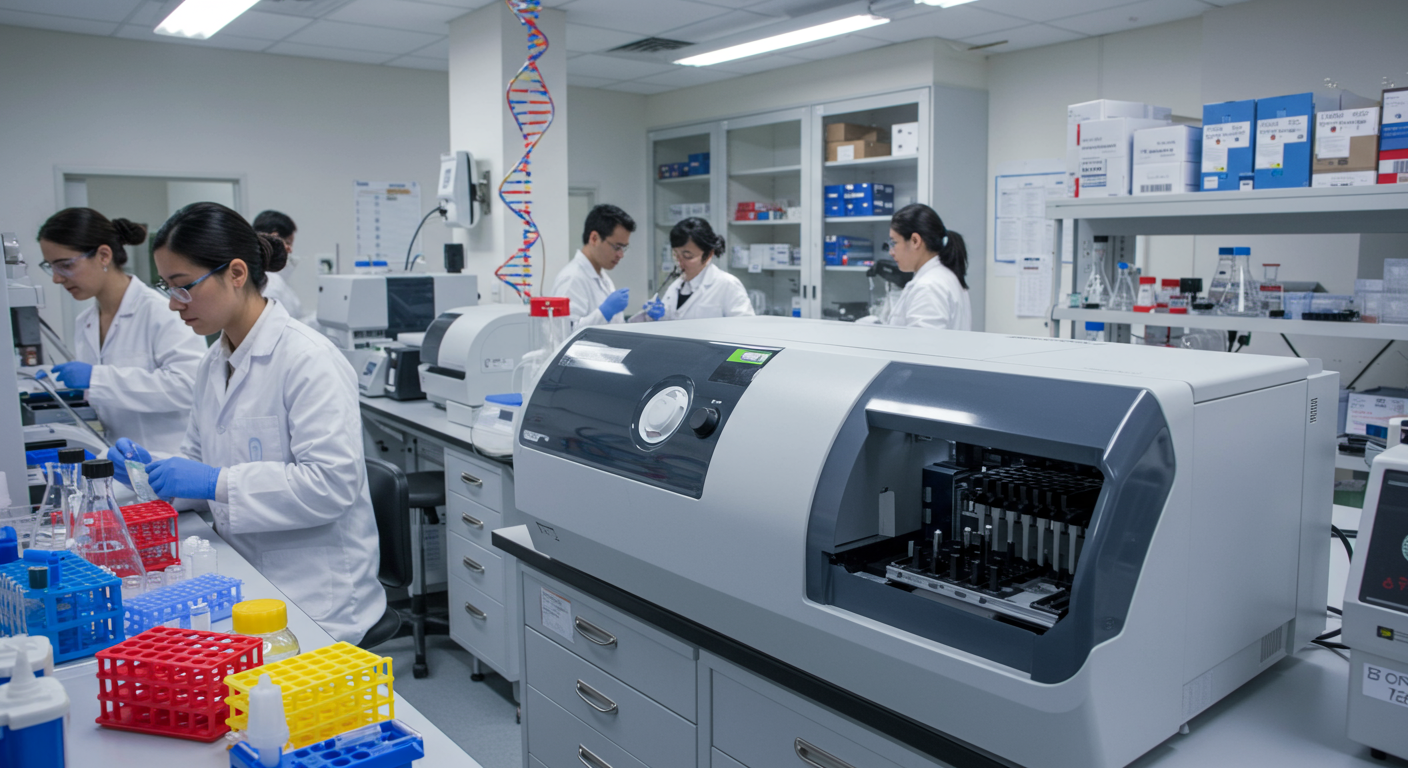
Modern de-extinction efforts rely primarily on CRISPR-Cas9 gene editing, which allows scientists to precisely modify DNA sequences. Researchers extract genetic material from well-preserved specimens and use advanced genome sequencing to reconstruct ancient genetic codes. The process involves identifying key genetic differences between extinct species and their closest living relatives, then editing the living species' genome to incorporate extinct traits.
Advanced cloning techniques complement this genetic reconstruction. Scientists can potentially use edited cells to create embryos through somatic cell nuclear transfer—the same process used to clone Dolly the sheep. However, significant gaps remain between what's theoretically possible and what researchers can actually accomplish in practice.
DNA degradation over time presents a fundamental challenge. Even in ideal preservation conditions, genetic material breaks down, leaving scientists with incomplete genetic blueprints. This reality means that true species resurrection may be impossible—instead, researchers are creating genetic hybrids that approximate extinct species.
Leading De-Extinction Projects and Their Progress
Colossal Biosciences has emerged as the most prominent player in de-extinction research, securing substantial funding for their woolly mammoth project. The company plans to create mammoth-elephant hybrids by editing Asian elephant genomes to include mammoth traits like cold resistance, smaller ears, and dense fur.
Other ambitious projects target the passenger pigeon, Tasmanian tiger, and northern white rhino. Each species presents unique challenges and opportunities. The passenger pigeon project, led by Revive & Restore, focuses on editing band-tailed pigeon genomes, while efforts to save the northern white rhino use stored genetic material from recently deceased individuals.
Current achievements remain largely in early research phases. Scientists have successfully identified key genetic differences and demonstrated proof-of-concept gene editing in laboratory settings. However, no project has yet produced a living animal that represents a successfully de-extinct species. Realistic timelines suggest the first hybrid offspring might appear within the next decade, though creating viable populations will take much longer.
The Technical Challenges We Still Face
Beyond incomplete genetic information, de-extinction faces numerous biological hurdles. Creating hybrids rather than true species resurrection raises questions about what exactly constitutes bringing a species back. These genetic approximations may look similar to their extinct counterparts but could behave quite differently.
Reproductive biology presents another major obstacle. Even if scientists successfully create hybrid embryos, they need suitable surrogate mothers to carry pregnancies to term. For mammoth projects, this means using Asian elephants, which have 22-month gestation periods and complex social structures that could affect hybrid offspring development.
Scaling from individual laboratory successes to viable breeding populations represents perhaps the greatest challenge. A single hybrid animal doesn't constitute species resurrection—researchers need genetically diverse populations capable of long-term survival and reproduction.
Ecological and Environmental Considerations
Successfully creating hybrid species is only the beginning. These animals must survive and thrive in modern environments that have changed dramatically since their ancestors' extinction. Woolly mammoths evolved for Ice Age ecosystems that no longer exist, raising questions about where and how they would live today.
Proponents argue that quasi-extinct species could provide significant ecological benefits. Mammoth-like creatures might help restore Arctic grasslands and combat climate change by maintaining permafrost through their grazing and trampling behaviors. This "rewilding" approach could help repair damaged ecosystems.
However, introducing genetically modified hybrid species into existing environments carries risks. These animals might compete with current species, spread diseases, or disrupt established ecological relationships. Their habitat requirements might conflict with human land use or conservation efforts for currently endangered species.
The Ethics Debate: Should We Bring Back the Dead?
De-extinction projects raise profound ethical questions about resource allocation and priorities. Critics argue that the millions of dollars spent on bringing back extinct species could be better used protecting the many species currently facing extinction. With limited conservation funding available, some question whether de-extinction represents responsible stewardship.
The concept of "playing god" through species resurrection troubles many ethicists and religious groups. Creating new life forms that approximate extinct species ventures into unprecedented territory regarding humanity's relationship with nature and our responsibility for the consequences.
Indigenous communities and local cultures often have important perspectives on extinct species that inhabited their traditional territories. Their views on species resurrection and the cultural significance of extinct animals should inform de-extinction decisions, though these voices are sometimes overlooked in scientific discussions.
Long-term responsibility for revived species presents another ethical dimension. If scientists successfully create hybrid populations, society becomes responsible for their welfare, habitat needs, and ecological impacts indefinitely.
What Scientists Actually Think Is Possible
Expert consensus suggests a more modest reality than popular media often portrays. Most researchers believe that creating genetic hybrids with extinct traits is achievable within the next few decades, but true species resurrection remains unlikely or impossible.
The most promising candidates for successful de-extinction are recently extinct species with well-preserved genetic material and closely related living species. The northern white rhino and some recently extinct bird species offer better prospects than ancient species like dinosaurs or even mammoths.
Many scientists advocate for "genetic rescue" approaches rather than full resurrection. These strategies focus on using genetic technologies to help endangered species by increasing their genetic diversity or providing resistance to diseases and environmental challenges.
The scientific community increasingly emphasizes that de-extinction should complement, not replace, traditional conservation efforts. Rather than viewing it as a solution to extinction, researchers position genetic rescue and de-extinction as additional tools in a broader conservation toolkit.
While we may never truly bring extinct species back from the dead, genetic technologies are opening new possibilities for conservation and ecological restoration. The question isn't just whether we can do it, but how these approaches can best serve broader conservation goals and environmental stewardship.