Can We Really Bring Extinct Species Back Using Genetic Technology?
The idea of bringing extinct species back to life has captured imaginations for decades, from science fiction novels to blockbuster movies. Today, advances in genetic technology are making this concept a scientific reality—or at least something approaching it. But can we truly resurrect extinct species, or are we creating something entirely different?
The Science Behind De-Extinction
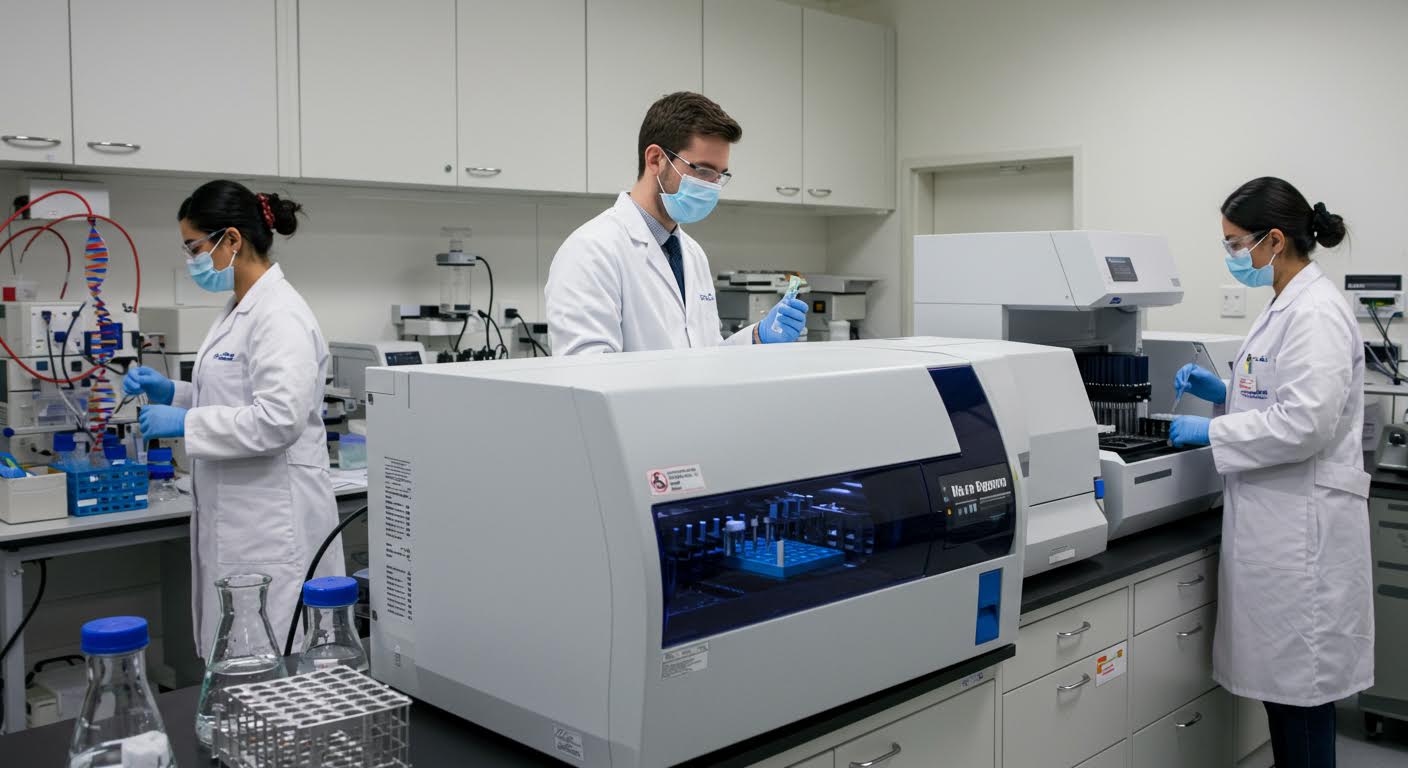
Modern de-extinction efforts rely on several cutting-edge genetic technologies. CRISPR-Cas9 gene editing allows scientists to precisely modify DNA sequences, while traditional cloning techniques and selective breeding complement these molecular tools.
The process begins with extracting and analyzing ancient DNA from preserved specimens—bones, teeth, hair, or tissue samples that have survived in permafrost, amber, or other protective environments. Scientists then sequence this degraded genetic material and compare it to DNA from closely related living species.
Using gene editing tools, researchers can modify the DNA of living species to incorporate traits from their extinct relatives. Rather than true resurrection, this creates genetic proxies—animals that approximate extinct species but aren't identical to them.
This distinction is crucial: we're not actually bringing species back from the dead, but rather engineering living animals to resemble their extinct cousins as closely as possible.
Leading De-Extinction Projects and Targets
Several ambitious projects are currently underway. Colossal Biosciences, a well-funded biotechnology company, leads the effort to revive the woolly mammoth by editing Asian elephant DNA to include mammoth-like traits such as cold resistance and distinctive fur.
The passenger pigeon restoration project takes a similar approach, using band-tailed pigeons as the genetic foundation. Researchers are working to recreate the passenger pigeon's unique flocking behavior and physical characteristics through targeted genetic modifications.
Australian scientists are pursuing the Tasmanian tiger, or thylacine, using preserved specimens and advanced sequencing techniques. This project faces particular challenges due to the relatively recent extinction in 1936 and limited genetic samples.
Academic institutions worldwide contribute additional research initiatives, each developing specialized techniques for different species and genetic challenges.
The Technical Challenges
Despite technological advances, de-extinction faces significant scientific hurdles. Ancient DNA degrades over time, leaving researchers with incomplete genetic blueprints. Even well-preserved specimens rarely provide complete genetic sequences.
Complex gene-environment interactions present another obstacle. Many traits result from intricate relationships between multiple genes and environmental factors that existed millions of years ago—conditions we can't fully understand or replicate today.
Reproductive biology creates additional complications. Successfully edited embryos must develop in surrogate mothers from related species, a process that often fails. Even if births occur, creating genetically diverse, viable populations requires numerous successful individuals.
The gap between laboratory demonstrations and establishing wild populations remains enormous, involving challenges that extend far beyond genetic engineering.
Ecological and Practical Considerations
Assuming scientists overcome technical challenges, ecological questions arise. Many extinct species lived in environments that no longer exist. The Arctic ecosystem that supported woolly mammoths has changed dramatically over 4,000 years.
Introducing "new" species carries potential ecological risks. These genetic proxies might interact unexpectedly with existing ecosystems, potentially disrupting established relationships between current species.
Integration challenges extend beyond immediate ecological impacts. How would mammoth-like creatures affect Arctic vegetation, permafrost, or other wildlife? Scientists are still studying these complex ecosystem interactions.
Timeline and scalability issues compound these concerns. Creating single individuals is vastly different from establishing sustainable populations that can survive and reproduce independently in the wild.
The Ethical and Resource Debate
De-extinction raises significant ethical questions about conservation priorities. Critics argue that billions of dollars spent on recreating extinct species could prevent numerous current extinctions instead.
The conservation community remains divided. Some scientists view de-extinction as an exciting tool that could restore lost ecosystem functions, while others see it as a distraction from protecting existing biodiversity.
Moral implications arise around creating genetic approximations rather than authentic species. Are we truly bringing back extinct animals, or creating entirely new creatures that merely resemble historical species?
Funding allocation presents practical ethical concerns. With limited conservation resources and thousands of species currently threatened, some argue that preventing extinctions should take priority over reversing them.
Current Progress and Future Outlook
Recent breakthroughs have advanced several projects significantly. According to Nature and Science Magazine, researchers have successfully created mammoth-elephant hybrid cells and made progress on passenger pigeon genetic modifications. However, these laboratory successes remain far from living, breathing animals.
Realistic timelines suggest the first de-extinction births might occur within the next decade, but establishing viable populations could take many decades longer. Success would likely look quite different from public expectations—small numbers of carefully managed animals rather than thriving wild populations.
The technology's applications extend beyond de-extinction. Genetic engineering techniques developed for these projects could help save currently endangered species by increasing genetic diversity or adding disease resistance.
While we may never truly resurrect extinct species, de-extinction research is pushing the boundaries of genetic engineering and conservation biology. Whether these efforts ultimately succeed in their stated goals or find their greatest value in unexpected applications remains an open question.
The answer to whether we can really bring back extinct species appears to be both yes and no—we can create something close, but it won't be exactly what we lost.