Amazon Backs 960-Megawatt Nuclear Plant in Indiana Using X-energy's Small Modular Reactors
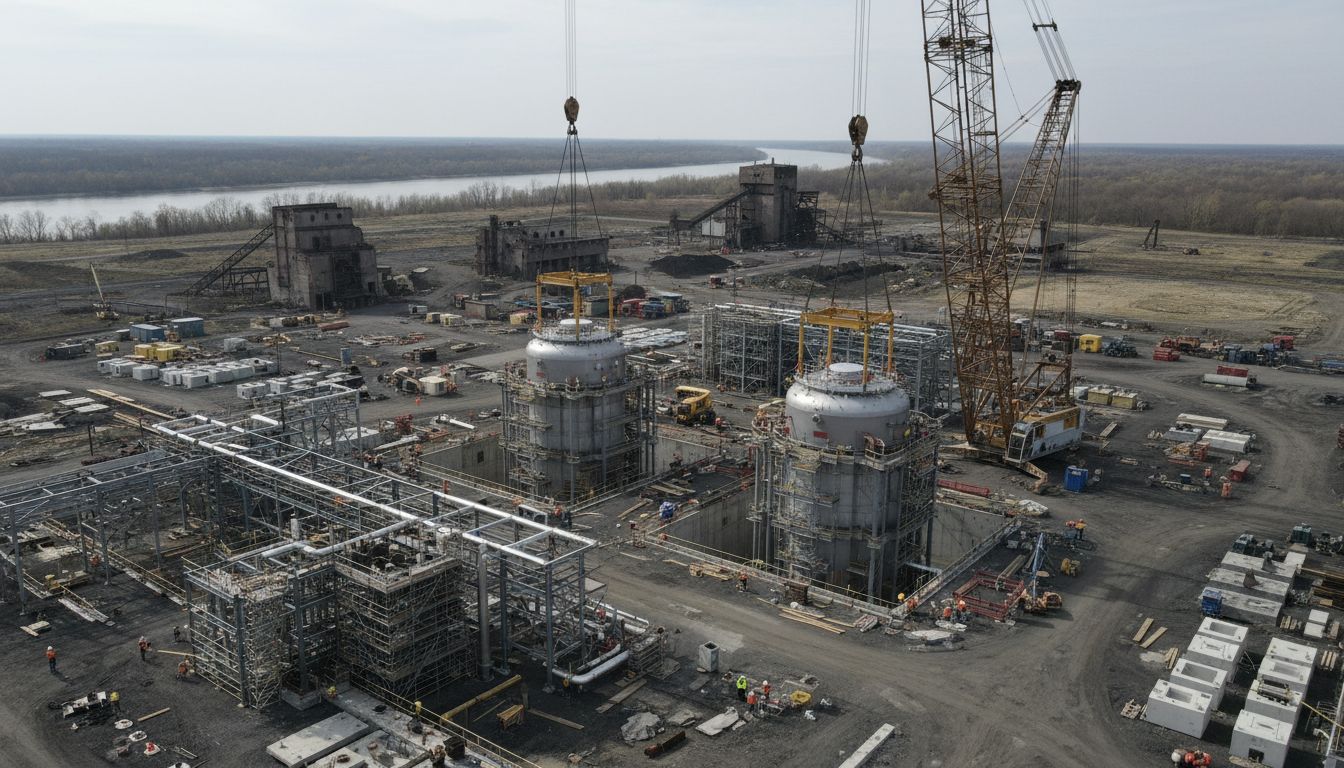
Amazon Backs 960-Megawatt Nuclear Plant in Indiana
Amazon, American Electric Power (AEP), and X-energy have announced plans to build a 960-megawatt nuclear power plant in Indiana on the site of a former coal-fired power plant. The project will use twelve of X-energy's Xe-100 small modular reactors (SMRs), placing it among the more ambitious nuclear buildouts tied to Big Tech's growing appetite for electricity. Repowering retired fossil fuel sites with nuclear generation has become an increasingly common strategy across the industry, since these locations offer existing grid connections and infrastructure that can shorten permitting timelines.
How the Deal Is Structured
Under the proposed arrangement, AEP will operate the plant while X-energy supplies the reactor technology. Electricity generated at the facility is intended to serve both the regional grid and Amazon's data center operations in the area. The announcement builds on Amazon's earlier $700 million Series C-1 investment in X-energy, made in October 2024, and is part of a broader Amazon-X-energy ambition to deploy 5 gigawatts of SMR capacity by 2039.
The Execution Risk Behind the Announcement
A recurring concern centers on how much of this plan rests on unproven ground. X-energy has not yet broken ground at its first planned commercial site in Seadrift, Texas. That project has also drawn legal scrutiny: the state of Texas has filed a lawsuit alleging the Seadrift site is in habitual non-compliance with water and solid-waste regulations. Separately, the Nuclear Regulatory Commission has issued an Environmental Assessment with a Finding of No Significant Impact for the Seadrift project, a regulatory milestone that falls well short of actual construction. Because Indiana represents a later deployment in X-energy's broader rollout, its feasibility is tied, at least by proxy, to how Seadrift's first-of-a-kind build ultimately plays out.
Industry Context: Why Experts Are Cautious
Skepticism around the announcement is shaped in part by the U.S. nuclear industry's documented history of budget overruns and schedule delays on large-scale projects. Independent experts have also questioned whether mass manufacturing of small modular reactors will actually deliver the cost and schedule advantages that have long been promised. Some analysts point to a possible decade-long lag before such benefits, if they materialize at all, would become apparent. Given this, the 2039 target of 5 gigawatts is viewed by some as an aggressive timeline that depends heavily on the near-term success of a reactor design that has yet to be built anywhere.
Market Reaction and Financial Backdrop
X-energy's path to this point has included notable volatility in public markets. The company's initial public offering was priced at $23 per share and rose roughly 27% on its debut day, but shares have since fallen by nearly two-thirds from those highs. Following the Amazon and AEP announcement, X-energy's stock reportedly rose about 10% in premarket trading, suggesting renewed investor interest even as longer-term questions about execution remain unresolved. Trade publications covering the nuclear and energy sectors have corroborated the basic terms of the deal, lending independent confirmation beyond the companies' own statements.
What This Means Going Forward
The Indiana project is shaping up as a high-profile test case for whether small modular reactors can move from announcement to commercial reality on a meaningful timeline. The outcome at Seadrift, whether it breaks ground smoothly, faces further legal or regulatory delays, or stalls entirely, will likely influence investor and regulatory confidence in the Indiana timeline as well. More broadly, the deal reflects a wider pattern of major technology companies turning to nuclear power as a potential long-term answer to the rising energy demands of data centers, even as the underlying technology remains commercially unproven at scale.