AI Sports Training Robots: How Smart Technology Is Revolutionizing Athletic Performance
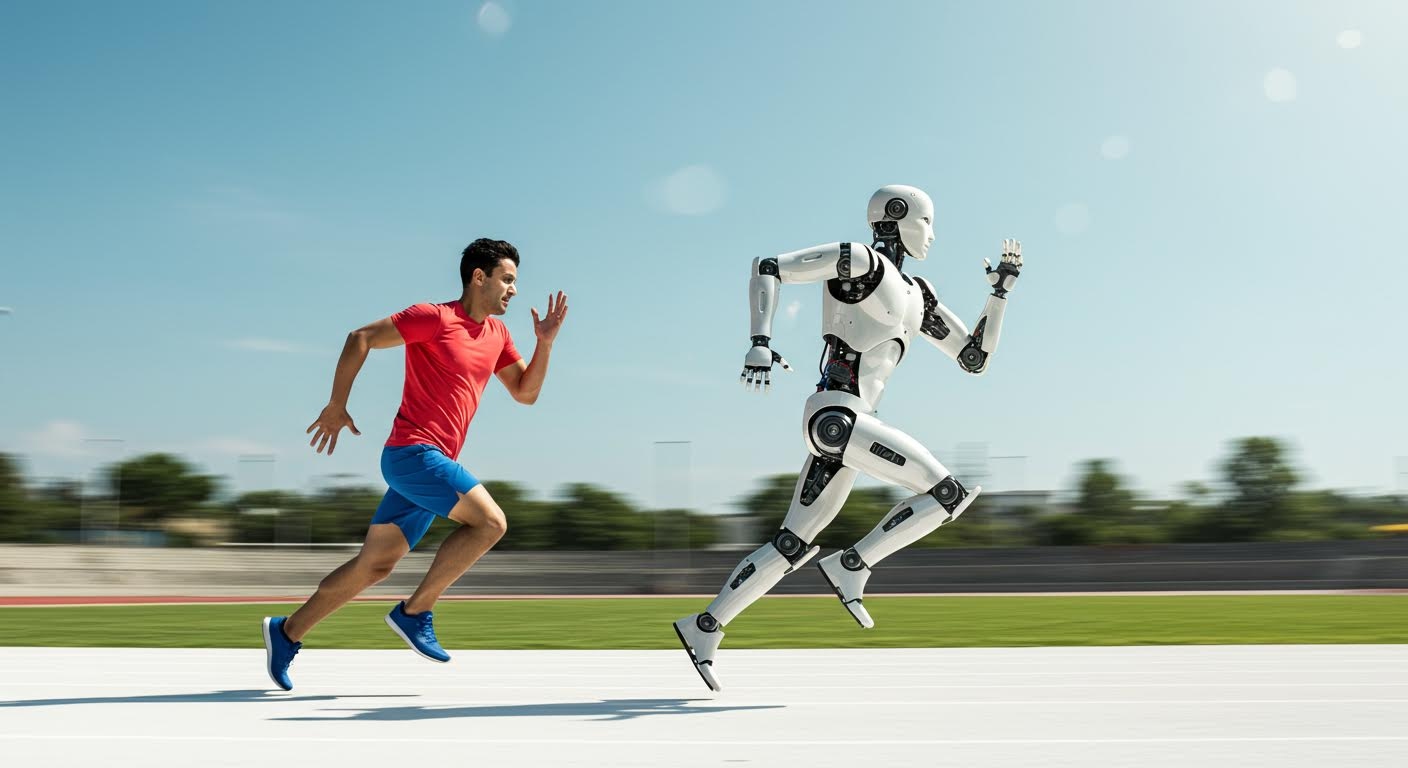
AI Sports Training Robots: How Smart Technology Is Revolutionizing Athletic Performance
Imagine having a tireless training partner that never gets frustrated, always shows up on time, and continuously learns how to make you better. That's exactly what AI-powered sports training robots are delivering to athletes around the world.
These sophisticated systems combine artificial intelligence, robotics, and sports science to create training experiences that were pure science fiction just a decade ago. Whether you're a weekend warrior looking to improve your tennis serve or a professional athlete fine-tuning technique, AI sports training robots are quickly becoming game-changers in athletic development.
The Technology Behind the Magic
AI sports training robots work by combining three core technologies that complement each other perfectly.
First, computer vision acts as the robot's eyes, using advanced cameras and sensors to track every movement you make. These systems can spot subtle flaws in your technique that even experienced coaches might miss, analyzing everything from your stance to your follow-through in real-time.
Machine learning algorithms serve as the brain, processing massive amounts of movement data to understand patterns and predict what training approaches will work best for each individual athlete. The more you train with these systems, the smarter they become about your specific needs and goals.
Finally, the robotic hardware provides the physical interaction. Modern systems can adjust their speed, trajectory, and intensity on the fly, creating training scenarios that perfectly match your skill level while gradually pushing you to improve.
Real-World Applications Taking Off
Today's AI sports training robots come in several exciting varieties, each designed for specific sports and training goals.
Tennis players can now train with AI-powered ball machines that don't just shoot balls randomly – they can replicate the exact shot patterns of professional players like Serena Williams or Rafael Nadal. Baseball players work with robotic pitching systems that can throw curveballs, sliders, and fastballs with pinpoint accuracy.
Basketball and soccer players are training with humanoid robots that can simulate opponent behaviors, providing consistent defensive pressure without needing to coordinate schedules with human training partners.
Perhaps most impressively, biomechanical analysis systems are helping athletes across all sports improve their form while preventing injuries. These systems can detect movement inefficiencies that might cause problems down the road, offering corrections before bad habits become ingrained.
Why Athletes Love Training with Robots
The benefits of AI sports training robots go well beyond the novelty factor. These systems excel at creating truly personalized training experiences that adapt to your unique strengths, weaknesses, and goals.
The instant feedback capability represents a major breakthrough. Instead of waiting for a coach to review video footage later, athletes get immediate corrections and suggestions. This means you can adjust your technique on the spot, leading to faster improvement and better muscle memory development.
There's also the convenience factor – these robotic training partners are available 24/7, rain or shine. No more cancelled training sessions due to scheduling conflicts or bad weather. Advanced analytics track your progress over weeks and months, providing insights that help optimize your training strategy over time.
Current Challenges and Limitations
While the technology is impressive, AI sports training robots still face some significant hurdles.
Real-time processing demands enormous computational power. Even tiny delays can throw off the training experience, especially in fast-paced sports where split-second timing matters. Engineers are constantly working to minimize latency while maintaining accuracy.
Safety remains a top priority as these robots operate in dynamic environments with moving athletes. Sophisticated collision avoidance systems and multiple fail-safes are essential, but they add complexity and cost to the systems.
Speaking of cost, high-quality sensors, processing hardware, and durable mechanical components don't come cheap. While prices are dropping, the initial investment can still be substantial, particularly for consumer-level systems that need to work reliably across different sports and skill levels.
Market Adoption and Industry Impact
Professional sports teams and elite training facilities have been the early adopters, using AI sports training robots to gain competitive edges and optimize player development. Major league organizations are investing heavily in these technologies to enhance performance while reducing injury rates.
The consumer market is experiencing rapid growth as the technology becomes more accessible. Home training systems are starting to appear at price points that make sense for serious amateur athletes.
Interestingly, human coaches aren't being replaced – their roles are evolving. Coaches are focusing more on strategy, motivation, and emotional support while AI systems handle repetitive drills and provide detailed technical analysis. It's turning into a powerful partnership between human expertise and artificial intelligence.
Privacy and Ethical Considerations
AI sports training robots collect incredibly detailed information about athlete performance, including biometric data and movement patterns. This raises important questions about data privacy and how that information gets used.
There are also concerns about the impact of constant performance monitoring, especially for young athletes. While data-driven feedback is valuable, maintaining the fun and natural development aspects of sports remains important.
The industry is working to establish standards that ensure AI systems enhance rather than replace the valuable human elements of coaching and mentorship.
What's Coming Next
The next generation of AI sports training robots promises even more exciting capabilities. Developers are working on systems with improved natural language processing for verbal coaching, advanced haptic feedback that can guide your movements, and more sophisticated algorithms that can predict and prevent injuries.
Integration with augmented reality and virtual training environments is opening up possibilities for immersive training experiences that combine physical robotic interaction with digital simulations. Imagine practicing basketball against virtual opponents while a robotic system provides real physical resistance and feedback.
The technology is also expanding into therapeutic and rehabilitation applications, helping injured athletes recover faster and enabling adaptive sports training for athletes with disabilities.
As costs continue to drop and capabilities expand, widespread consumer adoption seems inevitable. Most experts predict that AI sports training robots will become as common as fitness trackers within the next decade, fundamentally changing how we think about athletic training and performance optimization.