AI-Powered Toys Dominate 2025 Holiday Shopping Season
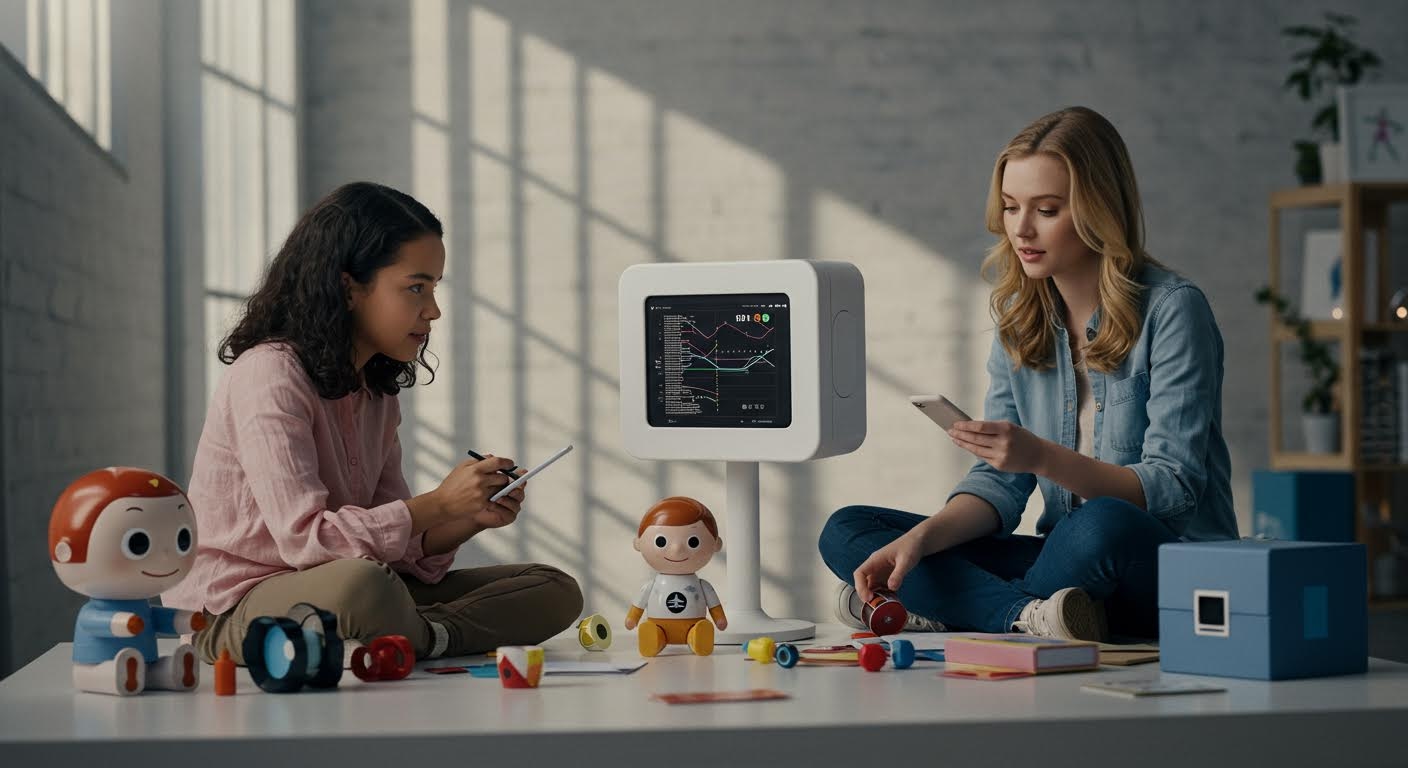
The 2025 holiday shopping season has marked a turning point for the toy industry, with AI-powered playthings capturing unprecedented consumer demand and reshaping how families approach gift-giving. This technological shift represents more than a seasonal trend—it signals a fundamental change in how children play and learn.
AI Toys Take Center Stage in Holiday Shopping
The AI toy market has exploded in 2025, with industry analysts reporting massive surges in both consumer interest and retail sales. These high-tech toys have claimed prime real estate at major retailers, commanding premium prices while flying off shelves throughout the holiday season.
Traditional toy categories are losing ground to AI-enhanced alternatives as parents increasingly prioritize products that blend entertainment with education. Holiday shopping data shows consumers are happily paying more for AI toys, viewing them as long-term investments in their children's development rather than disposable playthings.
The numbers tell the story: AI toys are consistently outperforming conventional alternatives in both unit sales and revenue, proving that consumer enthusiasm for smart play experiences has serious staying power.
What's Hot in AI Toys Right Now
Interactive companions and robotic pets are stealing the show this holiday season. These digital friends can recognize voices, learn what kids like, and actually develop unique personalities over time—creating genuine bonds that grow stronger with play.
STEM-focused AI toys are another massive hit with parents eager to prep their kids for a tech-driven future. These clever devices weave coding, math, and science into fun activities that automatically adjust as children's skills improve.
AI storytelling toys are captivating young imaginations by creating personalized adventures. Using natural language processing, they craft unique tales featuring each child's name, interests, and previous interactions—essentially becoming infinite story generators tailored to individual kids.
Even classic building blocks have gotten the AI treatment. Smart construction toys now provide helpful feedback, suggest new designs, and teach engineering concepts through guided building experiences that match each child's ability level.
The Tech Making It All Possible
Today's AI toys pack serious technological punch. Voice recognition and natural language processing let them understand and respond to kids' questions with impressive accuracy and context awareness—no more robotic, scripted responses.
Machine learning algorithms power truly personalized experiences by studying how each child plays, what they prefer, and how they're progressing. These systems get smarter over time, creating increasingly relevant and engaging interactions.
Computer vision and gesture recognition mean toys can interpret physical movements and visual cues, making interactions feel completely natural. Advanced models recognize facial expressions, track hand movements, and respond to changes in their environment.
Cloud connectivity opens up vast content libraries and enables powerful processing beyond what the physical toy could handle alone. This connection allows adaptive learning systems to improve while maintaining strict privacy protections.
Why Parents Are All-In on AI Toys
Parents aren't just buying these toys for the cool factor—they see them as investments in their children's future. With AI becoming ubiquitous, many families view smart toys as essential preparation for tomorrow's world.
These products typically target kids from preschool through middle school, with content and difficulty that grows alongside children. Urban, higher-income families are leading adoption, but the appeal is spreading rapidly across demographics.
The educational angle is huge. Parents love that these toys can provide personalized tutoring while keeping kids engaged through play. The ability to offer customized challenges appeals especially to families focused on individualized learning.
Despite premium pricing that often exceeds traditional toys, parents consistently demonstrate willingness to invest more for perceived long-term value. This price acceptance has enabled manufacturers to incorporate increasingly sophisticated technology while maintaining healthy profits.
Privacy and Safety: What Parents Need to Know
Smart toys handling children's data rightfully raise privacy concerns. Modern AI toys typically implement robust privacy policies specifically designed for young users, including parental consent systems and data minimization practices.
Parental controls have become standard, letting guardians monitor interactions, set usage limits, and manage connectivity features. Many products process information locally to minimize data transmission while maintaining AI functionality.
Regulatory standards continue evolving as the industry develops best practices for AI toy safety and privacy. Manufacturers increasingly work with child development experts and privacy advocates to ensure responsible development.
Experts recommend parental involvement, regular privacy reviews, and maintaining balance between digital and traditional play. Child development specialists generally support AI toy integration when properly managed and age-appropriate.
Industry Transformation and What's Next
Traditional toy companies are scrambling to add AI capabilities to existing products while launching entirely new smart toy lines. This rapid adaptation reflects growing recognition that AI features may soon become baseline expectations rather than premium add-ons.
Retailers have adapted too, creating demonstration spaces, offering technical support, and training staff on AI toy features. Marketing strategies now emphasize educational benefits and long-term value over simple entertainment appeal.
Market projections remain bullish, with analysts expecting continued growth as technology costs drop and capabilities expand. Emerging innovations include augmented reality integration, emotional intelligence development, and connectivity between different AI toys.
The long-term impact on child development remains under study, but early research suggests positive effects on problem-solving, tech comfort, and creativity when AI toys complement rather than replace traditional play.