AI-Powered Robots Are Breaking Out of Factories and Into Our Daily Lives
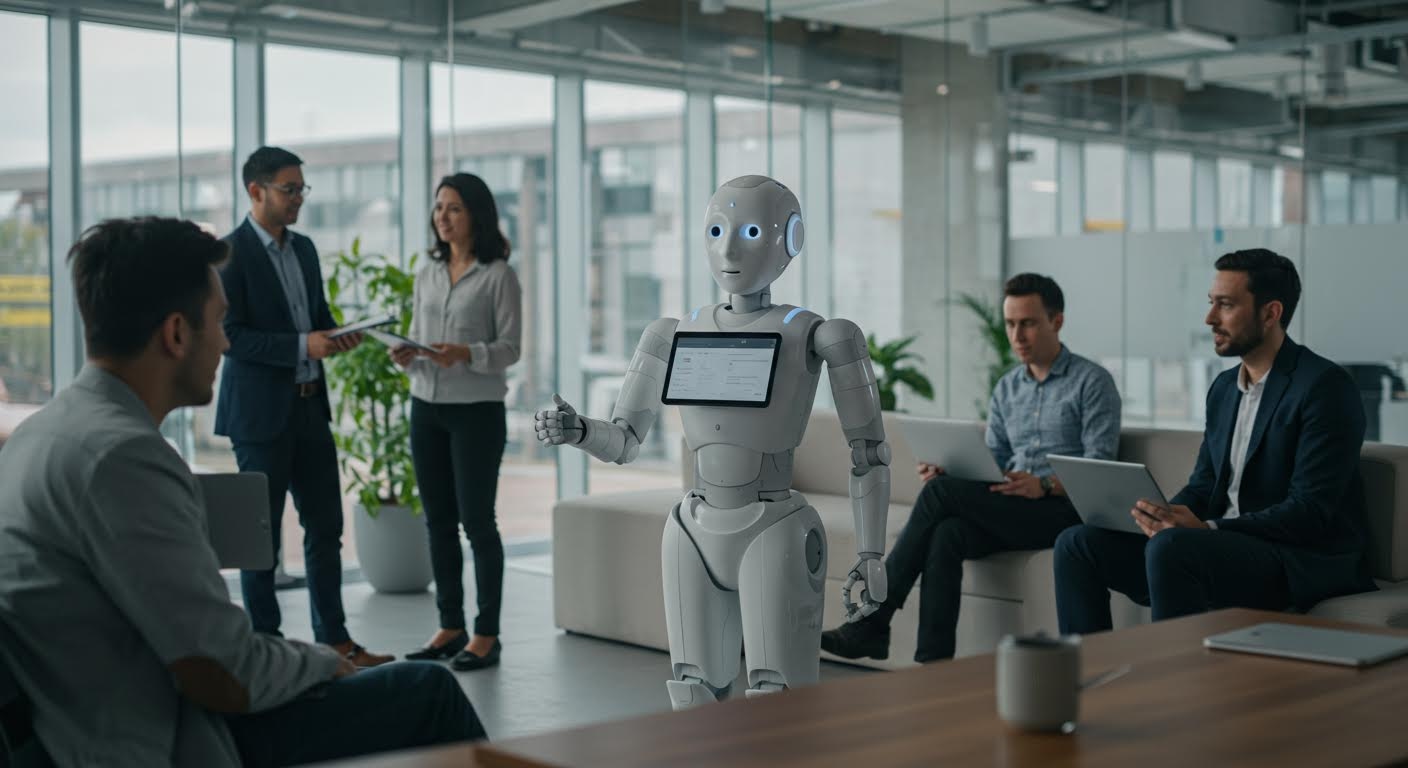
For decades, robots were stuck on factory floors, doing the same repetitive tasks day after day. But that's changing fast. A new wave of AI-powered robots is breaking free from manufacturing constraints, showing up in hospitals, hotels, offices, and even homes—with the ability to navigate messy, unpredictable environments and interact with humans in ways we've never seen before.
How AI Is Revolutionizing Robotics
The secret behind this robotic revolution? Massive breakthroughs in artificial intelligence. Today's robots use computer vision to see and understand cluttered spaces just like humans do. They can process spoken commands through natural language processing and actually get smarter over time thanks to machine learning.
But here's what's really game-changing: these AI systems are working together. Modern robots can process what they see, understand what you're telling them, and make complex decisions—all while learning from every interaction.
Healthcare Gets a Robotic Makeover
Healthcare is where AI-powered robots are making some of their biggest impacts. Surgical robots now perform incredibly complex procedures with precision that surpasses human capabilities alone. They analyze real-time medical imaging and give surgeons enhanced visualization with perfectly steady movements.
In nursing homes and assisted living facilities, companion robots are keeping elderly residents company while monitoring their health. These robots can hold conversations, remind patients about medications, and instantly alert staff during emergencies.
Meanwhile, hospital logistics robots are quietly revolutionizing behind-the-scenes operations. They're delivering medications, transporting equipment, and managing supplies throughout medical facilities—freeing up nursing staff to focus on patient care.
The Service Industry's Robot Revolution
Hotels are rolling out robots for everything from check-in to room service. These smart machines can ride elevators, chat with guests in multiple languages, and handle routine requests—letting human staff tackle more complex guest needs.
Retail stores now use robots to track inventory, clean floors, and help customers find products. Advanced systems can restock shelves, spot spills or safety hazards, and even detect potential security threats.
The restaurant industry is embracing robots that prepare food, take orders, and deliver meals. This technology is proving especially valuable as businesses struggle with labor shortages while trying to maintain consistent service quality.
Logistics and Delivery Get an Upgrade
Warehouse operations have been completely transformed by AI-powered robots that can sort and pick diverse products with incredible efficiency. These machines work right alongside human employees, handling the heavy lifting while people manage quality control and handle exceptions.
Delivery robots are becoming a common sight on sidewalks and in buildings, navigating busy urban environments to bring packages, groceries, and takeout orders directly to customers. They use sophisticated mapping technology to avoid obstacles and operate safely around pedestrians.
Drone delivery is expanding the possibilities even further, especially in areas where traditional delivery is challenging. AI helps these flying robots make split-second routing decisions and adapt to changing weather and airspace conditions.
Humanoid Robots Enter the Workplace
Perhaps the most exciting development is the emergence of general-purpose humanoid robots. Unlike specialized machines built for one specific job, these robots are designed to work in spaces built for humans, using the same tools and equipment we do.
Early workplace trials are happening in offices, retail stores, and warehouses, where humanoid robots are handling everything from data entry to moving objects around. Their human-like design means they can climb stairs, operate standard equipment, and work in existing spaces without requiring costly modifications.
Of course, this creates new challenges. Workers need to learn how to collaborate with artificial colleagues, and companies must figure out how to manage teams that include both humans and robots.
Investment and Market Growth Explode
The robotics industry is experiencing explosive growth, with venture capital and corporate investment pouring into AI-robotics startups. Industry experts predict the service robotics market could be worth hundreds of billions of dollars within the next decade.
The competitive landscape includes established tech giants expanding into robotics, specialized robotics companies, and innovative startups focused on specific applications. Companies worldwide are racing to develop more capable and affordable robotic solutions.
Innovation is happening globally, with major developments in North America, Asia, and Europe. Different regions are focusing on various applications based on local market needs, regulations, and technological expertise.
What This Means for Jobs and Workers
The rise of AI-powered robots is reshaping employment across industries. While some jobs are being automated, many roles are being enhanced rather than eliminated. Robots handle routine tasks while humans focus on complex decision-making and personal interactions.
New job categories are emerging around robot maintenance, supervision, and programming. These positions require different skills, creating demand for retraining programs that prepare workers for human-robot collaborative environments.
Governments and organizations are having intense discussions about automation's societal impact, exploring ways to manage the transition to more automated workplaces while protecting worker interests.
Learning to Work with Robot Colleagues
Collaborative robots, or "cobots," represent a balanced approach between full automation and traditional human work. These systems are specifically designed to work safely alongside people, combining robotic precision with human creativity and adaptability.
Success depends on smart task allocation. Robots excel at repetitive, physically demanding, or precision-heavy work, while humans remain better at complex problem-solving, emotional intelligence, and creative thinking.
Safety protocols and interaction standards are being developed to ensure smooth collaboration. Worker acceptance relies heavily on building trust and helping people understand what robots can and can't do in shared work environments.
Challenges and What's Next
Despite impressive progress, AI-powered robots still struggle with things humans find easy—like handling unexpected objects or navigating complex social situations. Ongoing research focuses on improving adaptability and common-sense reasoning.
Regulatory frameworks are scrambling to keep up with robots operating in public spaces and interacting with consumers. Questions about liability, privacy, and safety standards need answers as robotic deployment accelerates.
Ethical concerns include job displacement worries, data privacy issues, and questions about how much autonomy AI systems should have. These debates will significantly influence how robotic technology develops and deploys in the future.
Looking ahead, the next wave of robotic adoption will likely focus on making human-robot interaction more natural, reducing costs, and expanding into new applications. As AI capabilities keep advancing, we can expect robots to become as common in our daily lives as smartphones are today.