AI-Powered Flying Drones: The Future of Autonomous Aerial Technology
The Dawn of Intelligent Flight
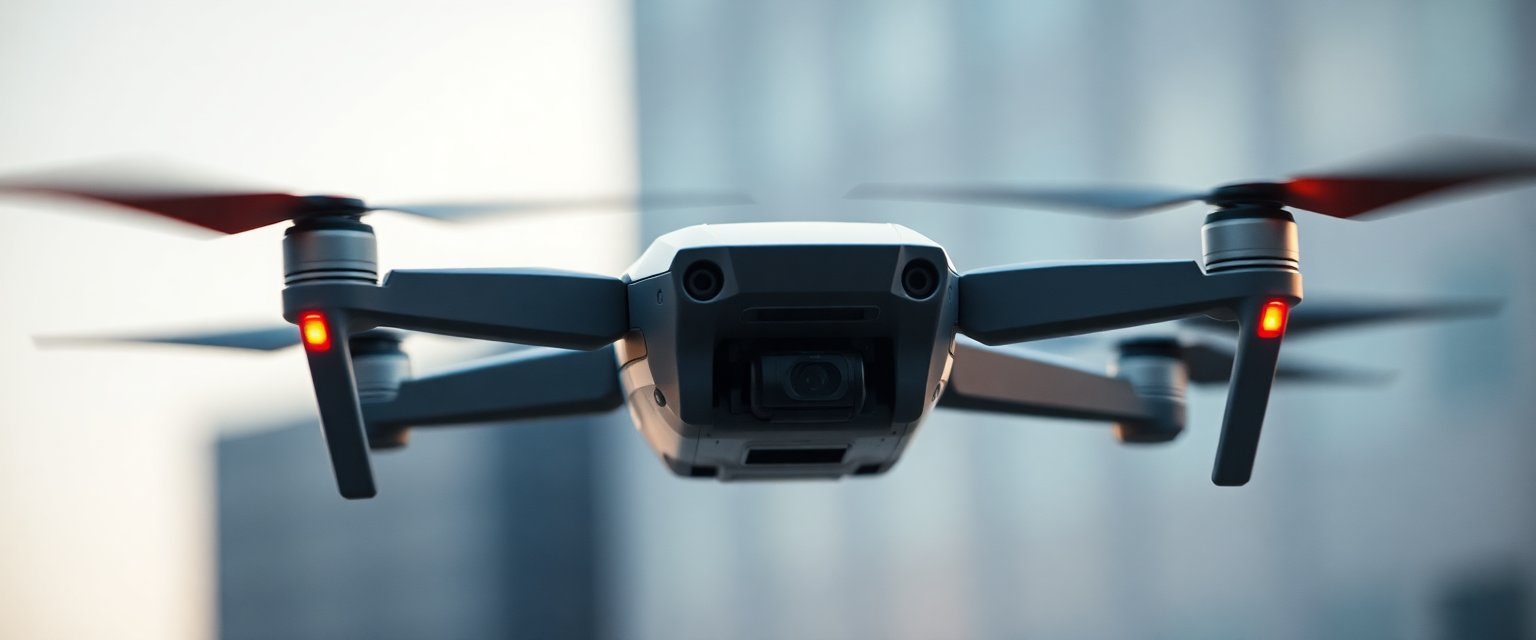
AI-powered flying drones mark a revolutionary leap from basic remote-controlled aircraft to sophisticated, thinking machines that navigate the skies independently. These intelligent unmanned aerial vehicles (UAVs) combine cutting-edge artificial intelligence with advanced sensors to operate without constant human control, ushering in a new age of aviation technology.
The AI drone market exploded throughout 2024, fueled by surging demand across commercial, industrial, and emergency sectors. While traditional drones need pilots glued to controllers, AI-powered versions process live environmental data, adapt to changing conditions, and execute complex missions with minimal human babysitting.
What sets these smart drones apart? They plan their own flight paths, dodge obstacles in real-time, adapt missions on the fly, and can operate beyond visual line of sight (BVLOS) when regulations permit.
The Brain Behind the Flight
The magic happens through sophisticated machine learning algorithms that power real-time navigation and split-second decision-making. These systems crunch massive amounts of sensor data to plot dynamic flight paths, react to unexpected obstacles, and continuously optimize mission parameters.
Computer vision acts as the drone's eyes, using advanced image processing and pattern recognition to spot obstacles, identify safe landing zones, and locate mission targets. Deep learning models trained on vast databases of aerial imagery make these visual systems incredibly sharp and reliable.
Sensor fusion technology creates the complete picture by merging data from GPS, LiDAR, cameras, and inertial measurement units (IMUs). This multi-sensor approach delivers redundancy and accuracy that no single sensor could match alone.
Edge computing power lets these drones run complex AI algorithms locally, cutting response times and maintaining performance even when communication drops out. This distributed processing is crucial for life-or-death situations like collision avoidance and emergency response.
Real-World Applications Transforming Industries
Delivery giants are rolling out AI-powered drones for autonomous last-mile delivery. These applications demand sophisticated route optimization, precise landing zone identification, and smart package handling that goes way beyond basic drone capabilities.
Infrastructure inspection has become a killer app, with autonomous drones automatically monitoring power lines, pipelines, bridges, and critical infrastructure. AI algorithms spot potential maintenance issues, structural problems, and safety hazards while generating detailed inspection reports.
Agriculture is embracing precision farming through AI-enabled drones that autonomously monitor crops, detect pests, and execute targeted spraying operations. These systems analyze crop health, optimize resource use, and reduce environmental impact through precise fertilizer and pesticide application.
Emergency responders deploy AI-powered drones for search and rescue missions requiring minimal human intervention. These systems operate in dangerous conditions, identify survivors using thermal imaging and pattern recognition, and coordinate with ground teams to maximize rescue effectiveness.
Navigating the Regulatory Maze
The Federal Aviation Administration (FAA) has rolled out comprehensive regulations for Beyond Visual Line of Sight (BVLOS) operations—essential for most AI drone applications. These rules demand extensive safety demonstrations, operational risk assessments, and ongoing compliance monitoring.
Getting certified for autonomous flight systems requires rigorous testing that validates AI decision-making algorithms, fail-safe mechanisms, and integration with existing air traffic systems. The certification process involves extensive documentation of training data, algorithm performance, and safety validation procedures.
International efforts are underway to harmonize regulations across borders, making global deployment of AI drone technology smoother. These initiatives bring together aviation authorities, tech developers, and industry players.
Data privacy and security for AI operations present ongoing headaches, especially for surveillance, delivery, or infrastructure monitoring applications. Regulations must balance operational benefits with privacy protection and cybersecurity needs.
Industry Leaders and Innovation Breakthroughs
Major manufacturers are pouring resources into AI drone technology, with companies like DJI, Skydio, and Autel spearheading innovation in autonomous flight capabilities. These industry giants are developing increasingly sophisticated AI algorithms, better sensor integration, and enhanced reliability.
Recent product launches showcase major technical breakthroughs in obstacle avoidance precision, battery efficiency, and payload capacity. These advances enable new applications and expand what autonomous drones can accomplish.
Investment trends show strong venture capital and corporate funding flowing to drone startups focused on AI integration, specialized applications, and supporting technologies. The startup ecosystem is particularly hot in swarm intelligence, specialized sensors, and industry-specific solutions.
Performance benchmarks keep improving as AI capabilities advance, with leading systems demonstrating 30+ minute flight times, obstacle detection ranges of several hundred meters, and operational reliability rates above 95% in controlled environments.
Safety First: Overcoming Integration Challenges
Fail-safe mechanisms and backup systems are absolutely critical for AI-powered drones, ensuring safe operation even when primary systems fail. These typically include multiple independent flight computers, redundant sensors, and automated emergency landing capabilities.
Integrating with existing air traffic management systems presents major technical and regulatory hurdles. AI drones must communicate their intentions, respond to air traffic control, and maintain safe separation from manned aircraft in increasingly crowded airspace.
Cybersecurity vulnerabilities are growing concerns as drones become more connected and dependent on cloud-based AI services. Protection strategies include encrypted communications, secure boot processes, and robust authentication to prevent unauthorized access.
Public acceptance remains crucial for widespread deployment, with concerns about privacy, safety, and noise influencing regulatory decisions and operational restrictions. Education and transparent communication about safety measures are essential for building public trust.
What's Next: The Future of Intelligent Flight
Advanced AI developments on the horizon include better natural language processing for mission planning, enhanced predictive maintenance, and more sophisticated decision-making algorithms that can handle complex, multi-objective scenarios.
Swarm intelligence and coordinated operations represent an exciting frontier, with multiple AI drones working together on tasks impossible for individual aircraft. Applications include large-area surveillance, coordinated deliveries, and complex inspection missions.
Integration with smart city infrastructure could give AI drones access to real-time traffic data, weather information, and emergency response systems. This connectivity would dramatically enhance operational effectiveness and safety in urban environments.
Industry experts predict widespread commercial deployment of fully autonomous drone operations within 3-5 years, depending on continued regulatory progress, technological advancement, and public acceptance. Timeline varies significantly by application and region based on local regulations and market conditions.