AI Language Learning Robots: Revolutionizing Personal Language Education
The Dawn of AI-Powered Language Tutors
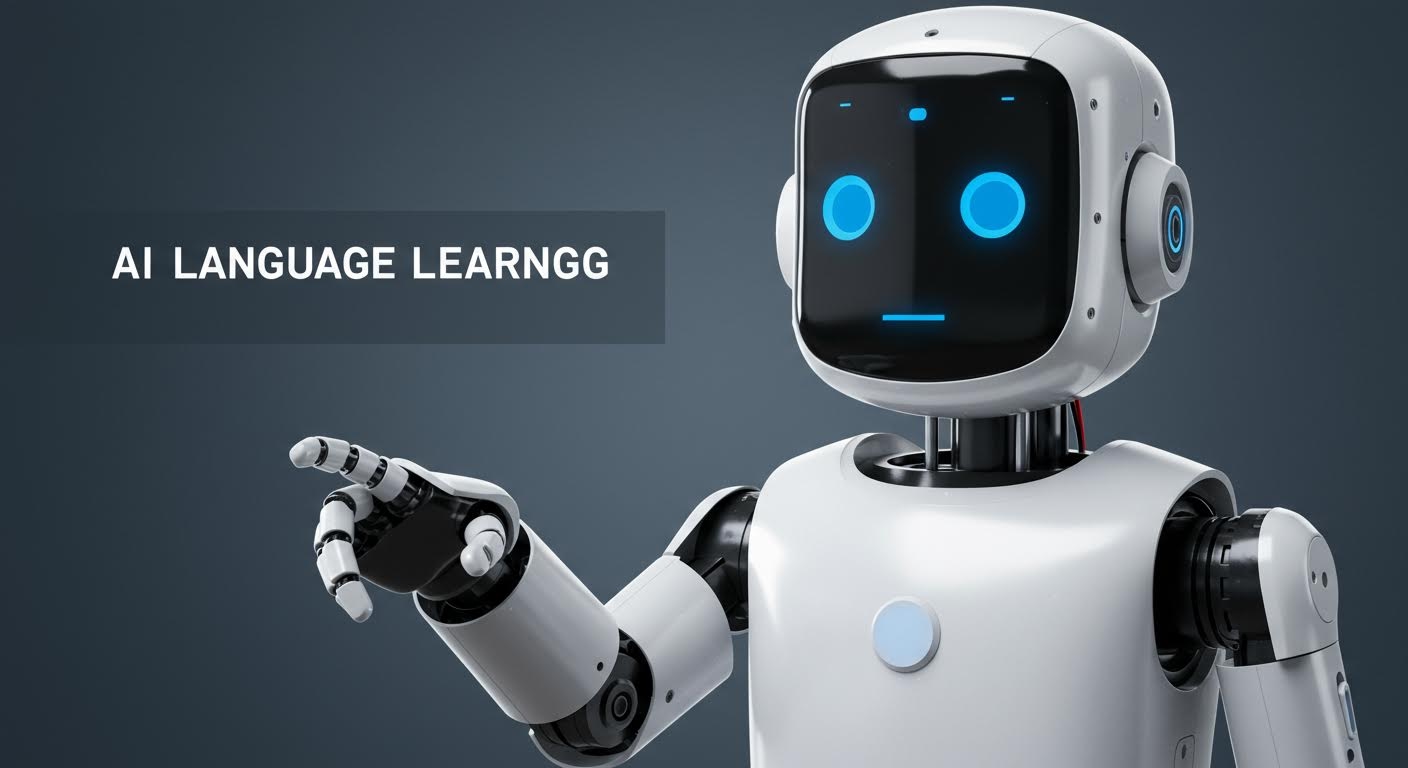
Language learning is undergoing a revolutionary transformation as artificial intelligence merges with robotics to create sophisticated educational companions. While traditional language apps and software have dominated the market, AI language learning robots represent a quantum leap forward—offering physical presence, real-time interaction, and unmatched personalization.
These robotic tutors blend cutting-edge natural language processing, advanced speech recognition, and adaptive algorithms to deliver immersive educational experiences previously thought impossible. Unlike static apps, these robots engage students through multiple senses, providing contextual feedback and adapting their teaching methods instantly based on how each person learns best.
The Technology Powering Smart Language Robots
Recent breakthroughs in AI language learning robots emerge from several converging technologies. Modern speech recognition systems now achieve near-human accuracy, enabling robots to understand different accents, pronunciation levels, and speaking speeds with remarkable precision.
Integration of large language models has transformed how these robots provide feedback and hold conversations. They can now grasp context, cultural nuances, and subtle linguistic patterns, offering more sophisticated corrections and explanations than ever before.
Computer vision capabilities let robots incorporate visual learning elements, recognizing gestures, facial expressions, and environmental context to enhance the experience. This multi-sensory approach combines visual, auditory, and interactive elements to create comprehensive learning environments that work for different learning styles simultaneously.
How AI Robots Adapt to Each Student's Learning Style
The real power of AI language learning robots lies in their ability to continuously assess and adapt to each student's unique profile. Through real-time analysis of speech patterns, response times, and engagement levels, these robots identify optimal learning approaches and adjust their teaching accordingly.
Advanced algorithms enable dynamic curriculum adjustment, automatically scaling difficulty based on student performance and comprehension. This ensures learners stay appropriately challenged without becoming overwhelmed, maintaining the perfect pace for steady progress.
Conversational practice represents perhaps the biggest advantage of robotic tutors. These systems engage in natural, contextually appropriate conversations while providing instant feedback on pronunciation, grammar, and vocabulary. The robots' infinite patience and 24/7 availability create a judgment-free environment where students can practice without embarrassment.
Real-World Results from Early Adopters
Educational institutions worldwide are integrating AI language learning robots into their curricula with promising early results. Universities and language schools are running pilot programs to compare robotic tutors against traditional teaching methods.
Language learning companies increasingly incorporate robotic assistants into their offerings, recognizing the competitive edge these technologies provide. Early metrics show significant improvements in student engagement, retention rates, and learning outcomes when robotic tutors supplement traditional instruction.
Implementation does face challenges, particularly around cost and scalability. The initial investment for robotic tutors remains substantial, though advancing technology continues driving costs down, making broader adoption increasingly realistic.
Privacy and Security in the Age of AI Tutors
As AI language learning robots collect extensive data about student interactions, speech patterns, and learning behaviors, privacy protection has become crucial. Educational institutions must implement strong security protocols to protect sensitive student information while maintaining the personalization that makes these systems effective.
Parental consent procedures and institutional policies are evolving to address unique challenges posed by AI-powered educational tech. Balancing sufficient data collection for personalization with protecting student privacy requires careful consideration and transparent policies.
Security measures must account for continuous robot-student interactions, implementing encryption, secure storage, and limited access protocols to prevent unauthorized use of educational data.
What's Next for AI Language Learning Robots
The future of AI language learning robots points toward increasingly sophisticated conversational abilities and seamless classroom integration. Predicted improvements in natural language processing and robotics suggest future versions will offer even more nuanced understanding and human-like interactions.
Market adoption timelines indicate gradual integration over the next five to ten years, starting with specialized language learning centers and expanding to broader educational institutions as costs decrease and effectiveness is proven.
The impact on traditional language education will likely be complementary rather than replacement-based, with robotic tutors enhancing human instruction through personalized practice, continuous assessment, and adaptive curriculum delivery.
As these technologies mature, AI language learning robots are positioned to democratize access to high-quality language education, providing personalized tutoring experiences regardless of location or economic constraints.