A Dead Falcon 9 Stage Just Hit the Moon at 5,400 mph, and Telescopes Saw the Plume
A Dead Falcon 9 Stage Just Hit the Moon at 5,400 mph, and Telescopes Saw the Plume
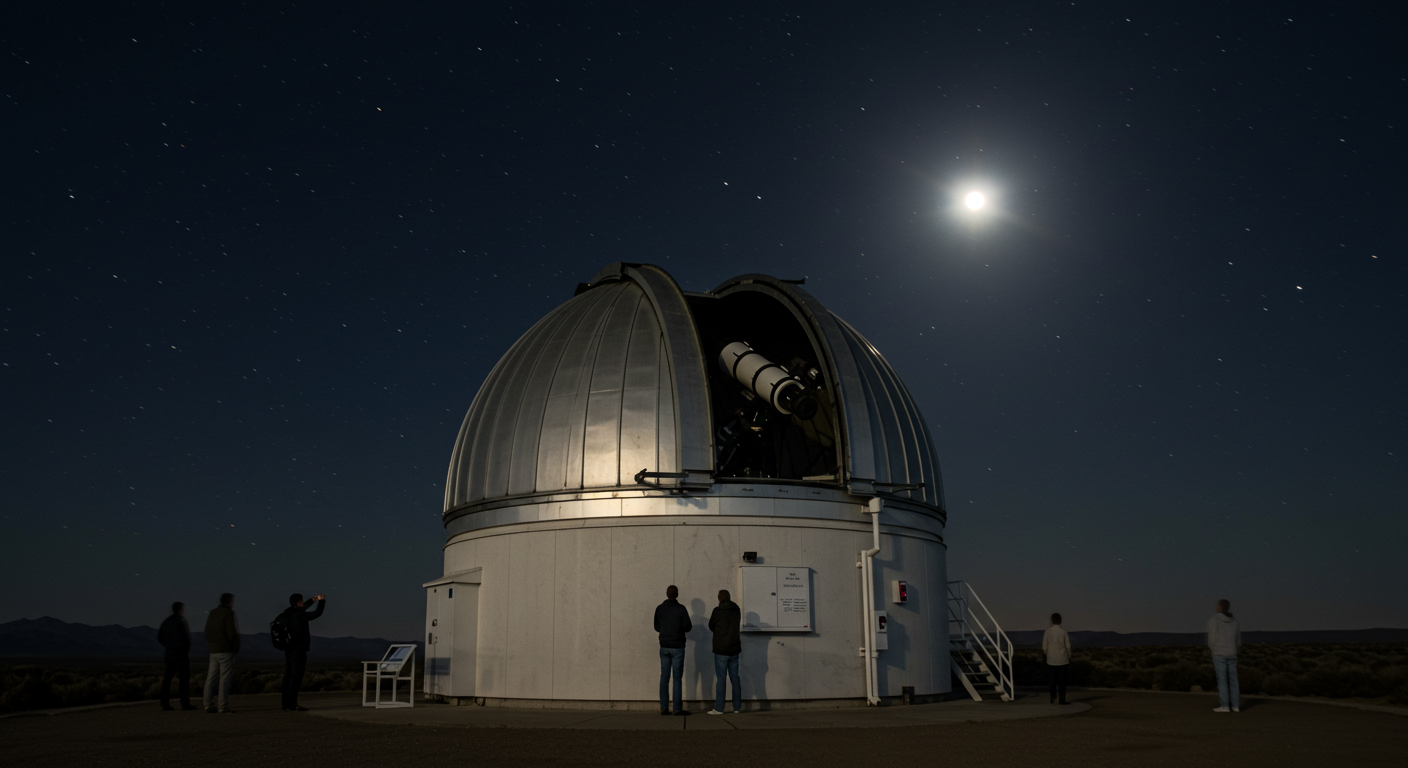
On August 5, 2026, a spent SpaceX Falcon 9 upper stage struck the Moon near Einstein Crater, ending a years-long drift through space with a high-speed impact on the lunar surface. The stage originally launched on January 15, 2025, carrying two lunar landers, before becoming derelict debris tumbling through cislunar space. Astronomers tracked its trajectory in advance, and telescopes on Earth captured the resulting plume as it happened.
Rather than framing this as an alarming incident, scientists and agencies involved have largely described it as a rare and valuable opportunity: a chance to study how high-velocity objects interact with the lunar surface under real, observable conditions. Multiple sources are clear that the event posed no danger to Earth.
The Impact, By the Numbers
Researchers estimate the stage struck the Moon at roughly 5,400 miles per hour, or about 8,700 kilometers per hour (2.43 kilometers per second). The rocket body itself is estimated to have had a mass of around 8,800 pounds, or 4,000 kilograms, at the time of impact.
Based on pre-impact modeling, scientists predicted a crater in the range of 18 to 30 meters, or roughly 65 to 90 feet, in diameter. Estimates of the impact's energy, sometimes expressed as a TNT equivalent, vary somewhat between sources. Much of this pre-impact modeling draws on a preprint study that has circulated among researchers and outlets covering the event, though it has not yet completed formal peer review, so these specific figures should be understood as estimates rather than finalized findings.
How Scientists Watched It Happen
The European Southern Observatory's Very Large Telescope detected sodium and lithium spectral lines in the debris plume, persisting for roughly 5 to 10 minutes after impact. This spectroscopic signature is one of the clearest confirmations that the predicted collision actually occurred as expected.
South Korea's space agency, KASA, captured before-and-after imagery of the impact site via its Danuri lunar orbiter, offering visual confirmation to accompany the spectral data. NASA had separately announced its intent to attempt observation of the event, and astronomer Bill Gray played a notable role in the pre-impact tracking effort that allowed observatories worldwide to prepare.
It's worth distinguishing between two types of information circulating around this event: pre-impact predictions, largely drawn from the aforementioned preprint modeling, and confirmed post-impact observations from telescopes and orbital imagery. Many observers note that early coverage sometimes blended these together, so it's worth being cautious about treating every early figure as a finalized, confirmed measurement.
Not the First Time
This is not the first known instance of a derelict rocket stage striking the Moon. In March 2022, a rocket body impacted the lunar surface near Hertzsprung crater, an event later imaged by NASA's Lunar Reconnaissance Orbiter. That earlier impact, and the debate that surrounded identifying which mission's hardware was actually responsible, is part of why this new event is considered only the second known unintentional rocket impact on the Moon.
The two events also differed in how they were tracked and confirmed. The 2022 impact was identified largely after the fact, through orbital imaging that located a new crater. This time, astronomers were able to track the Falcon 9 stage's trajectory in advance, allowing observatories to prepare and observe the moment of impact directly, rather than reconstructing it after the fact.
Why It Matters Beyond the Crater
Beyond the immediate scientific interest, this event has renewed attention on a broader and more persistent concern: the accumulation of space debris in and around lunar orbit. As more missions, both government and commercial, target the Moon, discarded rocket stages and other hardware are increasingly likely to end up on trajectories that eventually intersect the lunar surface.
A recurring theme among those following this story is the question of whether clearer deorbit protocols or disposal standards should apply to lunar-bound missions, much as they already exist for objects in Earth orbit. Some observers have also raised the question of how existing space law, largely developed with Earth orbit in mind, might need to be reconsidered as activity around the Moon increases. These remain open questions rather than settled conclusions, and represent early-stage discussion rather than firm regulatory proposals.
There are also longer-term implications for future lunar infrastructure and crewed missions, as more debris on the surface and in orbit could eventually factor into mission planning and safety considerations. For now, however, this particular impact is being treated by scientists as a contained, well-tracked event: a genuine scientific opportunity that, once again, posed no danger to Earth.