The Fed Raises Rates to 3.75%-4%: What It Means for Dollarized Ecuador
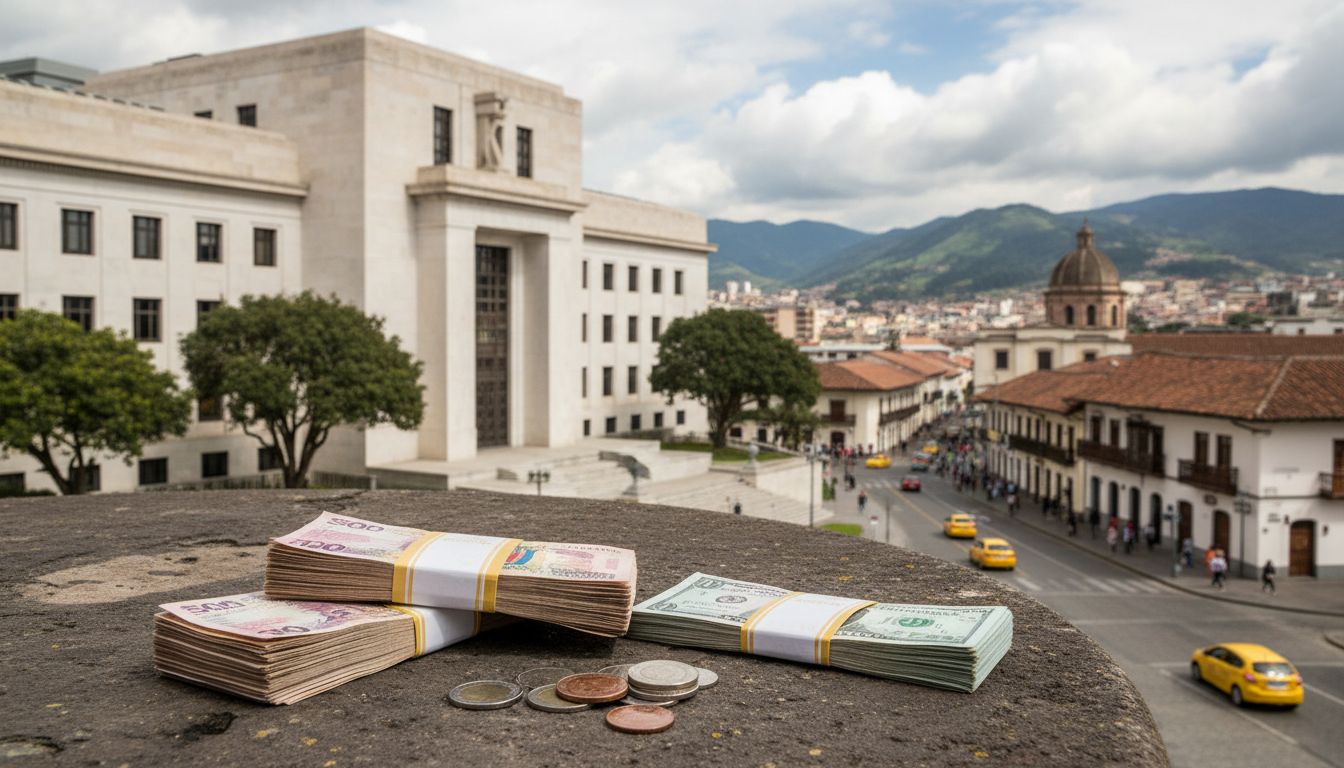
The Fed Raises Rates to 3.75%-4% for the First Time Since 2023, and Dollarized Ecuador Feels It
The Federal Open Market Committee voted unanimously, 12-0, on September 16, 2026, to raise the federal funds rate by a quarter percentage point, setting a new target range of 3.75% to 4%. It is the first rate increase since July 2023, ending a lengthy pause in the Fed's tightening cycle. The central bank pointed to solid economic activity, elevated inflation, and its continued commitment to bringing inflation back to its 2% goal.
Fed Raises Rates to 3.75%-4% in First Hike Since 2023
The move ends more than two years without a rate increase and signals that the Fed views current inflation levels as too persistent to leave policy unchanged. Officials described economic activity as expanding at a solid pace, even as price pressures remain elevated and the labor market shows only modest signs of cooling.
Why the Fed Moved: Inflation, Oil, and a Resilient Labor Market
Much of the elevated inflation has been linked to rising oil prices connected to tensions in the Middle East. According to the Fed's updated projections, known as the dot plot, 16 of 18 officials expect at least one more rate hike before the year is out. Updated Personal Consumption Expenditures inflation projections stand at 3.7% for headline inflation and 3.4% for core inflation this year, with officials not expecting inflation to return to the 2% target until 2029. At the same time, the unemployment outlook was lowered to 4.1%, suggesting the labor market remains comparatively strong.
Immediate Ripple Effects on US Borrowing Costs
The rate decision had swift consequences for consumer borrowing. The 30-year fixed mortgage rate rose to 7.19% in the aftermath of the announcement, according to Mortgage News Daily figures cited in financial reporting. Analysts have described the Fed's posture as reflecting a kind of inflation-fighting resolve reminiscent of the Volcker era, though such characterizations remain analyst commentary rather than official Fed language. Broader consumer and business borrowing costs are expected to climb as the higher benchmark rate works its way through the financial system.
Dollarization 101: Why Ecuador Feels the Fed's Decisions Directly
Ecuador has used the US dollar as its official currency since 2000, a policy choice that forfeited the country's ability to set independent monetary policy. Without a domestic central bank lever to raise or lower interest rates in response to local conditions, Ecuador's financial system absorbs the effects of US monetary policy directly and immediately. When the Fed raises rates, borrowing costs in Ecuador tend to rise in tandem, with no domestic mechanism available to cushion the impact.
Remittances to Ecuador Hit Record Highs Despite Headwinds
Even as US rates climb, remittances flowing into Ecuador have continued to set records. Ecuador received a record $7.73 billion in remittances in 2025, an increase of 18.2% over the previous year and equivalent to roughly 6% of GDP, according to Banco Central del Ecuador. Of that total, 77.6% originated from the United States. The trend continued into 2026, with first-quarter remittances rising 7.7% year-over-year to $1.86 billion. Regionally, Latin America and the Caribbean received $173.7 billion in remittances in 2025, up 7.3% from the prior year, underscoring how significant these flows have become across the region.
The Remittance Paradox: Anti-Immigration Policy and Labor Scarcity
Many observers note an apparent paradox: tightening US immigration enforcement has coincided with continued strength in remittance flows rather than the decline some might expect. One explanation offered by analysts is that labor scarcity effects in certain US industries, combined with a still-resilient broader labor market, have supported wage conditions for immigrant workers who continue sending money home. Notably, the Mexican labor force in the United States fell by an estimated 730,000 workers in the first four months of 2026 compared with the same period a year earlier, yet remittances across the region broadly held up. This dynamic remains an area of ongoing analysis rather than a fully settled explanation.
Open Questions: Is the Remittance Boom Sustainable?
A recurring concern among analysts is whether the remittance boom can be sustained if the US labor market weakens or if the cost of living for immigrant workers rises to a point where sending money home becomes harder. Some sources have also raised hedged, unresolved questions about whether a small share of low-value transactions could be linked to money laundering, though this possibility is described in the underlying analysis as plausible but unproven, and no regulatory findings support treating it as an established fact. Similarly, there is speculation, not confirmed, that a portion of remittances may be used to cover migration-related expenses, including payments to smugglers. Finally, several analysts point to a deceleration in year-over-year growth rates compared with the extraordinary spikes seen in prior years as a signal worth watching, even as overall remittance levels remain at historic highs.