Rubio Honored in Quito as Ecuador Named Washington's Top Regional Ally
Rubio Honored in Quito as Ecuador Named Washington's Top Regional Ally
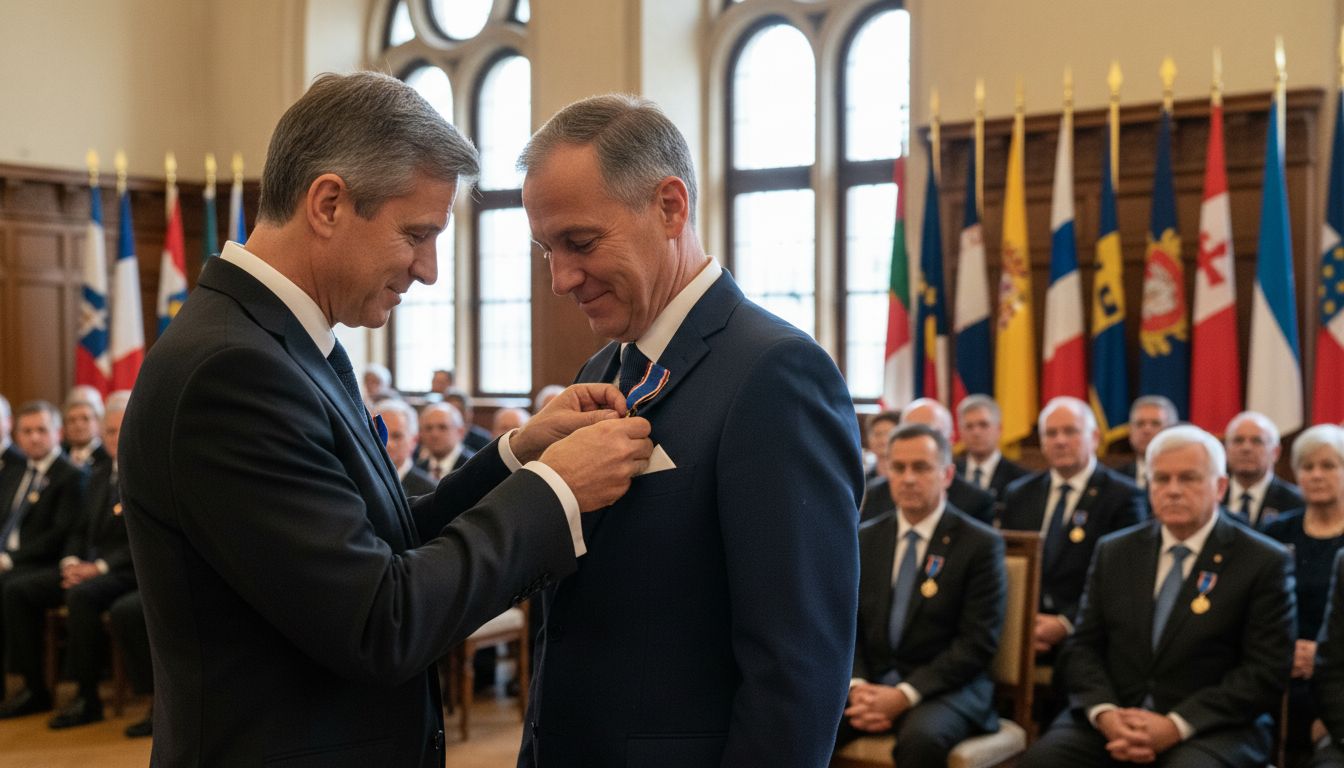
US Secretary of State Marco Rubio traveled to Quito on September 9, 2026, as part of a regional tour that also included stops in Colombia and Peru. During the visit, Ecuadorian President Daniel Noboa awarded Rubio the country's Orden Nacional al Mérito, in its Gran Cruz grade, in a ceremonial gesture underscoring the close ties between the two governments. Rubio, for his part, publicly described Ecuador as a “loyal, active, and determined ally” and characterized it as the region's leading security partner for Washington. The visit marks Rubio's second official trip to Ecuador in roughly a year, following a similar visit in September 2025.
Rubio Visits Quito, Honored by Noboa Amid Deepening Security Ties
The Quito stop was one leg of a broader regional tour, reflecting what officials on both sides described as a deepening strategic alliance. Ecuadorian and international outlets covering the event highlighted the ceremonial recognition alongside a series of announced security-cooperation measures, though many of the specific figures and commitments discussed below were communicated primarily through Rubio's public remarks and official statements rather than independently verified by the outlets reporting on them.
New Terrorist Designation: Los Tiguerones Joins Growing List
Among the most consequential announcements was the formal designation of the criminal group known as Los Tiguerones (also referenced in some reporting as Los Tiburones/Los Tiguerones) as a Specially Designated Global Terrorist organization. Unlike many of the other figures discussed during the visit, this designation is corroborated by primary US government sources, including statements from the State Department, the US Embassy in Quito, and a filing in the Federal Register. The designation follows earlier US actions against other Ecuadorian criminal organizations, Los Choneros and Los Lobos, which were similarly designated in prior years.
It is worth noting that a “terrorist” designation is a specific legal and political classification made by the US government, distinct from a standard criminal categorization. While the designation itself is documented through official channels, characterizations of the group's activities and threat level beyond the formal designation rest largely on statements from US and Ecuadorian officials.
Funding and Equipment Commitments Announced
Rubio announced that the United States intends to request an additional $45 million from Congress to support anti-crime and counter-narcotics cooperation in Ecuador and the wider region. A separate $10 million initiative was also announced, aimed at combating illegal mining that officials link to criminal financing networks. On the equipment side, Rubio said the US would transfer a 110-foot Coast Guard vessel along with five additional interceptor boats to Ecuador, bringing the total number of vessels transferred over the past year to twelve.
These figures were presented publicly by Rubio and reported by Ecuadorian and international press. As with many announcements tied to diplomatic visits, the specific dollar amounts and equipment transfer numbers should be understood as stated commitments rather than confirmed, finalized policy outcomes until further corroborated by US congressional or State Department documentation.
Southern Command Operations and Sanctions Cited
Rubio also referenced military operations conducted by US Southern Command since mid-August 2026, stating that six boats allegedly involved in supplying fuel for cocaine trafficking had been destroyed. Additionally, officials cited sanctions against 15 criminal or terrorist-linked entities and individuals, along with the blocking of 10 fishing companies over alleged illegal activity.
Many observers note that these operational details, including the circumstances surrounding the destroyed vessels and the specific evidentiary basis for the sanctions, have been described primarily through official US government framing. A recurring consumer and public-interest concern in coverage of this event is the limited independent verification of casualty information, due-process considerations, and the precise legal basis for individual sanctions actions. These details remain best understood as officially stated rather than independently confirmed at this time.
Broader Regional Context: US-China Competition
Some outlets covering the visit placed it within a wider narrative of competition between the United States and China for influence in the region. This framing referenced a reported $47 million donation from China to Ecuador in connection with a separate visit by Noboa, as well as trade data from the first half of 2026 showing the United States and China as Ecuador's top two trading partners overall, with China reportedly leading in non-oil trade specifically.
This geopolitical framing appears as a secondary theme in coverage rather than the central focus of the Quito visit itself, and readers should note that such comparative narratives often reflect editorial interpretation as much as documented policy fact.